
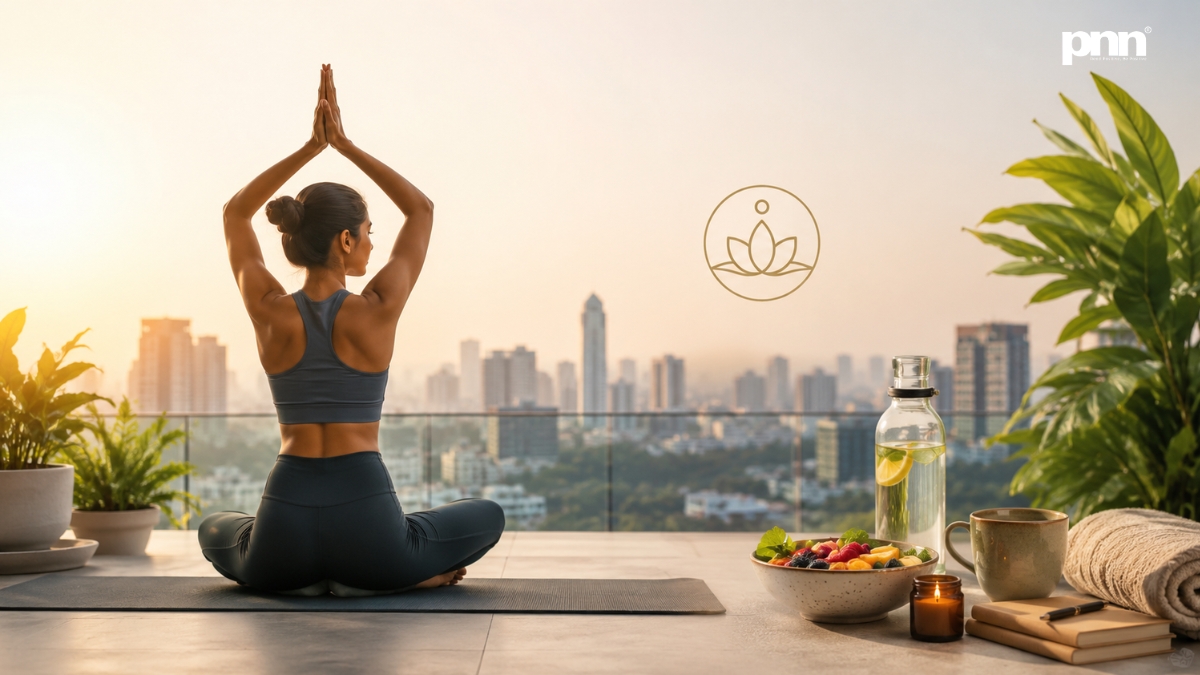
Mumbai (Maharashtra) [India], July 31: Ten years back, the idea of “wellness” in a middle-class Indian home felt pretty simple. Maybe someone had a jar of chyawanprash on the kitchen shelf, and grandma would fuss about turmeric milk at bedtime. Fast forward to now, and things look very different. That same family might own a Cult.fit subscription, drink cold-pressed juice every morning, run an air purifier all night, and swap daily Fitbit numbers on WhatsApp like it’s a competition. Wellness isn’t just what you do when you catch a cold—it’s how people eat, exercise, spend their money, even schedule their weekends.
From Treatment to Prevention
People used to think about health only when something went badly wrong—the “see a doctor, take your antibiotics, move on” routine. That mindset’s changing. More folks believe you actually need to manage your health, not just fix it when it breaks. Take a 34-year-old marketing manager in Pune. She isn’t waiting around for a high cholesterol warning—she’s already counting her macros, updating her food log, doing intermittent fasting. Her mother would’ve just rolled her eyes at this a decade ago.
And it’s not just talk. The homegrown wellness industry has ballooned. Fitness, nutrition, therapy apps, personal care products—together, they now make up a market worth billions, and it’s not just the super-rich who are buying in. The urban middle class is the real engine here. For a lot of families, paying for a gym or a meal plan is just part of the monthly budget, right up there with the Wi-Fi bill.
The Gym Isn’t Just a Gym Anymore
Gyms are different too. Walk into a Cult.fit in Indore or an Anytime Fitness in Nagpur around 7pm and you’ll probably find a bunch of office workers, teachers, and shop owners fitting in a workout before dinner. Zumba and HIIT sessions have taken over from the old treadmill grind, partly because people want some socializing with their squats. Even yoga’s had a glow-up. Patanjali turned yoga and Ayurveda into everything from a lifestyle statement to a national cause, and high-end studios in Bengaluru or Gurugram charge serious money for “aerial yoga” or “sound bath” classes. The same people who once did a few surya namaskars for free at home now queue up for Sunday workshops.
Food as Identity, Not Just Fuel
What’s in the kitchen has changed too. Middle-class shoppers used to buy refined flour or vanaspati ghee without thinking. Now, they read labels for sugar content, check if the oil’s cold-pressed, and swap in millet flour because some Instagram nutritionist said it’s good for you. Food brands have caught up—there’s an entire range of “healthy” Indian sweets and millet-based snacks being sold, especially around festivals. At family dinners, you’ll hear someone say they’re skipping that extra biryani because they’re “watching their numbers.” That’s language you just didn’t hear in 2010.
Mental Health Steps Out of the Shadows
All this goes deeper than just body health. Mental health used to be a family secret. If you had anxiety, people called it “overthinking.” Therapy was for “serious” cases, not for you. Now, low-cost apps like Wysa make mental health support available to anyone with a smartphone. Tech and startup companies regularly offer counseling as part of work benefits. For a young professional in Hyderabad, saying you see a therapist for stress isn’t weird anymore—it’s expected, especially when everyone knows how draining city life can get.
Wellness as Status, and Its Costs
But let’s be honest—wellness has its show-off side too. A green smoothie on your Instagram story, a marathon photo getting likes at the office, or the occasional yoga retreat—sometimes, they’re less about feeling good and more about looking good to everyone else. Self-care has turned into a kind of status symbol, sometimes as much about social performance as actual health.
And, not everyone can join in. Gym memberships and therapy sessions are still out of reach for a lot of people in India. Right now, this “wellness revolution” mostly lives in big cities, among English-speaking upper-middle class families. So, despite all the buzz, it’s more a story of one slice of the country, not the whole thing.
A Lasting Shift, Not a Passing Trend
Still, something’s changed for good. Wellness isn’t just a trend waiting to be replaced by the next craze. Whether it’s the network of gyms, therapists, or health food options, the whole system feels pretty well-rooted in urban India now. There’s a generation growing up who see things like self-care and mental health as just part of life. Maybe it’s a dad in Lucknow who starts cycling after his father’s heart attack or a student in Kolkata who meditates before exams. Either way, wellness has moved from being an afterthought to becoming part of the main story. It’s not just what you do when things go wrong. It’s how a lot of people now choose to live.