 Divya Agarwal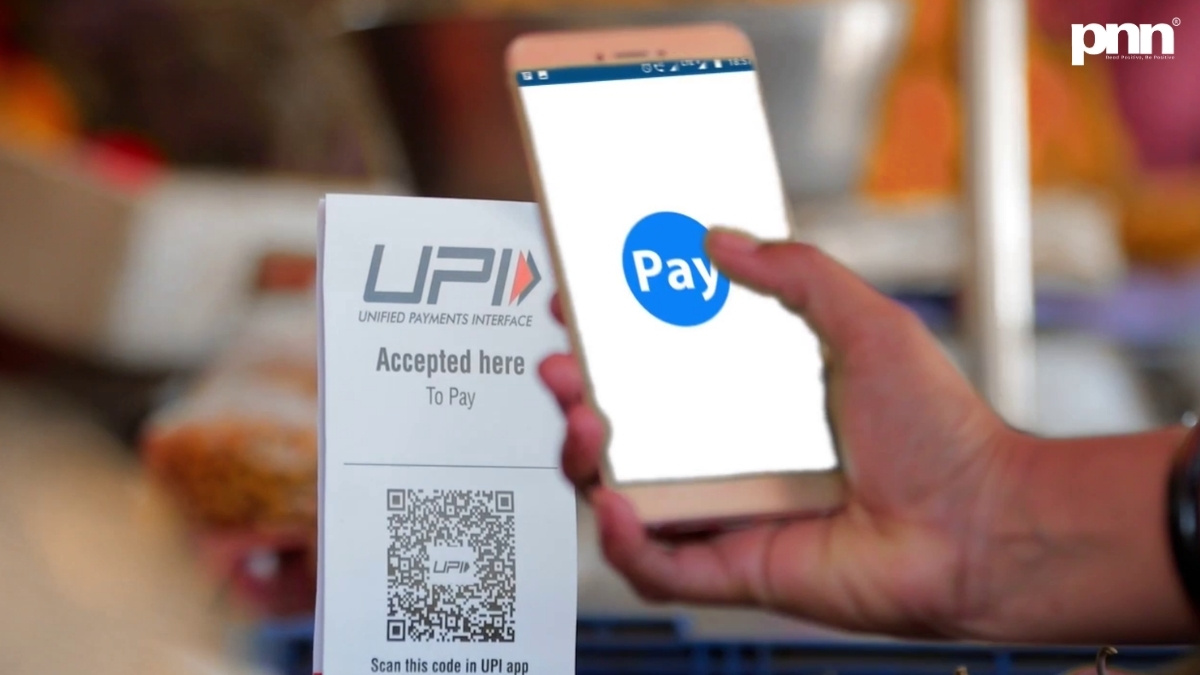
New Delhi [India], June 30: India’s Unified Payments Interface (UPI) has reached its tenth international market with its presence in Greece. The latest launch follows UPI’s continued growth in India, where it has now captured over three-fourths of all digital merchant payments by value in May, according to Reserve Bank of India (RBI) and National Payments Corporation of India (NPCI) data.
Commerce and Industry Minister Piyush Goyal announced the launch during his official visit to Athens, where he witnessed a live demonstration of UPI transactions at the headquarters of Eurobank. The rollout has been made possible through a collaboration between Eurobank and NPCI International Payments Limited (NIPL), the international arm of NPCI driving UPI’s overseas expansion.
The integration will enable eligible Indian users to make real-time digital payments at participating merchants in Greece using UPI-enabled applications, the government said. The initiative aims to simplify payments for Indian tourists and reduce reliance on traditional cross-border payment methods. Goyal was accompanied by Eurobank CEO Fokion Karavias and Fairfax Digital Services CEO Sanjay Tugnait during the demonstration.
In his address, Goyal said the growing international adoption of UPI reflects trust in India’s Digital Public Infrastructure (DPI) and strengthens economic cooperation with partner countries. The government has been actively promoting UPI as part of its digital diplomacy initiatives while pursuing international collaborations to improve payment connectivity for Indians abroad.
With Greece joining the network, UPI is now available in 10 international markets—Singapore, the United Arab Emirates, France, Mauritius, Nepal, Bhutan, Qatar, Sri Lanka, Cambodia and Greece. In 2024, UPI was launched at the Eiffel Tower in Paris, and earlier this year it became available at Galeries Lafayette in Nice through participating payment arrangements.
The overseas expansion comes alongside strong domestic growth in digital payments. According to RBI and NPCI data, digital merchant payments reached approximately ₹11.3 lakh crore in May 2026, up 21% year-on-year.
UPI remained the dominant payment method for merchant transactions. Person-to-merchant (P2M) payments rose 25.2% YoY to ₹8.7 lakh crore, accounting for 77.1% of the total digital merchant payment value, compared with around 74% a year earlier.
Other payment instruments recorded comparatively slower growth. Credit card transactions increased 6.6% YoY to ₹2.02 lakh crore, but their share of total digital merchant payments declined from nearly 19% to 17.9%. Meanwhile, debit card spending fell 4.3% to ₹35,200 crore.
The data highlights a continued shift in consumer payment preferences. More than ₹77 out of every ₹100 spent digitally with merchants in India was through UPI in May. Around ₹18 was spent using credit cards and about ₹3 using debit cards, with the remainder coming from other digital payment methods.
While UPI has achieved widespread adoption in India, its international acceptance remains relatively limited compared with global card networks. However, its expansion into new overseas markets is steadily increasing the number of destinations where Indian consumers can make payments using familiar UPI apps instead of relying on cash or international cards.
The launch in Greece marks another milestone in India’s global digital payments expansion, while also reinforcing UPI’s dominance in India’s rapidly growing digital payments ecosystem.