
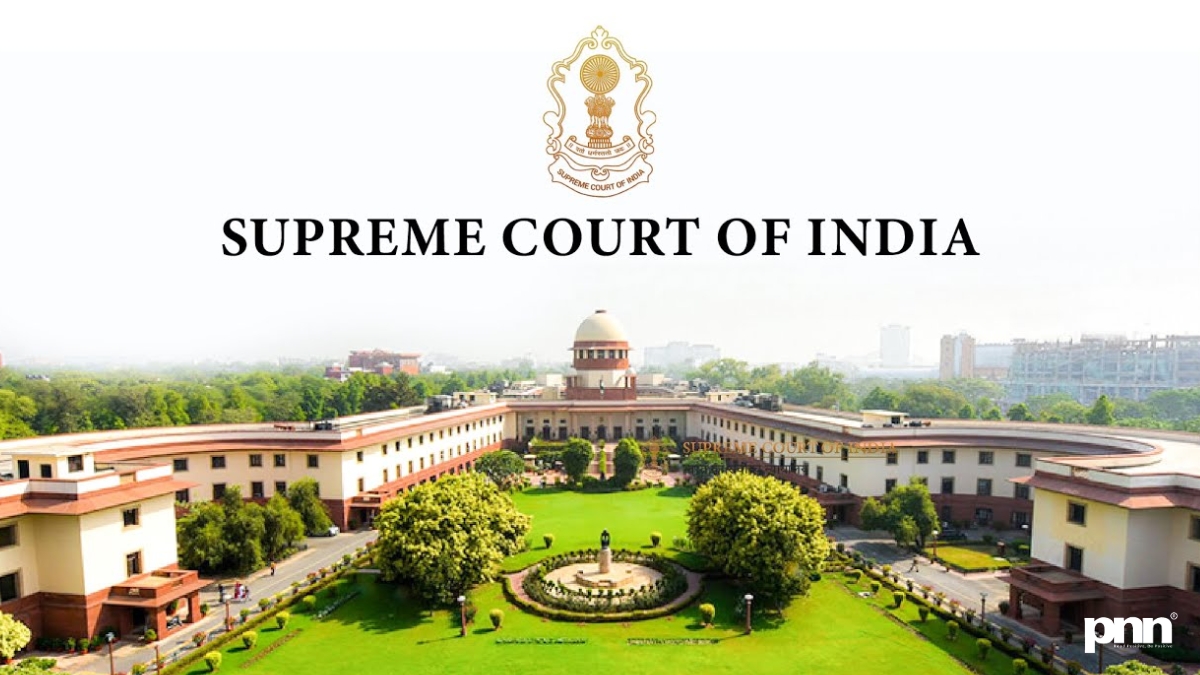
New Delhi [India], August 28: The Supreme Court has finally asked the blunt question: Can governors act like monarchs and stall democracy by sitting on Bills forever?
On Thursday, a Constitution Bench led by Chief Justice B.R. Gavai resumed hearings on the Presidential Reference that seeks clarity on the powers of governors under Articles 200 and 201 of the Constitution. At stake: whether a governor can simply refuse to act on a Bill passed by an elected legislature and hide behind constitutional immunity.
Centre Says: Governors Above Scrutiny
Solicitor General Tushar Mehta, speaking for the Union, made the familiar case, governors are shielded by Article 361. Translation: whatever they do, or don’t do, is immune from judicial review. He leaned on the B.P. Singhal ruling, claiming governors aren’t political agents but “constitutional authorities” representing the President.
Mehta argued that courts shouldn’t set deadlines for governors to act on Bills. In his telling, a governor could even wait a year “to defuse a tense political situation.” That’s governance stalling the will of an elected assembly in the name of “wisdom.”
He also attacked Tamil Nadu’s challenge itself, saying a state government cannot file under Article 32 because fundamental rights apply only to citizens, not institutions.
Tamil Nadu: Governors Are Not Super CMs
Senior advocate Abhishek Manu Singhvi, batting for Tamil Nadu, called out the overreach. Governors, he said, were never meant to be parallel executives. Quoting Ambedkar and the Punchhi Commission, Singhvi described the governor as a “friend, philosopher and guide,” not a political bouncer blocking state laws.
“The governor cannot overrule the ministry. He is part of the legislative process, not the legislation,” Singhvi said. Returning or reserving Bills, he insisted, must be exceptional acts, not routine sabotage.
Article 163, Singhvi underlined, gives governors discretion only in very narrow, explicit cases. Expanding that power would invite chaos and dismantle federalism.
Bench Pushes Back
The judges weren’t buying the idea of governors as unaccountable royals. CJI Gavai grilled Mehta: Should the court just watch as governors make legislatures “defunct” by freezing Bills indefinitely?
He reminded counsel that even in Constituent Assembly debates, governors were expected to act within six weeks. “Is the Supreme Court to suspend its role as custodian of the Constitution?” he asked.
When Mehta tried to argue that governors don’t represent the Union, only the President, the CJI snapped back: “The government’s executive authority vests in the President. How can you say the governor does not represent the government of India?”
Constitutional Fault Line
This isn’t a dry academic fight. It’s the latest flare-up in India’s long federal tug-of-war. Governors, appointed by the Union, often become roadblocks for states ruled by opposition parties. Tamil Nadu, Kerala, Punjab, Telangana, Bengal: the list of states where Raj Bhavans clash with Vidhan Sabhas keeps growing.
The outcome matters. If the court validates broad authoritative immunity, state legislatures risk being held hostage to inaction. If the court reins them in, it strengthens state autonomy and the fundamental principle that elected representatives, not appointed ones, run governments.
The hearing will continue on September 2.
Final Thoughts
This isn’t just about Tamil Nadu vs Raj Bhavan. It’s about whether India remains a parliamentary democracy or slips into gubernatorial veto-raj. Our Constitution never designed governors to be unelected power centres. They were meant to facilitate, not frustrate, democracy.
The Supreme Court now has the chance to draw a red line. If governors want immunity, fine, but not immunity to sabotage governance. Has India fought off colonial viceroys only to watch their shadows reappear in Raj Bhavans? The Supreme Court has one job here: remind everyone that sovereignty belongs to voters, not unelected placeholders.
Well, governors could argue they are not stalling for fun. They might say they’re protecting the Constitution, cooling down political tempers, or ensuring that a hastily passed bill doesn’t set off a crisis. They’ll point to “constitutional duty” and “prudence”, maybe. But when these words turn into weapons to stonewall elected governments, isn’t it politics in disguise?
Also Read: EAM Jaishankar’s Fierce Stand On ’50 percent’ Tariffs