
New Delhi [India], October 13: The world is moving faster than ever, but people’s minds are stuck in overdrive. Sanjeev Kwatra says it’s not the pace that’s killing our calm — it’s the way we chase without purpose. His fix? Simple, old-school spirituality — minus the incense and drama.
The Mental Traffic Jam We Built Ourselves
Let’s face it — the 21st century has given us everything except peace. Everyone’s hustling, scrolling, competing. And in that noise, restlessness has quietly become a way of life.
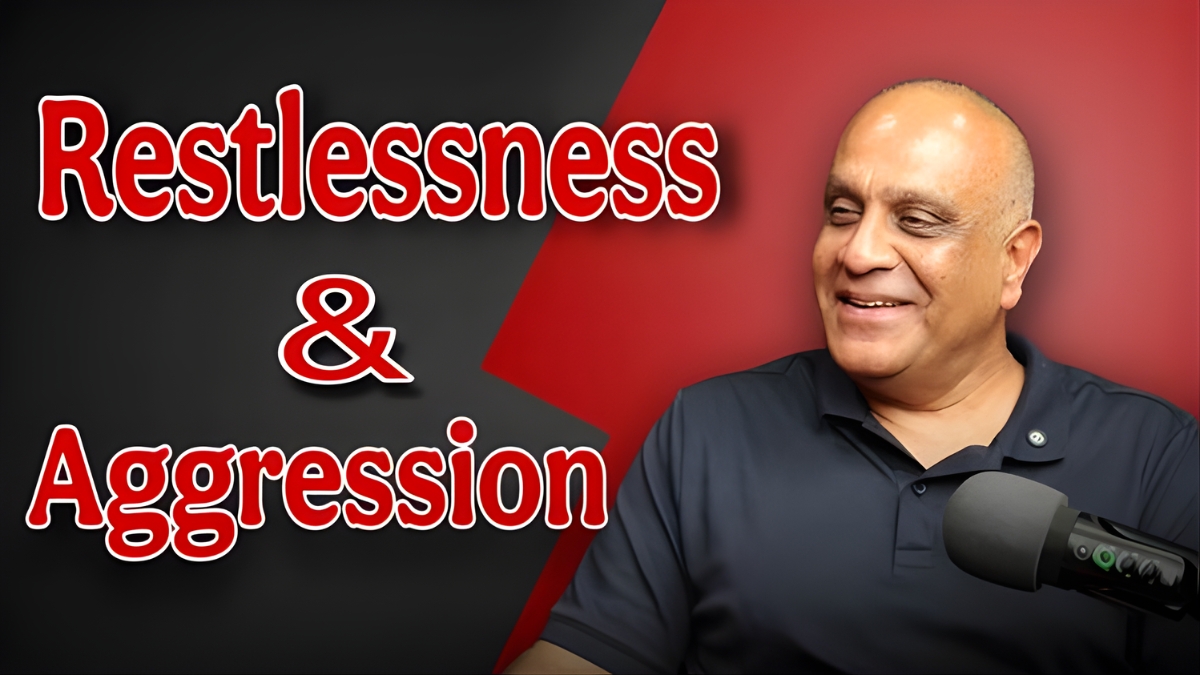
According to Sanjeev Kwatra, Chairman of Global News Bulletin and a known voice in leadership and personal growth, the restlessness people feel today doesn’t come from a lack of opportunity. It comes from overdrive — the endless “what’s next?” cycle. We’re wired to win, but rarely to pause.
He notes that modern aggression, too, isn’t just about anger. It’s about frustration born from unfulfilled desires — the ones we keep stacking like unpaid bills in the mind.
Restlessness: The Overdraft of Desire
Kwatra breaks it down bluntly. Humans chase “better” — a better job, better car, better version of themselves — often by pushing others behind. That hypercompetitive fuel creates mental instability and dissatisfaction.
The same drive that powers progress can also burn the mind if it’s aimed only at self-gain. His solution isn’t passive — it’s redirection. “If that energy is used for the welfare of others,” he says, “peace stops being a myth.”
He quotes the Vedic mantra, Sarve Bhavantu Sukhinah, Sarve Santu Niramayah — “May all be happy, may all be free from illness.” In other words, if you wish peace for others with the same intensity you want it for yourself, restlessness has nowhere to live.
It’s not mysticism; it’s psychology. Goodwill for others reprograms the brain’s reward system, shifting focus from ego to empathy.
Aggression: When Desires Fight Back
Aggression, Kwatra argues, is desire gone toxic. We bottle up aspirations, half-baked plans, and the pressure to perform — and then explode at minor triggers.
He compares it to opening a soda bottle after shaking it: what bursts out isn’t the soda’s fault; it’s the pressure we built inside. Anger, then, is not caused by people — it’s caused by our inability to handle incomplete wants.
Most of us outsource blame. We pin it on bosses, traffic, family, politics — anyone but ourselves. Kwatra’s point? That’s lazy. The real fix is introspection, not outrage.
Spirituality: The Internal Operating System Upgrade
This is where his argument shifts gears. Spirituality, according to Kwatra, isn’t a ritual, religion, or hashtag. It’s an internal operating system upgrade — one that turns conditional happiness into unconditional joy.
He draws a clear line between happiness and joy: happiness is when your external checklist gets ticked; joy is when nothing outside you needs to change.
That distinction matters in a country like India, where material growth has exploded, but stress levels have quietly joined the same graph. In cities running on caffeine and ambition, spirituality isn’t a luxury — it’s maintenance.
Kwatra insists that real “Rest in Peace” should happen while you’re still alive — when you’ve risen above self-centred chaos and hit emotional equilibrium.
A Callout to the Youth: Reflect, Don’t React
Kwatra’s message for young professionals and students hits home. “Whenever you listen to someone,” he says, “don’t just hear the words. Reflect on them.”
In an era that rewards speed over depth, that’s a radical idea. Reflection builds perspective — something algorithms can’t do for you. It’s not about tuning out the world; it’s about tuning in to yourself before you burn out.
He calls spirituality a “PhD in life,” one earned through self-observation, not shortcuts. It’s a long game — but one that pays in clarity and calm, not dopamine hits.
Rewiring Society: From Chaos to Collective Calm
If individuals calm down, societies follow. That’s the undercurrent of Kwatra’s thesis — inner balance radiates outward. A stable mind doesn’t overreact, overconsume, or overcompete. It sets a tone others unconsciously follow.
India, especially its youth, is sitting at a crossroads — digital ambition on one side, spiritual emptiness on the other. Kwatra’s suggestion is not retreat, but recalibration. Progress without peace isn’t progress; it’s motion sickness.
He’s not selling nirvana. He’s offering perspective: peace isn’t found in Himalayan silence or social-media detoxes; it’s found in how you think about others when no one’s watching.
The Man Behind the Message
Sanjeev Kwatra wears several hats — Chairman of Global News Bulletin, entrepreneur, speaker — but his point of view isn’t built on profit. Born in Rishikesh, surrounded by nature and spirituality, he seems to have drawn from that environment a sense of purpose that blends action with reflection.
Under his watch, Global News Bulletin says it’s building a platform that favours integrity, diversity, and honest dialogue over noise. The outlet plans to amplify voices that push for conscious change rather than echo chambers of outrage.
Website: https://sanjeevkwatra.com
YouTube channel: https://m.youtube.com/channel/UCPPduPkBwVULIw2tZsmN3yA
Bottom Line: Peace Is the New Productivity
The punchline here is simple — spirituality for peace isn’t soft talk. It’s strategic self-management.
Aggression and restlessness are just poorly managed energy. Spirituality doesn’t suppress that energy — it repurposes it. It’s not about checking out from reality; it’s about showing up better.
In a world obsessed with scaling up, maybe it’s time to scale inward.


 Divya Agarwal