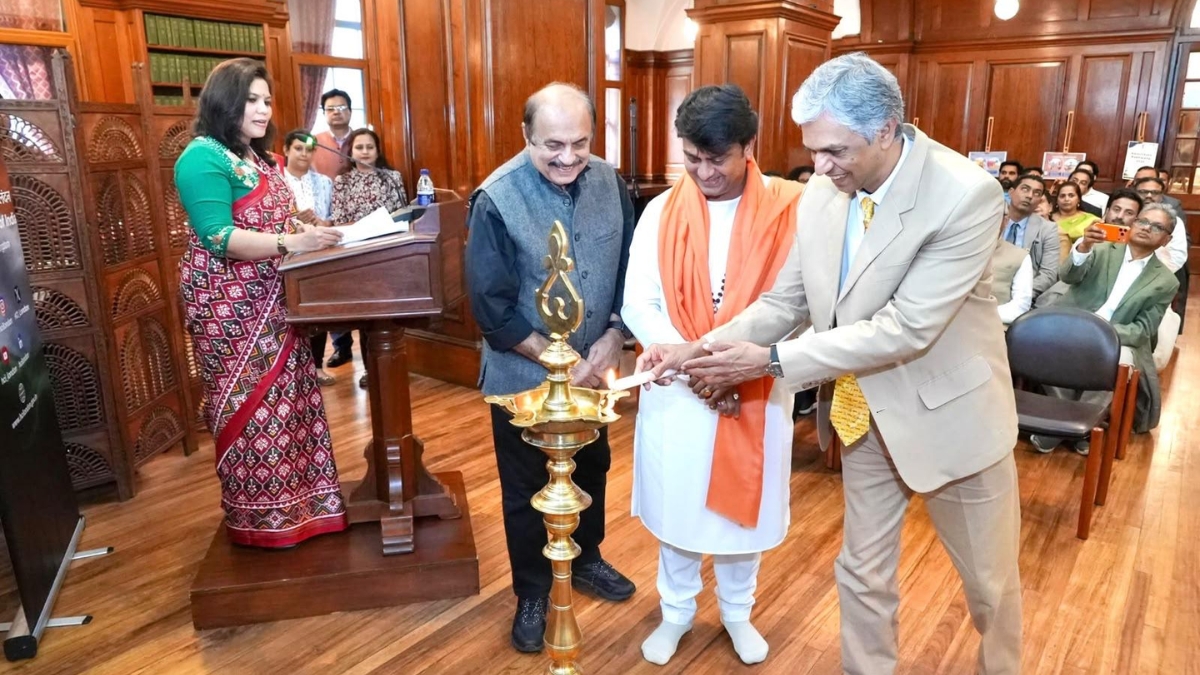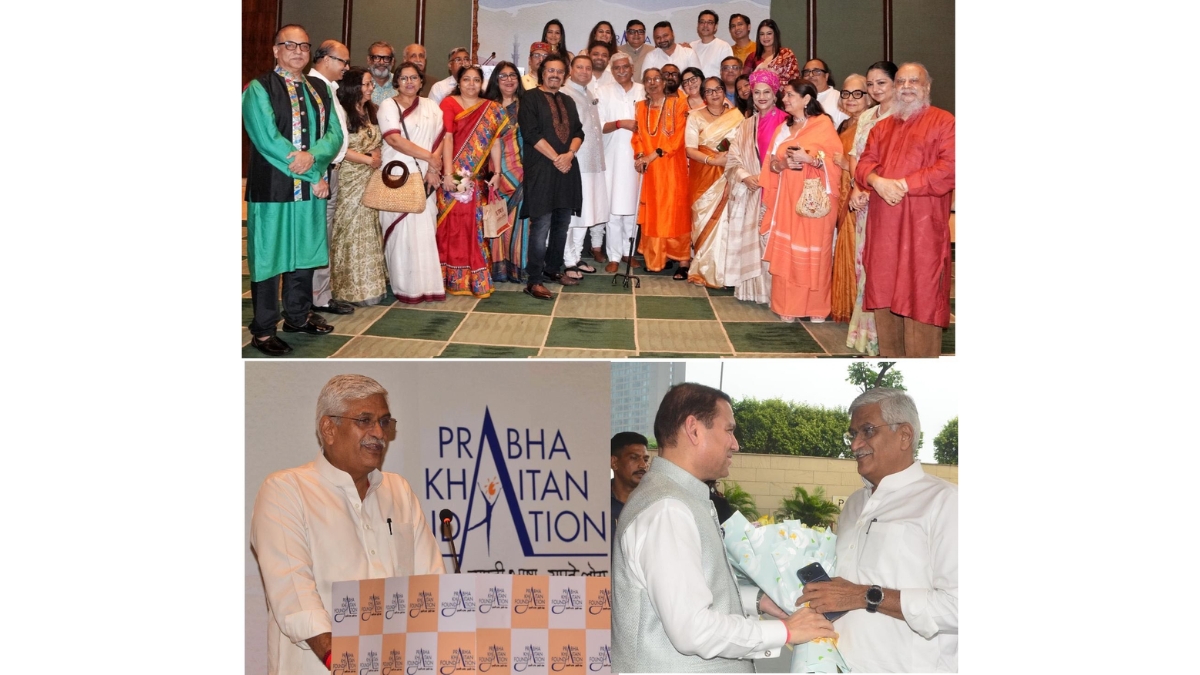

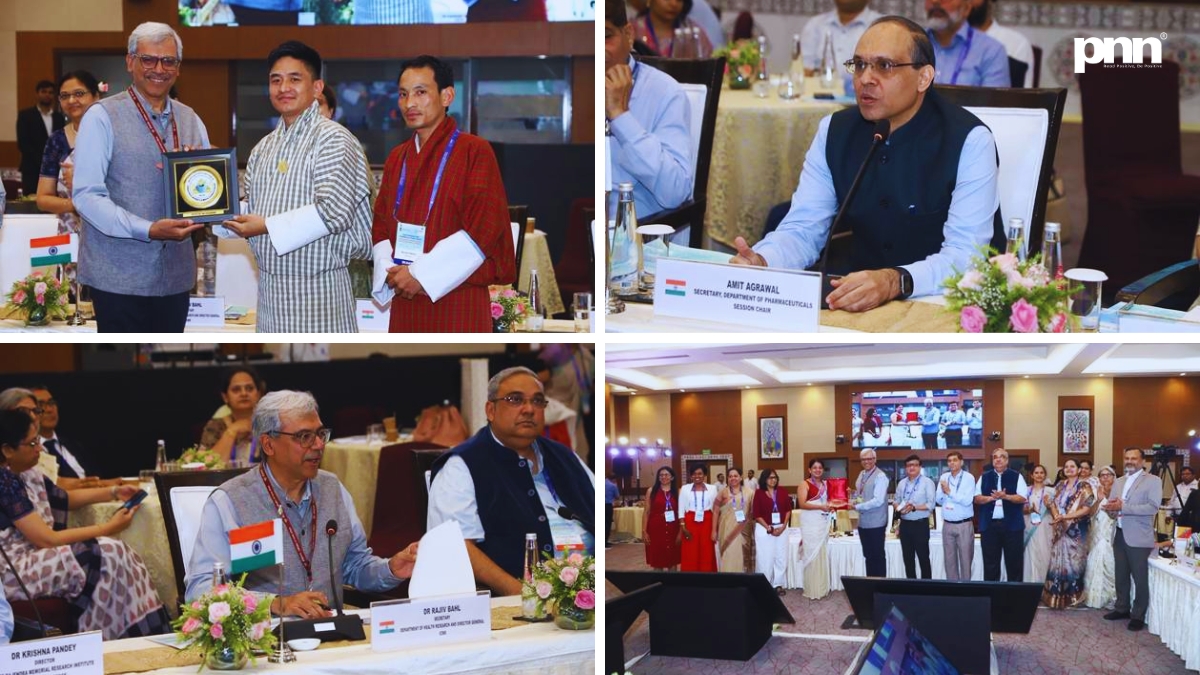
New Delhi [India], August 23: India pulled off something rare this week, getting its neighbours to agree on action, not just talk. Bhutan, Nepal, Sri Lanka, Timor-Leste, and India came together in Delhi to strengthen health research systems. The message was blunt: no country can fix pandemics, NCDs, or antibiotic resistance alone.
We’ve all seen enough regional “dialogues” that go nowhere. This one, convened by the Indian Council of Medical Research (ICMR), tried to cut through that. The plan is to align research with policy, share resources, and build systems that can stand up to future health shocks.
India Takes Centre Stage
Let’s be honest, India wasn’t just a host. It was the heavyweight in the room. From med-tech breakthroughs to vaccine diplomacy, we’ve already shown what scale and speed look like. Amit Agrawal, Secretary of the Department of Pharmaceuticals, drove the point home: India’s innovation platforms are open, and neighbours should plug in. His pitch was simple: start-ups and med-tech don’t just fuel growth; they deliver affordable solutions that work across the region.
And yes, this is the same India that rolled out vaccines for 1.3 billion people and shipped doses abroad when others hoarded supplies. If that’s not proof of capacity, what is?
The Commitments On Paper
By the end, countries signed onto a to-do list that looks refreshingly specific:
- South–South collaboration: Coordinate on antimicrobial resistance, pandemic prep, and lifestyle diseases.
- Pooling resources: Train epidemiologists, improve research ethics, strengthen labs, and develop med-tech together.
- Research to policy: Stop treating science as shelf decoration. Evidence must feed directly into government programmes.
- ICMR’s toolkit: India will share ethics forms, free online courses, and digital tools with countries still building systems.
India’s Diplomacy In Science
Dr. Rajiv Bahl, ICMR’s Director-General, reminded the room that South–South collaboration isn’t charity, it’s strategy. India’s science diplomacy has always rested on sharing capacity with partners, not gatekeeping it. His line, “Science and research must serve people directly”, wasn’t just a soundbite. It fit the theme: make research useful, not ornamental.
Priorities For The Region
The thematic focus areas were split up: One Health, pandemics, infectious diseases, NCDs, maternal health, and med-tech innovation. The idea is that different countries will lead in different areas, so expertise isn’t duplicated.
India naturally sits at the core of this. We’ve built giant digital health stacks, produced low-cost drugs, and fought epidemics at scale. Bhutan’s experience with community health, Sri Lanka’s public health system, and Nepal’s grassroots innovations bring their own value. Together, the region could finally move from patchwork fixes to something closer to resilience.
Experts In The Mix
This wasn’t a dry bureaucrats-only exercise. Names like Dr. V.K. Paul from NITI Aayog, Prof. Srinath Reddy from PHFI, and Dr. Shamika Ravi from the PM’s Economic Advisory Council added weight. Regulators, pharma heads, and health economists joined the table too. Translation: the people who can actually connect dots between research, industry, and policy were in the room.
From Talk To Execution
The final consensus was sharp: less knowledge-sharing, more joint projects. Countries agreed on regular meetings, exchange visits, and co-developed training. That might sound small, but it’s how durable systems are built. Annual speeches won’t stop dengue. Shared training and real-time data just might.
This isn’t altruism. For India, regional resilience means fewer imported health shocks. Dengue doesn’t stop at customs, and antimicrobial resistance doesn’t need a passport. By helping neighbours build capacity, we protect ourselves and project influence at the same time. That’s soft power with teeth.
Good to see South Asia finally acting like a region instead of a neighbourhood of strangers. Let’s be blunt: if COVID didn’t teach us that health threats cross borders, nothing will. India stepping up with ICMR’s tools and platforms is smart. It builds influence while solving real problems. But the test isn’t in declarations. It’s in whether bureaucrats actually follow through. Annual meetings are great, but dengue mosquitoes don’t wait for agendas. Time for South Asia to walk the talk.