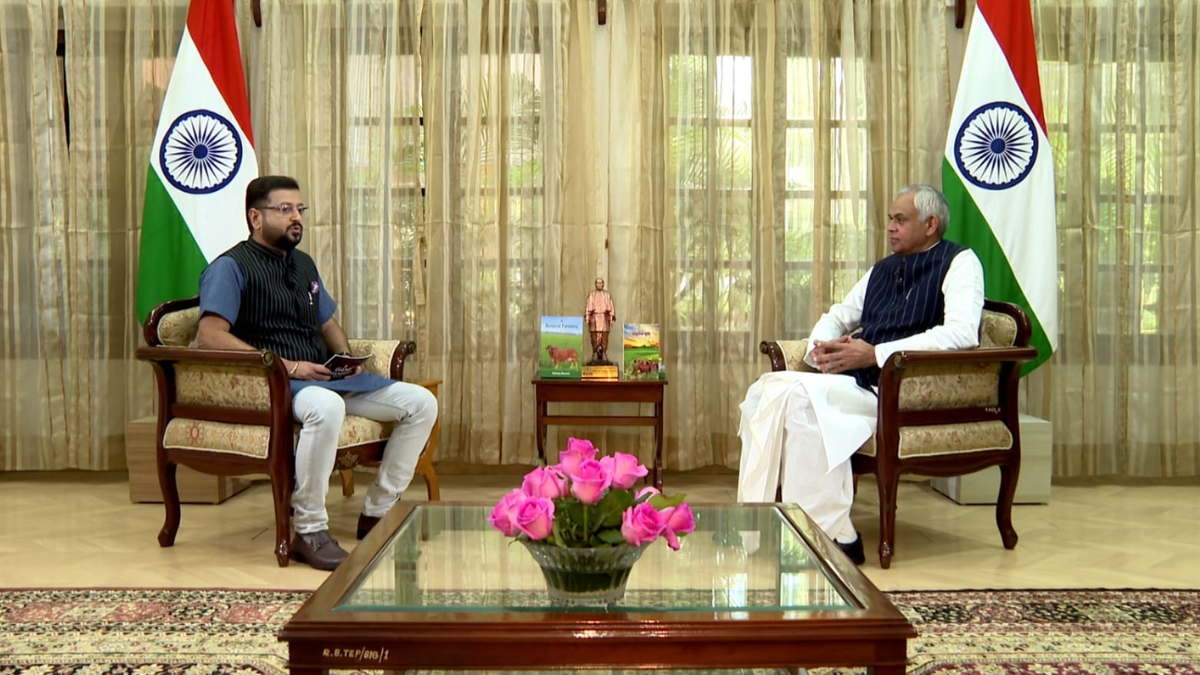

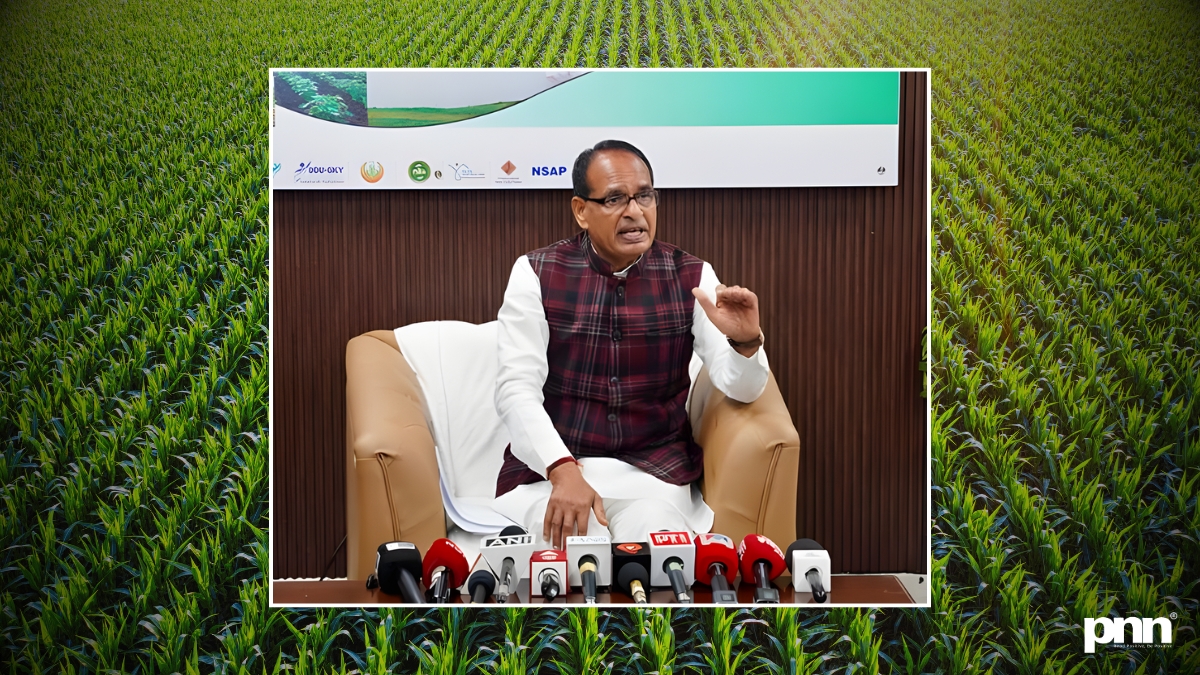
New Delhi [India], January 16: Fake seeds have cheated Indian farmers for years. Seed Act 2026 is the government’s blunt answer, and it does not mince words.
India’s seed market has long had a credibility problem. Good companies played fair. Too many others didn’t. Farmers paid the price with failed crops, lost seasons and zero accountability. Union Agriculture Minister Shivraj Singh Chouhan is now drawing a hard line. Seed Act 2026, he says, is designed to end the chaos for good.
This is not a cosmetic update. It is a structural overhaul of a law written in 1966, an era without QR codes, digital records or modern supply chains. According to the minister, that old framework simply could not handle today’s scale, complexity or abuse.
Seed Act 2026 changes that equation.
Every Seed Tells Its Story
At the heart of Seed Act 2026 is a nationwide traceability system. In plain terms, every seed packet will now carry a QR code. Farmers scan it and instantly see where the seed was produced, who supplied it and who sold it.
No mystery. No middlemen vanishing into thin air.
Minister Chouhan made the intent clear. Farmers should know the complete story of every seed they buy. If something goes wrong, the system will point directly to the source. Accountability stops being theoretical and becomes immediate.
This traceability also means enforcement shifts from reactive to preventive. Fake or substandard seeds are meant to be identified before they spread damage across entire regions. And if they slip through, action will be swift.
The minister did not sugarcoat the problem. Fake and poor-quality seeds have thrived because enforcement was weak. Penalties were laughably small. A maximum fine of ₹500 was hardly a deterrent.
There is now a proposal for penalties up to ₹30 lakh for selling substandard seeds. Deliberate offenders can face imprisonment of up to three years. This is zero tolerance, on record.
Minister Chouhan acknowledged that not every company is guilty. But those who cheat farmers, he said, will face strict punishment. The message is simple. If you profit by ruining a farmer’s crop, expect consequences that actually hurt.
Another quiet but powerful change is mandatory registration of seed companies. Under Seed Act 2026, only authorised, registered entities will be allowed to sell seeds.
This wipes out fly-by-night operators who pop up for a season and disappear once complaints pile up. Farmers will have access to verified details of registered companies. Transparency moves from brochures to databases.
Unauthorised sellers will be barred outright. That alone could clean up a large part of the market.
One concern surfaced quickly. Would the new law restrict traditional seed practices?
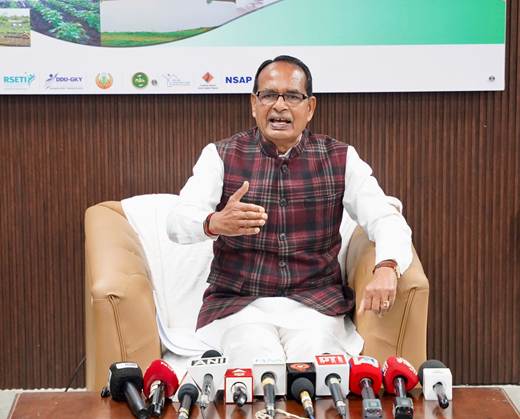
Minister Chouhan addressed it head-on. There will be no restriction on farmers using, saving or exchanging traditional seeds. Local seed-sharing systems, common across rural India, remain protected.
Farmers can continue sowing their own seeds. They can exchange seeds with neighbours. Those age-old practices stay exactly as they are. Seed Act 2026 targets commercial malpractice, not cultural farming habits.
Seed Act 2026 operates on three clear levels.
First, public institutions. The Indian Council of Agricultural Research, agricultural universities and Krishi Vigyan Kendras remain central pillars. Their role in developing and validating quality seeds is reinforced.
Second, domestic private companies producing high-quality seeds are encouraged. The law is not anti-business. It is anti-fraud.
Third, foreign seeds. Imports will be allowed only after thorough testing and evaluation. No shortcuts. No blind approvals. The goal is to ensure Indian farmers are not experimental subjects for untested products.
This balance matters. It keeps India’s seed ecosystem competitive while protecting farmers from being exploited.
A strong law fails if people do not understand it. The government seems aware of that risk.
Minister Chouhan pointed to initiatives like the Viksit Krishi Sankalp Abhiyan, where scientists, officials and progressive farmers go directly to villages. The aim is education, not paperwork.
All 731 Krishi Vigyan Kendras across the country will play a key role. Farmers will be trained to identify quality seeds, understand QR traceability and use grievance mechanisms when something goes wrong.
This matters. A QR code only works if someone knows to scan it.
Another predictable worry was federal overreach. Agriculture is a state subject under the Constitution, and Minister Chouhan was careful to underline that states’ rights remain intact.
Seed Act 2026 does not centralise power. The Centre coordinates. States implement. Cooperation, not control, is the official line.
Given India’s diversity in crops, climates and farming practices, this clarity is essential.
Why Seed Act 2026 Actually Matters?
On paper, Seed Act 2026 looks tough. In practice, its success will depend on enforcement. But the architecture is finally right.
Traceability brings transparency. Heavy penalties bring fear of consequence. Mandatory registration brings order. Protection of traditional seeds brings trust.
For decades, farmers bore the risk while dishonest sellers pocketed profits. This law attempts to rebalance that equation.