
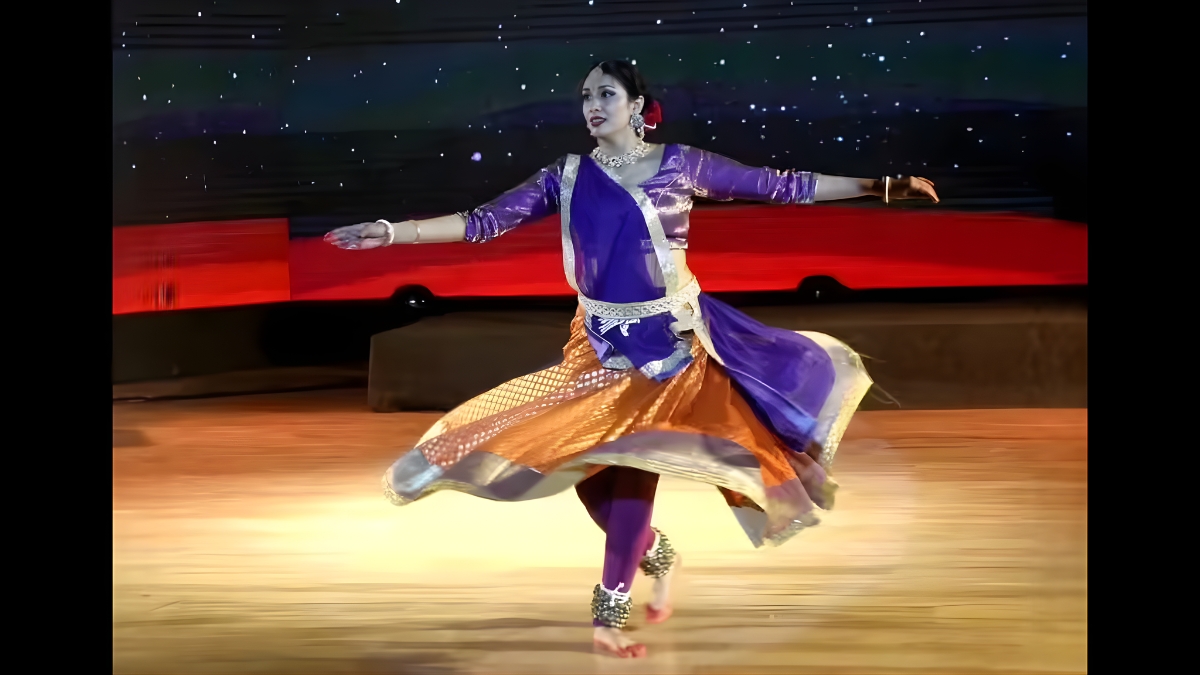
New Delhi [India], January 1: Sapt-Sangeeti 2026 opens its doors in Rajkot with confidence, clarity, and a quiet reminder. Indian classical music does not need saving. It needs space. This festival gives it exactly that.
While the digital world screams for attention, this week-long gathering chooses discipline over noise and depth over drama. It slows things down at a time when everything else is speeding up. And that choice matters. More importantly, it works.
A Festival That Knows Its Roots
Launched on January 2, Sapt-Sangeeti 2026 is not chasing trends or attempting reinvention for relevance. It is reinforcing lineage. That distinction is important.
Hosted in Rajkot, the festival brings together some of India’s most respected classical performers. The lineup includes Padma Shri Malini Awasthi, sitar maestro Ustad Shujaat Khan, and Grammy-winning slide guitar virtuoso Pandit Vishwa Mohan Bhatt.
These are not names added for decoration or social media pull. These are artists who command silence before they command applause. Their presence signals seriousness. Their music demands attention, not distraction.
This is not nostalgia. This is continuity. A reminder that classical traditions are not frozen in time. They evolve quietly, when given the right conditions.
Why Sapt-Sangeeti 2026 Matters Now
India’s cultural calendar is crowded. Festivals come and go, often competing to be louder, bigger, and more marketable. What sets Sapt-Sangeeti 2026 apart is intent.
There is no gimmick here. No forced fusion. No overproduced spectacle pretending to be culture. The festival does not try to simplify classical music to make it “easier.” It trusts its audience to listen, to stay, and to engage.
Instead, the focus is clear:
-
Classical rigor
-
Thoughtful fusion experiments
-
Respect for gharana traditions
-
Space for emotional listening
In an era of shrinking attention spans and algorithm-driven taste, this approach feels almost rebellious. It is a bold move. And a necessary one.
The Artists Carry the Weight
Malini Awasthi brings folk-rooted classical expression that speaks directly to lived India, not curated India. Her performances carry emotional memory and cultural familiarity. She grounds the festival in shared experience.
Ustad Shujaat Khan represents precision and legacy. Every performance from him feels like a lesson in restraint and mastery. This is music built on decades of discipline, not instant gratification.
Pandit Vishwa Mohan Bhatt adds global resonance. His Grammy is not the headline. His ability to blend Indian classical soul with international instruments is. He proves that global recognition does not require cultural compromise.
Together, they ensure Sapt-Sangeeti 2026 is not symbolic. It is substantive.
Rajkot as a Cultural Host
Choosing Rajkot is not accidental. Tier-2 cities are no longer cultural sidelines. They are active participants.
Sapt-Sangeeti 2026 proves that serious audiences exist beyond metro bubbles. This matters for India’s arts ecosystem. When classical music travels, it survives. When it stays locked in elite circuits, it stagnates.
Rajkot listens. That is the point.
Beyond Performance: A Cultural Statement
This festival is not just about music. It is about resistance.
Resistance to cultural dilution.
Resistance to algorithm-driven art.
Resistance to loudness replacing learning.
Sapt-Sangeeti 2026 quietly pushes back by doing one thing well. Letting artists perform without interruption.
No over-branding. No forced narratives. Just sound, rhythm, and restraint.
India’s Arts Calendar Needs More of This
India produces extraordinary talent. What it lacks is sustained platforms that respect that talent.
Sapt-Sangeeti 2026 fills that gap, even if briefly. It reminds policymakers, sponsors, and audiences that classical arts still draw crowds, quality does not need simplification, and Indian culture scales without dilution.
That is a powerful lesson.
What Comes Next
If festivals like Sapt-Sangeeti 2026 receive consistent support, India’s classical ecosystem stays alive, relevant, and respected.
Not viral. Not trendy. Respected.
And sometimes, that matters more.