
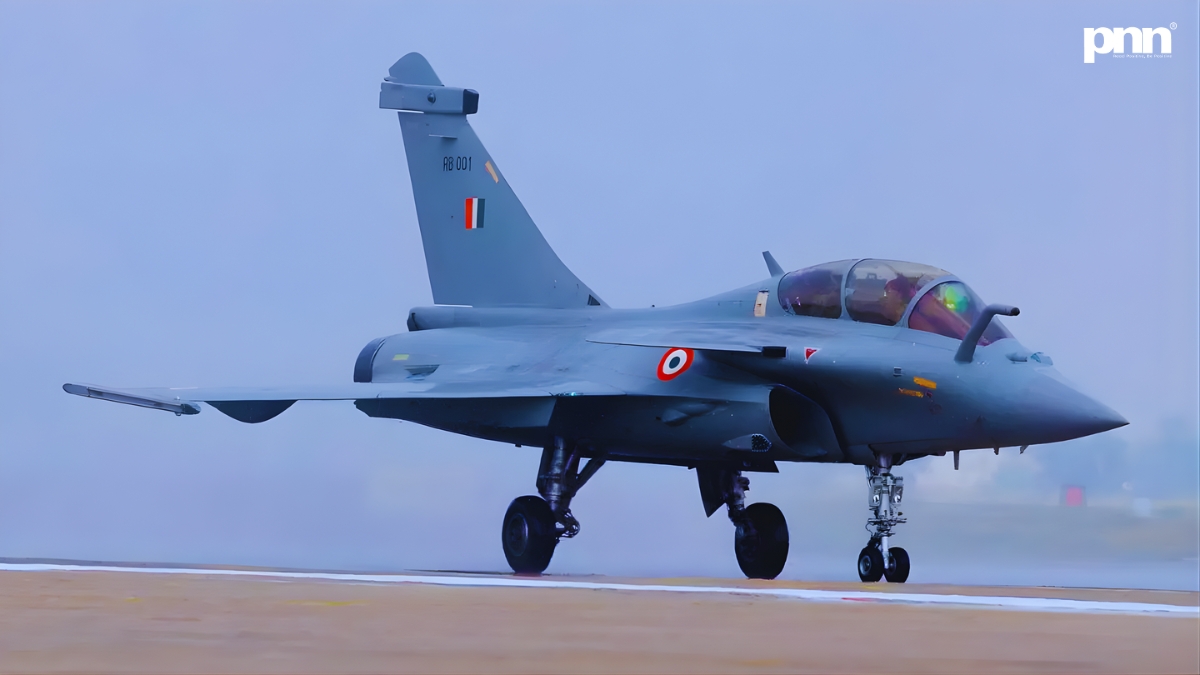
New Delhi [India], January 17: India has finally hit the green button. A long-awaited plan to acquire 114 Rafale fighter jets from France has cleared a crucial hurdle, giving the Indian Air Force a much-needed shot in the arm.
The Defence Procurement Board has approved a proposal to buy and jointly manufacture 114 Rafale fighter jets in a deal expected to run into several billion dollars. The decision was taken on Friday, according to senior officials familiar with the discussions. The board is chaired by the defence ministry’s top bureaucrat and handles India’s biggest military purchases.
This approval does not mean signatures tomorrow. But it does mean the Rafale plan is officially alive and moving.
For the Indian Air Force, that matters. A lot.
India’s fighter fleet has been shrinking for years. Many aircraft are ageing. Others are being retired faster than replacements arrive. The bulk of the fleet still traces its roots to Russia, and numbers are falling below sanctioned strength. This deal aims to plug that gap with speed and scale.
The India Rafale fighter jet deal is also a second act. Back in 2015, India scrapped plans to buy 126 Rafales after years of negotiations collapsed over quality guarantees for jets to be built domestically. That setback reduced the original ambition to a smaller, government-to-government purchase of 36 aircraft.
Those 36 Rafales are now operational and widely regarded as among the most capable fighters in the region.
Since then, the relationship has quietly deepened. In April this year, India signed another deal to buy 26 Rafale-M maritime fighters for the Navy, according to Bloomberg News. Add the proposed 114 jets, and France’s footprint in India’s air power story becomes impossible to ignore.
New Delhi is already the world’s largest buyer of French military hardware, data from the Stockholm International Peace Research Institute shows. This deal would only widen that lead.
Under the new plan, most of the 114 Rafale fighters will not roll out of French factories. They will be built in India.
Officials say all but a few jets will be manufactured locally in partnership with Dassault Aviation, the French defence major behind the Rafale. Crucially, the agreement includes technology transfer to Indian partners.
The goal is clear. By the time production stabilises, 50 percent to 60 percent of each aircraft should be made in India. That includes the airframe, avionics and even engine-related components once the transfer is complete.
This fits neatly into the government’s Make in India push, but with sharper teeth. Unlike past licence-assembly efforts, this programme is designed to deepen domestic capability rather than just screw parts together.
Look, it’s not charity. France keeps a major customer. India gains capacity, skills and leverage.
The timing is also interesting. French President Emmanuel Macron is expected to visit India next month, according to Indian media reports. While officials deny any direct linkage, defence deals of this scale rarely exist in isolation from diplomacy.
At the same time, India has been steadily reducing its reliance on Russian military hardware. Moscow remains the biggest supplier by volume, but new purchases have slowed over the past few years. Diversification is no longer a buzzword. It’s policy.
Dassault Aviation has stayed tight-lipped. A company spokesperson declined to comment, and India’s Ministry of Defence and Air Force did not respond to queries after business hours.
There are still hurdles ahead. Price negotiations must be wrapped up. The final proposal must go to the Union Cabinet for approval. Only then can contracts be signed and delivery timelines locked in.
Still, clearing the Defence Procurement Board is the hardest political gate. Everything after that is mechanics.
For the Indian Air Force, this approval signals intent. It says New Delhi recognises the urgency of fighter shortages and is willing to commit big money to fix it.
For India’s defence industry, the India Rafale fighter jet deal represents something more structural. A chance to absorb advanced aerospace technologies at scale. A chance, finally, to move beyond screwdriver manufacturing.
And for the region, it sends a message. India is not waiting around while its air power erodes.