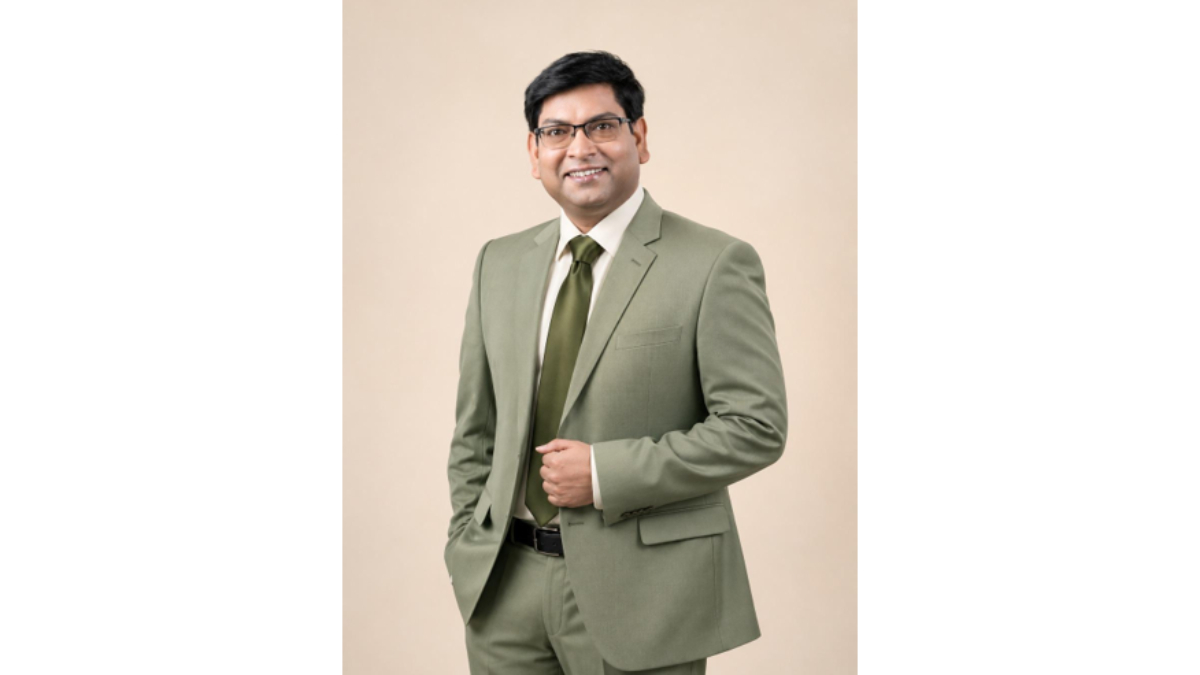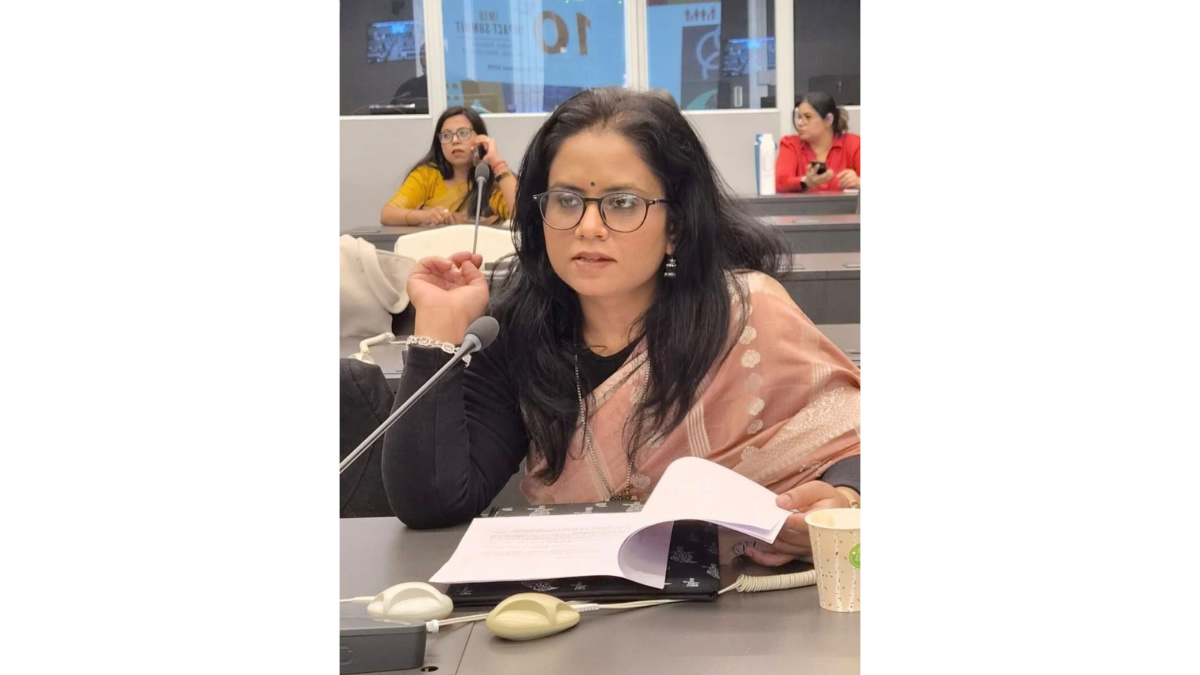


With a professional background that bridges journalism and business, Prikansha Luthra brings a distinctive perspective to leadership in the defence sector. Her experience has equipped her with analytical clarity, communication insight, and operational discipline, qualities that are increasingly valuable in industries where strategic decisions must align with both innovation and national priorities. Her journey reflects a broader shift in leadership across sectors traditionally regarded as complex and highly specialised.
Women today are entering such domains not as symbolic representatives but as professionals contributing meaningfully to strategy, governance, and long-term institutional development. Their participation reflects a changing narrative – one where expertise, competence, and vision are becoming the defining factors of leadership.
At Vijayan Trishul Defence Solutions, Prikansha Luthra plays a key role in aligning the organisation’s innovation efforts with India’s broader defence and self-reliance objectives. Operating in a sector that demands precision, regulatory awareness, and long-term strategic planning requires careful coordination across multiple disciplines. Her work focuses on ensuring that operational decisions remain aligned with national priorities while fostering an organisational culture built on accountability, efficiency, and responsible execution.
For her, empowerment is not defined by visibility alone but by the ability to influence meaningful outcomes. Leadership, in this sense, is about contributing to decisions that shape the direction of an organisation and the value it delivers to the broader ecosystem. Her responsibilities include strategic planning, financial oversight, and strengthening collaborative frameworks that support indigenous defence innovation. By maintaining a balance between creativity and governance, she contributes to systems designed for reliability, sustainability, and long-term impact.
The defence manufacturing ecosystem itself is evolving rapidly as India strengthens its domestic capabilities and reduces dependence on external sources. This transformation is not driven by technology alone; it is also shaped by the quality of leadership guiding organisations through an increasingly complex landscape. Leaders today must navigate regulatory frameworks, oversee technological development, and build strategic partnerships that support sustainable growth.
In such an environment, diverse leadership perspectives are proving increasingly valuable. The presence of women across industry forums, leadership platforms, and strategic discussions signals a gradual but important shift in how expertise is recognised. Their growing participation reflects a move toward merit-based leadership, where knowledge, insight, and capability define influence rather than traditional expectations.
Engagement in national conversations around manufacturing ecosystems, technology innovation, and strategic capability development further highlights the importance of inclusive leadership. When organisations bring together individuals with varied professional experiences and perspectives, decision-making becomes more balanced and adaptive. Such diversity strengthens innovation, enhances organisational resilience, and encourages more forward-looking strategies.
Leadership in sectors like defence manufacturing also reveals an important truth: effective leadership today is less about authority and more about clarity of thought and consistency of action. In environments defined by complexity and responsibility, the ability to make informed decisions while maintaining transparency and trust across teams becomes a defining quality.
For Prikansha Luthra, balancing decisiveness with empathy has been central to building resilient organisational processes. Defence manufacturing requires collaboration between engineers, strategists, policymakers, and industry partners. Creating an environment where these stakeholders feel aligned with shared goals enables organisations to operate more effectively within demanding and high-stakes environments.
Another dimension increasingly shaping leadership in the defence sector is sustainability. While often associated with environmental considerations, sustainability in strategic industries extends to broader institutional priorities. It includes resilient supply chains, ethical governance practices, skill development, and long-term organisational stability.
Integrating these principles into operational frameworks allows organisations to grow responsibly while remaining aligned with national interests. Sustainable leadership focuses not only on expansion but also on building systems capable of delivering consistent performance over time. In sectors connected to national security and technological advancement, this balanced approach becomes particularly important.
Equally significant is the human dimension of leadership. Inclusive work cultures encourage multidisciplinary collaboration, accountability, and open dialogue. In industries where precision and reliability are critical, such environments strengthen both productivity and adaptability. Teams built on trust and transparency are better equipped to navigate challenges and pursue innovation with confidence.
Women leaders increasingly recognise collaboration and transparency as strategic strengths rather than peripheral qualities. By prioritising these principles, they contribute to organisational cultures that combine discipline with empathy. Such cultures strengthen operational performance while also helping organisations attract and retain talent capable of sustaining long-term growth.
For emerging leaders, particularly women aspiring to enter complex and high-responsibility industries, the journey offers an important lesson. Progress is rarely linear, and credibility is often built through perseverance rather than immediate recognition. Beginning before conditions feel perfectly ideal and remaining committed through uncertainty helps develop both capability and confidence.
As India continues to strengthen its defence manufacturing ecosystem, leadership will remain a decisive factor shaping the sector’s future. The increasing presence of women in leadership roles reflects a broader shift toward inclusive participation and forward-looking governance.
Through strategic insight, dedication, and a commitment to responsible innovation, leaders like Prikansha Luthra represent the evolving character of India’s defence industry – one that is becoming more resilient, collaborative, and reflective of the diverse talent contributing to the nation’s long-term strategic progress.