 Divya Agarwal
New Delhi [India], July 21: The Earth is facing unprecedented challenges from climate change and pollution to the depletion of natural resources, making it more urgent than ever for humanity to take meaningful action to restore and protect our planet. In this critical moment, the choices we make as travellers matter immensely.
Eco-friendly destinations are no longer just an option but a necessity for any responsible tourist who wishes to minimise their environmental impact and support the preservation of local cultures and ecosystems.
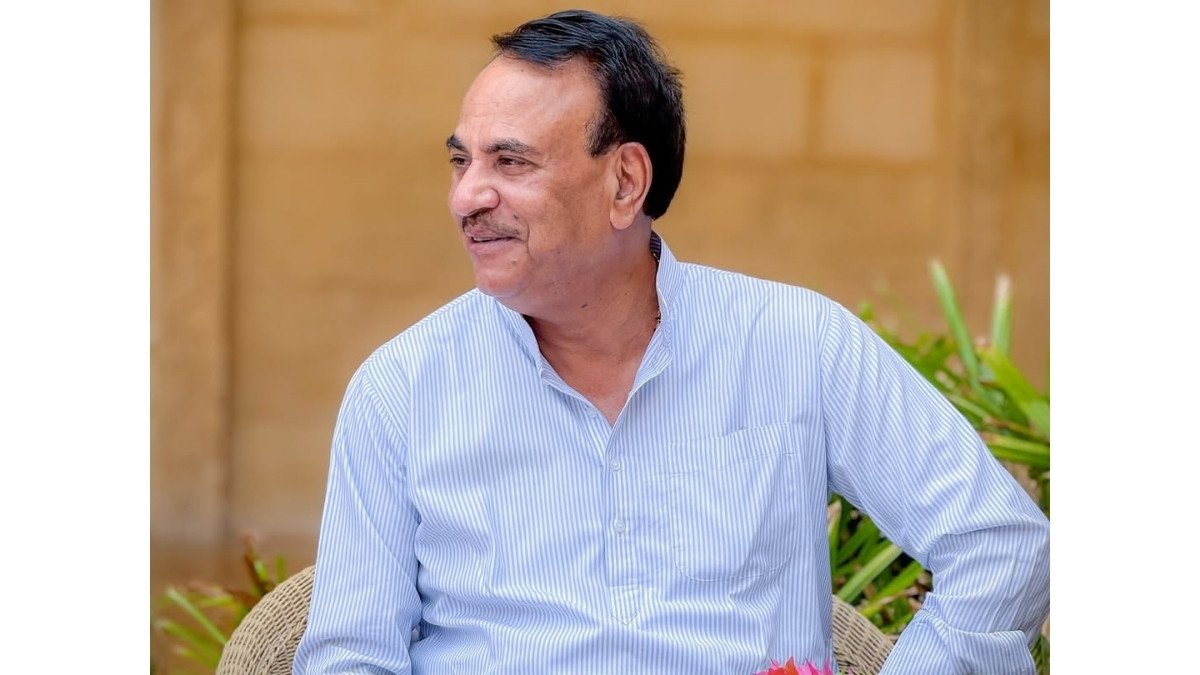
Leaders in the hospitality industry are recognising this shift; Meghraj Singh Shekhawat of MRS Group has been a prominent voice reiterating the importance of sustainable tourism and the transformative power of eco-friendly destinations.
Through the MRS Group, Shekhawat champions eco-friendliness by integrating sustainable practices into their heritage properties, offering immersive experiences that honor both culture and the environment, and setting a new standard for responsible luxury travel.
Lets decode further.
India is witnessing a remarkable surge in eco-friendly tourism, with the sector projected to reach USD 15.5 billion in 2025 and anticipated to grow to USD 41.5 billion by 2035, driven by a robust annual growth rate of 10.3%.
This momentum is matched by a dramatic shift in traveler attitudes: according to Booking.com’s 2025 Travel & Sustainability Report, 87% of Indian tourists plan to travel more sustainably in the coming year, reflecting a heightened awareness of eco-conscious tourism across the country.
Indian travellers are not only expressing intent but also taking action, opting for greener transportation, reducing waste, conserving energy, and seeking accommodations with credible sustainability credentials, which have all become central to their travel choices.
Meghraj Singh Shekhawat believes, “People across India are waking up to the reality that every choice matters, especially when we travel within our own country. Each individual effort, no matter how small, contributes to a much larger impact.”
“As a nation, we are witnessing a powerful behavioral shift, with more travelers consciously opting for sustainable practices and eco-friendly destinations. Together, these choices are helping to shape a greener, more responsible future for Indian tourism.” He adds
Destinations like Rajasthan, Kerala, Sikkim, and the Andaman & Nicobar Islands stand out for their commitment to conservation and responsible tourism.
Sikkim, India’s first fully organic state, exemplifies sustainable tourism by encouraging visitors to trek through pristine landscapes and experience organic farming, all within a framework that prioritises environmental protection.
Rajasthan, renowned for its majestic forts and vibrant culture, has also emerged as a leader in eco-friendly travel, particularly through its heritage hotels. Many heritage hotels in Rajasthan, such as those restored by local families or groups, integrate green practices like harnessing renewable energy, employing water-saving technologies, and implementing waste reduction and recycling initiatives.
Central to this movement is community-based tourism, which empowers local populations by integrating them into the tourism economy. Through homestays, guided tours, and handicraft sales, communities earn sustainable income while preserving their traditional knowledge and cultural heritage.
This approach not only benefits villagers economically but also fosters meaningful cultural exchanges, allowing travelers to gain authentic insights into local life.
Meghraj Singh Shekhawat opines, “There is no way we can truly call for sustainability and eco-tourism without the wholehearted support of local communities, who are the very heartbeats of these places and have lived in harmony with their environment for centuries.”
The MRS Group stands as a shining example of these values in action. Under Shekhawat’s leadership, the group has woven community empowerment, heritage conservation, and environmental stewardship into the very fabric of its operations.
Their iconic properties such as Suryagarh Jaisalmer, Narendra Bhawan Bikaner, and Mary Budden Estate Binsar are not just luxury destinations but living embodiments of responsible tourism. Each property actively involves local communities, whether through employment opportunities, supporting local artisans and farmers, or preserving traditional crafts and knowledge.
“Their wisdom, traditions, and stewardship are essential to preserving the authenticity and ecological balance of every destination. Empowering and including these communities is not just the right thing to do it is the only way forward if we wish to create tourism models that are genuinely sustainable, resilient, and enriching for all.” Believes Shekhawat.
By choosing eco-conscious destinations and practices, Indian travelers are playing a vital role in safeguarding the country’s rich heritage and biodiversity, ensuring that future generations can continue to enjoy the beauty and culture that make India a truly unique destination.
If you have any objection to this press release content, kindly contact [email protected] to notify us. We will respond and rectify the situation in the next 24 hours.