
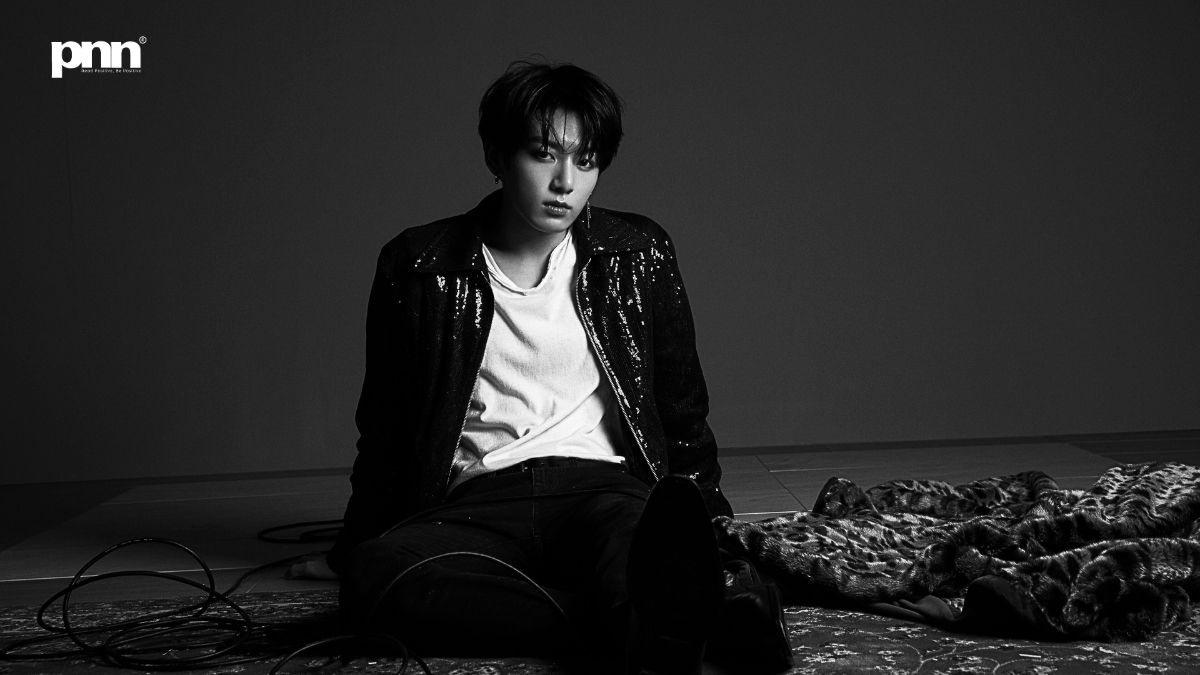
Mumbai (Maharashtra) [India], December 11: In the pantheon of global pop culture icons — where Beyoncé once mused about “running the world like…” and Hollywood still scratches its head over why BTS topped charts it once ignored — Jungkook has quietly become the personification of today’s cultural fluidity. No longer a regional sensation or a niche export from the Hallyu wave, the BTS maknae now ranks among the most influential entertainers worldwide — and with that privilege comes both celebratory fanfare and a few unavoidable shadows.
From magazine covers spanning continents to luxury fashion ambassadorships, Jungkook’s 2025 trajectory testifies to how non-Western pop icons are no longer guests at the global table — they’re setting the menu. But, of course, every gilded narrative comes with contradictions worth unpacking.
1. A Non-Western Pop Icon Synced with the World’s Beat
Jungkook’s recent ubiquity isn’t hype — it’s statistical resonance. His solo accomplishments include:
-
Historic magazine features: Jungkook graced the cover of Rolling Stone across Korea, the UK, and Japan simultaneously — an unprecedented three-region collaboration for the publication.
-
Spotify domination: He became the first Korean solo artist to cross the 10 billion cumulative Spotify streams threshold, a metric that places him in the global mainstream conversation.
-
Brand authority: Major fashion houses now court him — most recently, Chanel appointed Jungkook as global ambassador for fragrances and beauty, signalling corporate acknowledgement of his cross-demographic influence.
-
Survey asteroid status: A global fan survey crowned him one of the most beloved male K-pop stars across 94 countries — no small feat in a crowded cultural landscape.
Add to this the fact that his solo track Seven topped billions in streams and collected major awards, and you see a solo artist who hasn’t just survived the BTS machine — he’s thriving under his own gravity.
2. The Fandom Engine: Glory, Gold, and Grapeshot
What many outside pop culture circles miss is that Jungkook’s rise is inextricable from ARMY — the BTS fandom that functions more like a distributed global event than a fan club. Their engagement isn’t passive:
-
They pre-order magazines en masse.
-
They drive social media metrics and trend charts in markets that Western pop stars sometimes can’t.
-
They oscillate between campaigns for collaboration with artists like Justin Bieber — sparked by a surprise livestream cover — and frenzied rumor-tracking on Reddit and forums.
But here’s where the silver lining gets a little tarnished: with fandom intensity comes toxicity. Recent dating rumours with aespa’s Winter, fueled by alleged “matching tattoos,” spiralled quickly into harassment and death threats directed not at Jungkook, but shockingly at his dog’s Instagram account. This is not the glow one expects in late-stage pop culture — it’s a reminder that fan identity can, at times, mutate into unhealthy obsession.
3. Economic Gravity: Pop Culture That Pays Its Own Way
In 2025, the economics of pop stardom are no longer confined to record sales:
-
Jungkook alone generated 10.6 billion KRW in media value during Fashion Weeks, significantly boosting brand visibility for Calvin Klein — the label he represented.
-
BTS collectively generated media value that rivals mid-sized corporate ad campaigns, with the group’s attendance at global fashion events creating the equivalent of tens of millions of dollars in PR exposure.
These aren’t vanity metrics. They translate into tangible brand partnerships, broader licensing deals, and sustained cultural relevance well beyond the music charts — further proving that Jungkook’s global impact is both cultural and commercial.
4. Self-Care and Humanity: The Human Behind the Golden Mask
For all the platinum records and luxury endorsements, Jungkook has been candid about an issue Western tabloids have spent years scrutinising in stars: self-care and inner equilibrium. In a recent interview tied to his Rolling Stone feature, he acknowledged:
He feels the need to show himself more “love and care,” highlighting healthy habits, routines, and personal reflection as part of his 28-year-old journey.
This vulnerability is refreshing and strategically important: it humanises a figure often mythologised in fandom lore and media soundbites.
5. The Bright Side (PR-Friendly)
-
Barrier-Breaking Achievements: Jungkook is setting new records for Asian artists in global entertainment ecosystems — from music streaming to elite fashion credibility.
-
Championship at Music Awards: His tracks and albums consistently earn recognition in Western awards circuits, signalling a two-way cultural exchange rather than unilateral export.
-
Immersive Fan Experiences: Exhibits like Golden: The Moments are scheduled in cities like Mumbai, giving non-Western markets direct access to Jungkook’s artistic journey.
-
Commercial Influence: From Spotify figures to global fashion EMV, Jungkook’s brand power is measurable in billions — not just in social media likes.
6. The Flip Side (PR-Realism with Sarcasm)
-
Fan Overreach: When hanging out with a dog’s Instagram account becomes the battleground for death threats, it’s clear that fandom sometimes forgets it’s human beings at either end of the screen.
-
Rumor Mill Machinery: Dating rumors and obsessive theories circulate faster than actual music drops — which is impressive in its absurdity, if not its newsworthiness.
-
Solo Identity vs Corporate Strategy: Not everyone believes Jungkook’s world domination is intentional. Some whispers suggest that his label has quietly shifted promotional focus to other group members despite his towering solo metrics — an eyebrow-raising PR choice, if true.
-
Global Saturation Risk: The more Jungkook is everywhere, the more average consumers might reflexively tune out — a phenomenon sociologists call overexposure fatigue. No crisis yet, but you can smell it on Twitter at 3 AM.
Conclusion: Between Golden Halo and Real-World Shadows
Jungkook’s place in global pop culture isn’t just symbolic — it’s quantifiable. He’s pushed streaming boundaries, stamped himself on international media, and bridged fans across continents with a connectivity that even many Western superstars envy.
Yet fame’s spotlight is not just warmth — it also casts long shadows. Rumors and online toxicity underscore how modern fandom can dehumanize as easily as it elevates. And while his numbers are stellar, the strategy behind his image — both artistically and corporately — continues to be debated in fan forums and executive boardrooms alike.
In a world that once benchmarked success in Western charts and endorsements, Jungkook’s story is proof that cultural influence in 2025 is borderless, unpredictable, and sometimes gloriously messy. And really, isn’t that the best kind of pop culture story?