
New Delhi [India], September 21: India’s clean-energy transition is entering a defining phase. While expanding renewable-energy generation is essential, the real challenge is moving this power efficiently from generation-rich regions to the centres where it is needed most. A strong, resilient and future-ready transmission network is therefore the backbone of India’s green-energy ambitions—connecting renewable power with homes, industries, businesses, hospitals and other critical infrastructure.
India is accelerating its clean-energy transition, targeting 500 GW of non-fossil fuel capacity by 2030, with over 300.5 GW already achieved as of July 2026. As renewable generation expands, robust transmission infrastructure will be critical to deliver this clean power across regions.
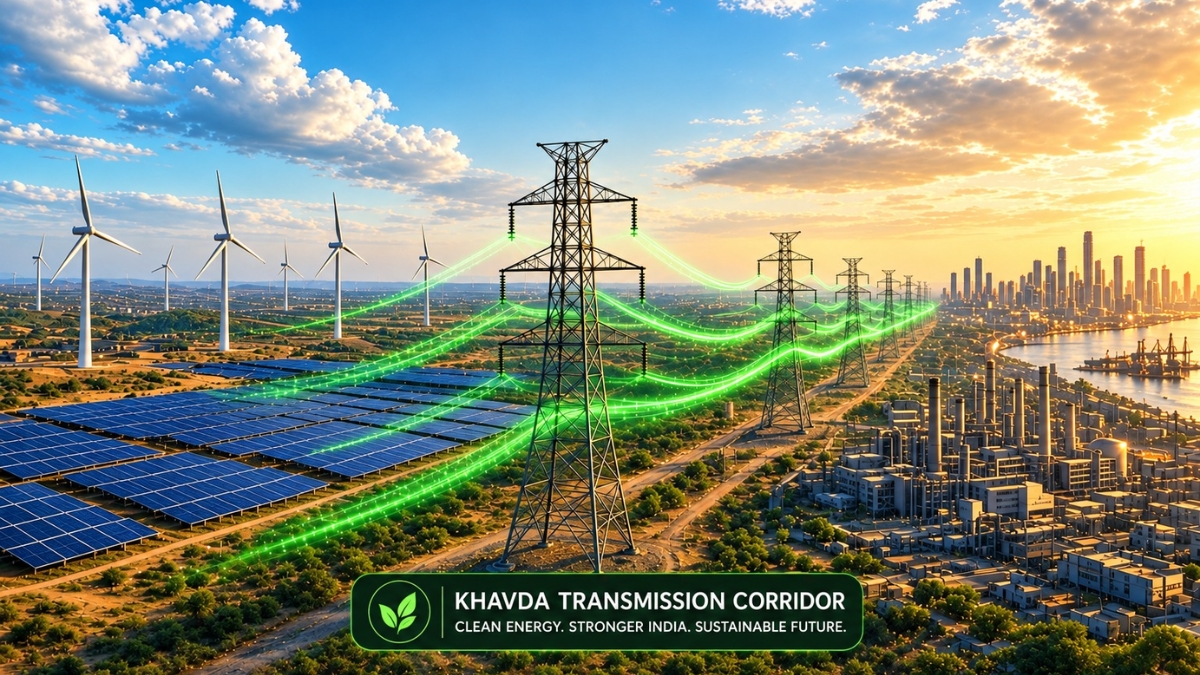
The Khavda region in Gujarat is emerging as one of the country’s major renewable-energy generation hubs. India’s 2030 renewable-energy ambitions therefore require not only large-scale generation but also high-capacity transmission corridors capable of transporting electricity over long distances and integrating it reliably into regional grids.
The Maharashtra component of the project spans approximately 306 Circuit KM, traversing 150 villages across five talukas, with four transmission lines forming an important part of this high-capacity electricity network. In simple terms, Khavda IV-C is building an electricity highway for green power. The value of renewable energy is ultimately realised when it can be transmitted reliably to the people and places that need it.
For Maharashtra, this assumes added significance as the state continues to pursue its long-term economic growth ambitions, including its vision of becoming a USD 1 trillion economy. Reliable and scalable power infrastructure will remain an important enabler of industrial expansion, urban development, new businesses, digital infrastructure and improved quality of life.
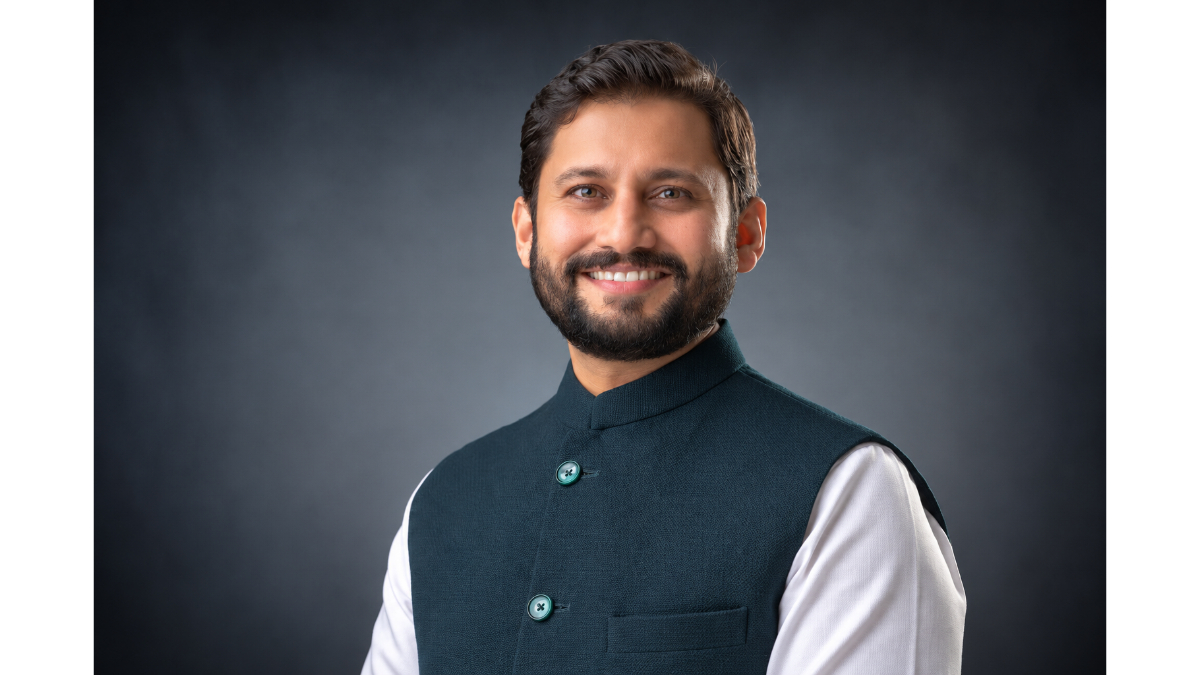
Commenting on the project’s significance, Mr. Ninad Pitale, Sr. Vice President & Group Head, Corporate Affairs, Resonia, said: “India’s renewable-energy transition can achieve its full potential only when generation is matched by strong transmission infrastructure. Khavda IV-C is designed to create that critical link, moving renewable power from Gujarat to Maharashtra and supporting the state’s growing energy needs. This is not simply about building transmission lines; it is about creating the infrastructure that can enable sustainable economic growth and a stronger, greener energy future.”
At the local level, Khavda IV-C is expected to strengthen the reliability of power supply to industrially developed Bhiwandi, as well as the Shahapur, Wada and Vikramgad regions. The project will also feed into the existing Nashik–Babhaleshwar transmission line, a key source supplying power to Nashik. The Babhaleshwar–Padghe line at Boisar-II will provide an additional source of power to the region, while helping ease the load on the existing transmission network and strengthening overall grid reliability.
By ensuring a reliable power supply, the Khavda IV-C transmission project will stimulate investment and economic activity, create jobs, increase per capita income, and achieve sustainable inclusive growth, helping the region and the state reach its aspirational targets.
Behind every transmission tower lies a larger national purpose—moving electricity from where it is generated to where it is needed. Resonia’s contribution goes beyond the physical construction of towers and lines; it is about creating the critical infrastructure that connects renewable energy with economic activity, communities and everyday life.
If you object to the content of this press release, please notify us at [email protected]. We will respond and rectify the situation within 24 hours.