 Divya Agarwal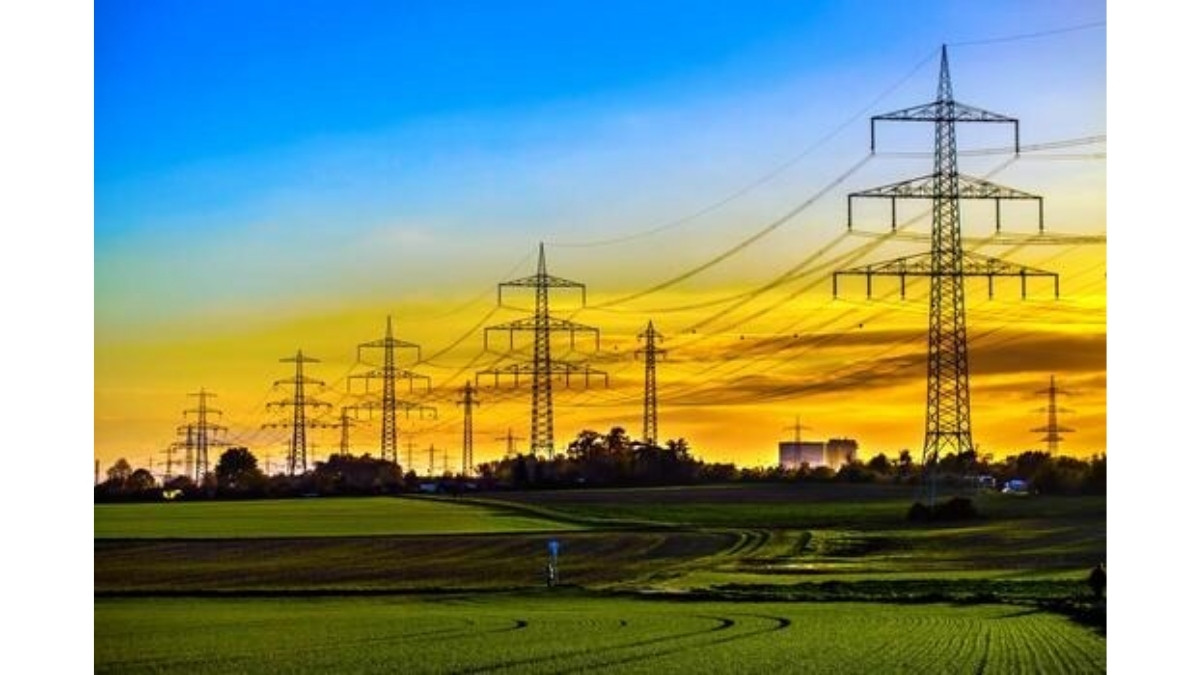
New Delhi [India], June 18: The Khavda project, being developed in the vast expanse of the Rann of Kutch in western India, is emerging as one of the country’s largest renewable energy hubs. However, the success of any energy project is not measured solely by the amount of electricity it generates; it also depends on how efficiently, reliably, and safely that electricity reaches consumers. Cities, industries, and households located hundreds of kilometers away can benefit from power generation only when supported by a robust transmission network.
Against this backdrop, the Khavda IV C Power Transmission Project is becoming a vital component of India’s energy infrastructure. As part of this project, Resonia Limited is undertaking the construction of transmission towers and power lines, creating the critical network required to connect power generation centers with the national grid.
The Backbone of the Energy Sector: Transmission Networks
No matter how much electricity is generated, its full value cannot be realized unless it can be transmitted efficiently to consumption centers. This is why power transmission infrastructure is often considered the backbone of the energy sector.
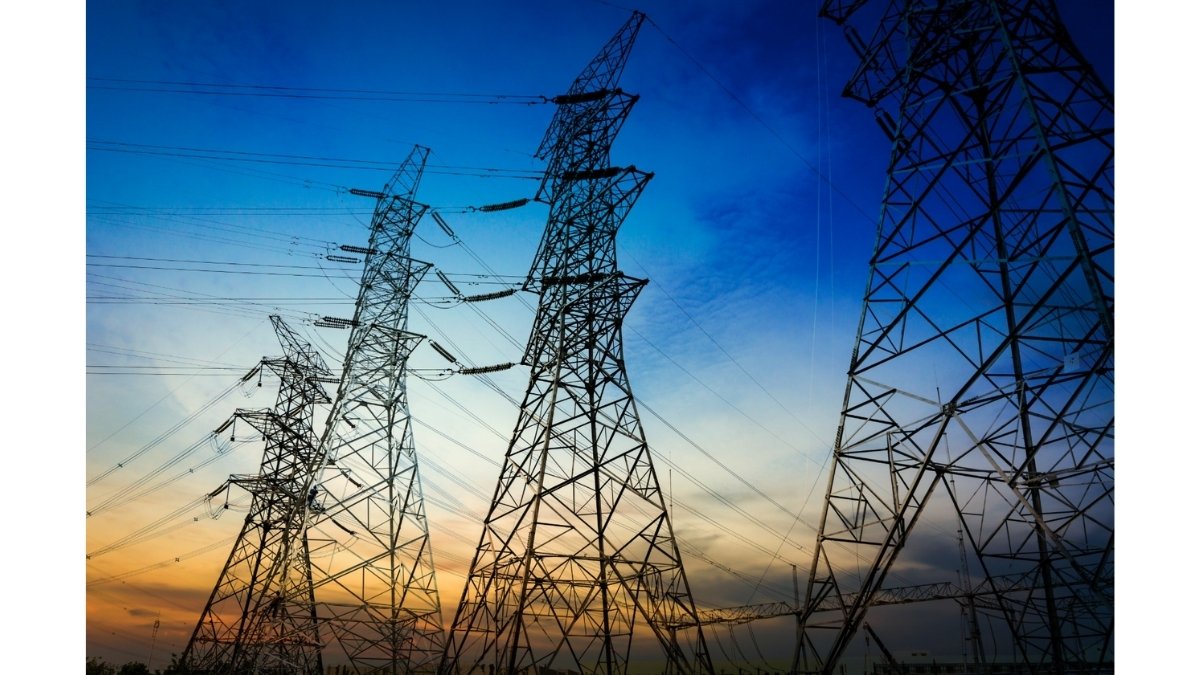
The Khavda IV C project is enabling the integration of an additional 7 GW of power into the national grid. Transmission towers, high-voltage power lines, and associated infrastructure play a crucial role in this process. These facilities bridge the gap between power generation sites and areas where electricity is consumed.
Growing urban and industrial centers such as the Mumbai Metropolitan Region, Pune, and other key economic hubs across Maharashtra require a dependable and resilient power supply. A strong transmission network ensures that electricity can be delivered reliably and without interruption, supporting economic growth and energy security.
The Role of Transmission Infrastructure in India’s Energy Transition
India has set an ambitious target of achieving 500 GW of non-fossil fuel-based energy capacity by 2030. Achieving this goal requires not only large-scale power generation but also significant investments in transmission infrastructure.
Power is often generated in locations far from major demand centers. In such situations, a strong transmission network becomes essential for delivering electricity through the national grid to where it is needed most. As a result, transmission infrastructure plays a critical role in ensuring energy availability, grid stability, and long-term energy security.
The Khavda IV C project represents an important step toward achieving these national objectives. Through the transmission infrastructure being developed by Resonia, a vital connection is being established between power generation assets and end users.
“Power generation facilities produce electricity, but transmission networks connect that power to the nation’s development. A strong and reliable transmission system forms the foundation of energy security. Through the Khavda IV C Project, Resonia is developing critical infrastructure that links power generation centers with consumption hubs, while upholding the principles of environmental responsibility and sustainable development. In doing so, the company is helping build a more resilient, efficient, and future-ready energy sector for India.”— Ninad Pitale, Vice President, Resonia
Development with Community Participation
The project is being implemented with a strong focus on stakeholder engagement, including continuous dialogue with local communities, farmers, village representatives, and other stakeholders.
In addition, the project is contributing to local employment generation, skill development, and infrastructure improvements in the project area. As a result, it is not only creating critical energy infrastructure but also supporting socio-economic development in the communities along its route.
Building Infrastructure with Environmental Responsibility
While implementing the Khavda IV C Power Transmission Project, Resonia is placing equal emphasis on environmental responsibility. Across various stages of the project, modern mechanisation and advanced technologies are being used to minimize environmental impact. In addition, tree plantation and conservation initiatives are being undertaken to enhance green cover, while the project is being executed in line with sustainable development principles and with due consideration for local environmental conditions.
Transmission Towers: Pillars of India’s Power Network
The transmission towers being erected along the Khavda-to-Maharashtra corridor are much more than steel structures. They are fundamental pillars of India’s power system, enabling electricity generated at distant locations to reach millions of consumers.
These towers and transmission lines strengthen the national grid, improve the reliability of power supply, and facilitate efficient power transfer across states. Their contribution is essential to supporting India’s economic growth, industrial expansion, and increasing energy demands.
The recent observance of World Environment Day served as a reminder that sustainable development depends not only on generating clean energy but also on ensuring its efficient delivery. Through the Khavda IV C Power Transmission Project, Resonia is playing a vital role in building the infrastructure that connects power generation centers to consumers, strengthening India’s energy security and laying the foundation for the nation’s growing energy needs.
If you object to the content of this press release, please notify us at [email protected]. We will respond and rectify the situation within 24 hours.