
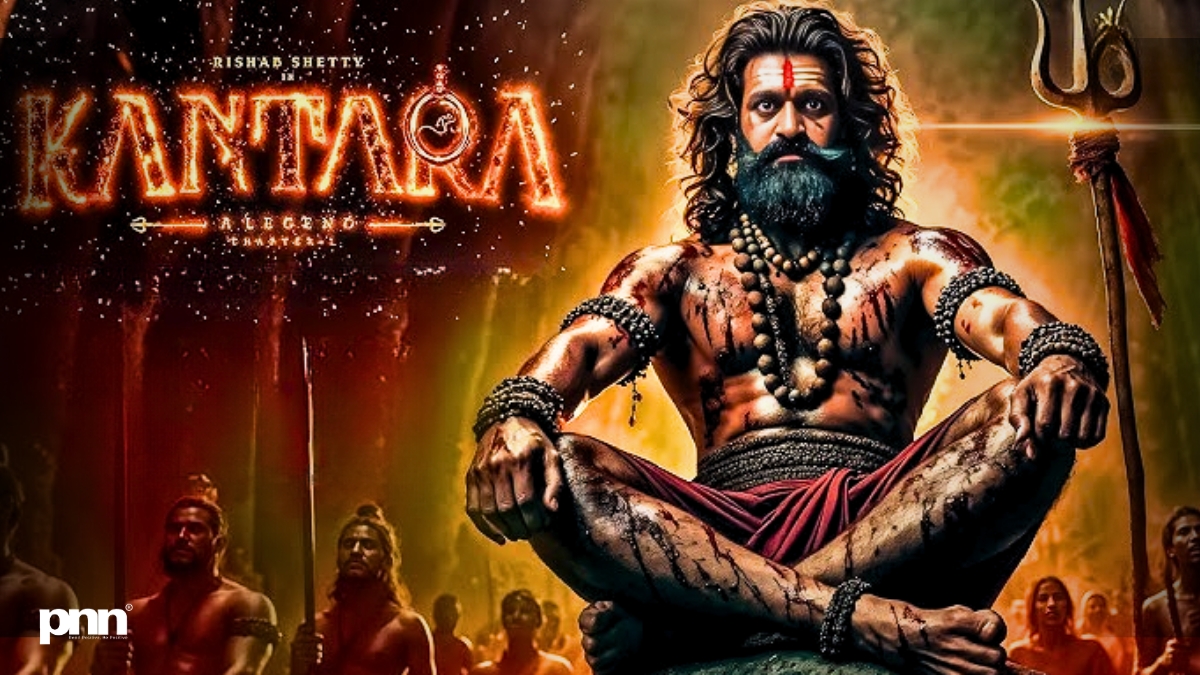
Mumbai (Maharashtra) [India], October 2: Sometimes cinema doesn’t just open; it breathes. Kantara: Chapter 1, the long-awaited prequel to the 2022 phenomenon Kantara, promised that kind of visceral resonance — an origin story steeped in myth, folklore, and cosmic conflict. Now that it’s in theatres, we’ve glimpsed both its triumphs and its frailties. Let’s dig into why this film might remake expectations — yet still risk being outshone by its own ambition.
If I were handing out tickets based on excitement alone, Kantara: Chapter 1 would be booked solid. The buzz preceding its release was deafening. On X (Twitter), cinephiles already crowned Rishab Shetty “master storyteller,” applauded the world-building, and hyped a “goosebumps climax.” Paid previews reportedly sold over 1 million tickets before Day 1, and trailers alone stoked cultural pride and curiosity.
That said, cinema is cruel to hype. The film asks a lot from its audience: patience, suspension, belief in gods and curses, and trust that its mythos will pay off. On some counts, it does — magnificently so. On others — less so.
Weaving the Tale: What Kantara: Chapter 1 Offers
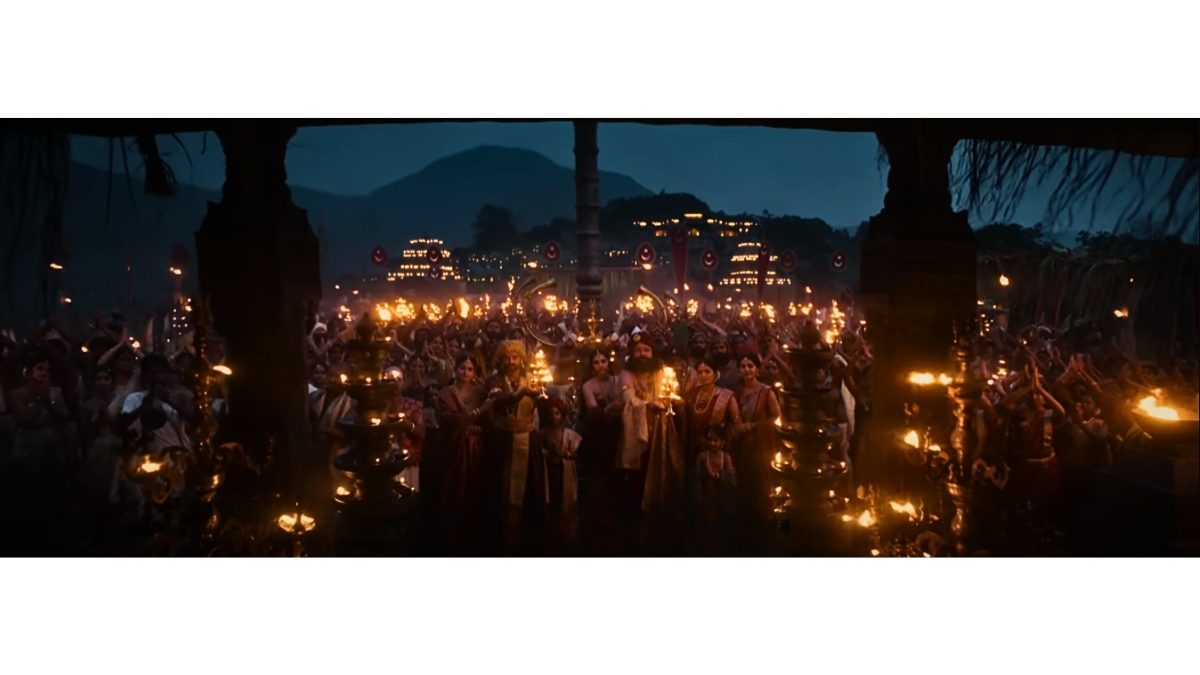
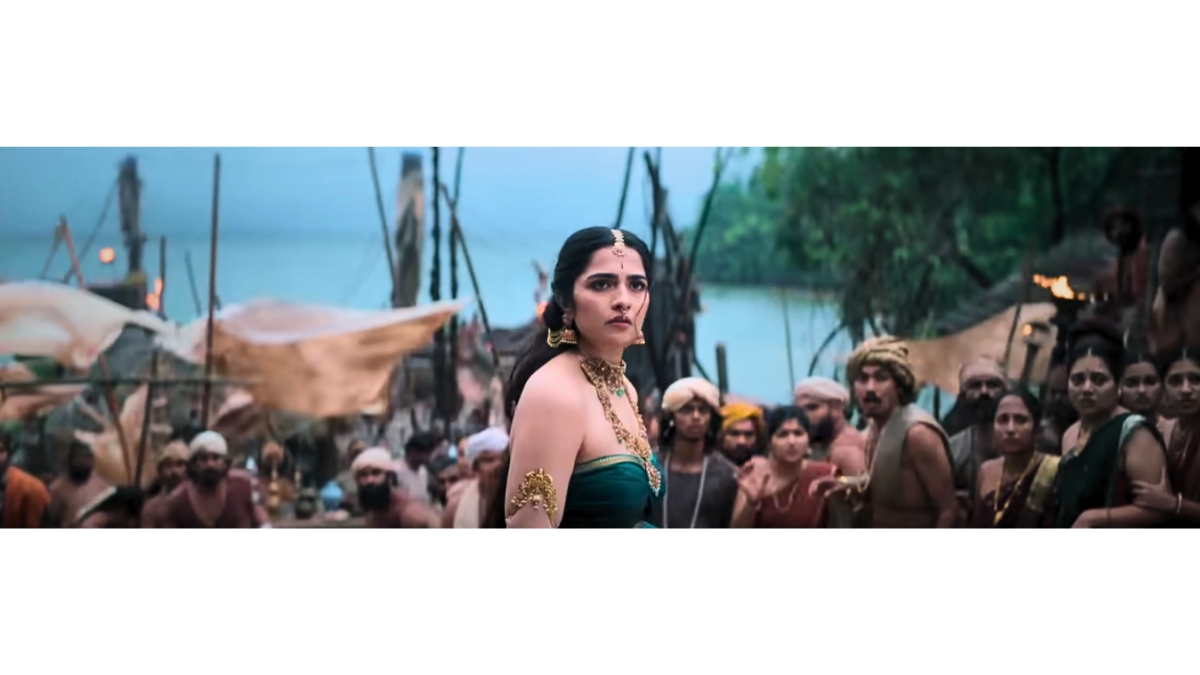
Directed, written, and led by Rishab Shetty, Chapter 1 takes us back to the Kadamba era in coastal Karnataka, digging into the ancient roots of the Bhuta Kola ritual, ancestral conflict over land and faith, and a hero’s mythic journey. Shetty reprises the role of Berme, embodying a fierce, haunted protagonist whose inner turmoil echoes across nature, divinity, and folklore. Opposite him is Rukmini Vasanth as Kanakavathi, a royal figure whose ambitions, love, and political weight enrich the emotional axis of the film. Jayaram, Gulshan Devaiah, and others support, lending gravitas to shifting allegiances, betrayals, and cultural weight.
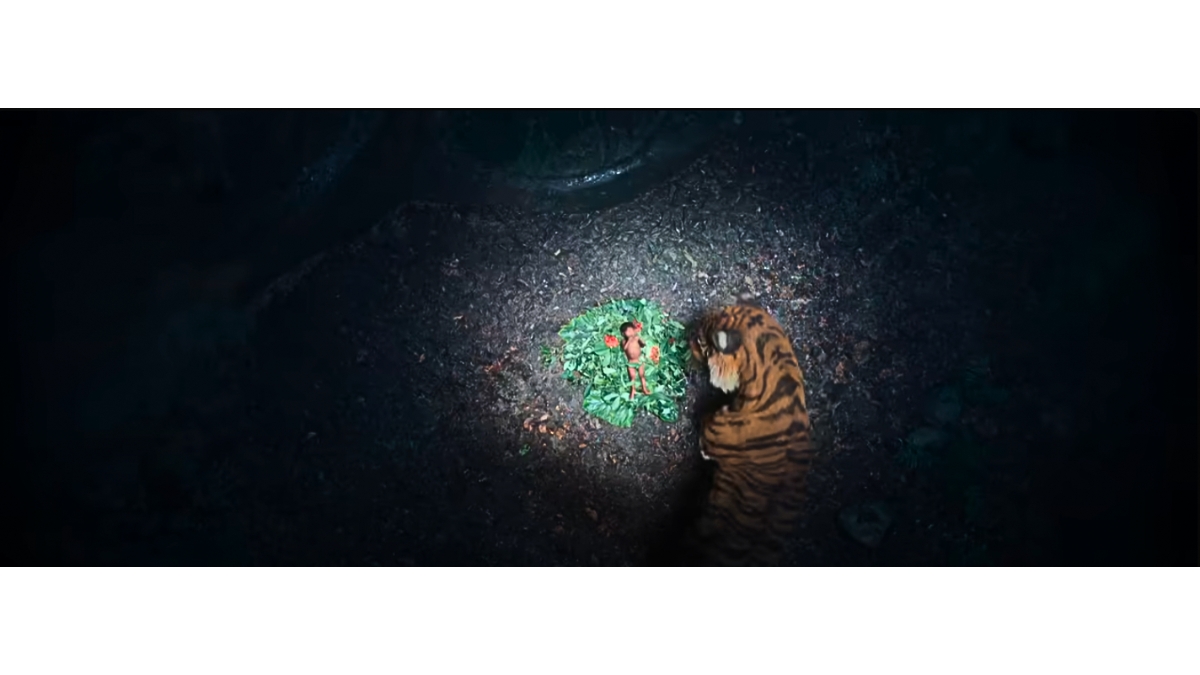
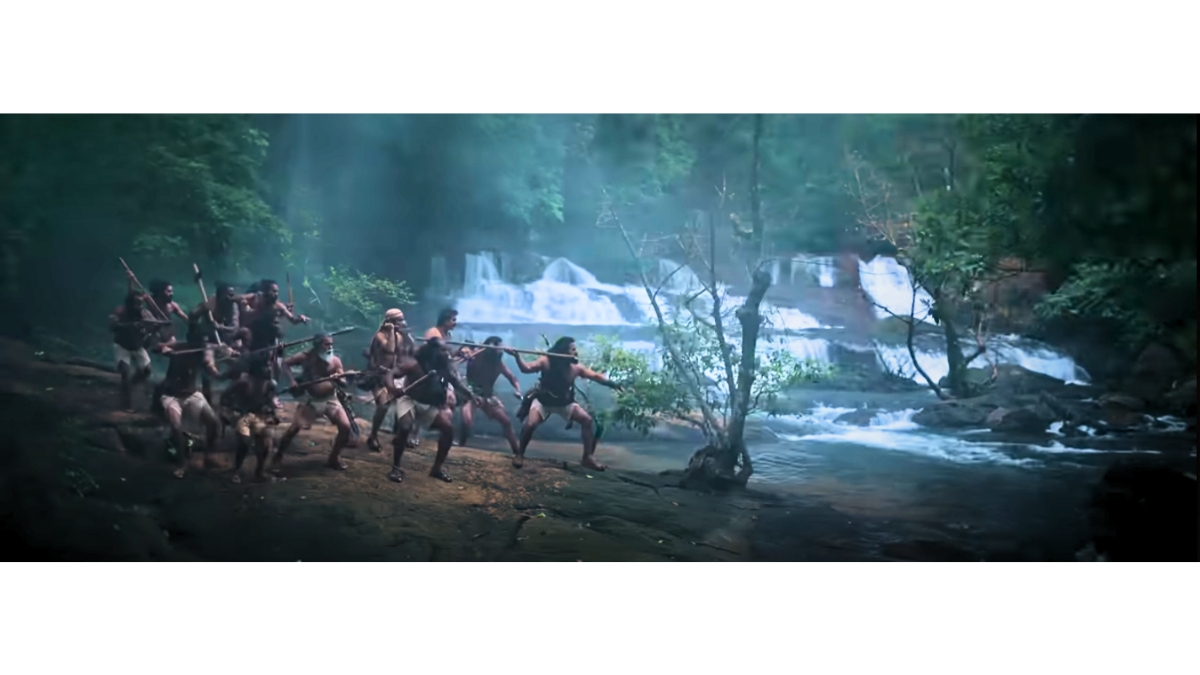
Visually and technically, the film is swathed in grandeur. Arvind S. Kashyap’s cinematography captures dense forests, misty rivers, rugged landscapes — landscapes that feel fated, not decorated. B. Ajaneesh Loknath immerses the narrative with a score that pulses with elemental energy. The visual effects, especially in the ritualistic, supernatural sequences, make you lean forward, hoping the cinema frame never gives out.
The film’s narrative pacing is uneven: the first half moves with foreboding elegance, building toward the interval with tension, portentous visuals, and hints of fate. After intermission, the scale increases — actions widen, stakes rise, mystical confrontations intensify. Some sequences sparkle; others strain under their own weight.
Where the Saga Soars — and Where It Stumbles
Highlights That Conjure Wonder
-
Climactic power & emotional payoff: Many reviews, including India Today’s, highlight how the film holds itself together best when it leans into full mythic tilt, especially in its last 30–40 minutes. The “Guliga scream” — a terrifying motif from Kantara — resurfaces, varied and terrifying, and feels evolutionary rather than repetitive.
-
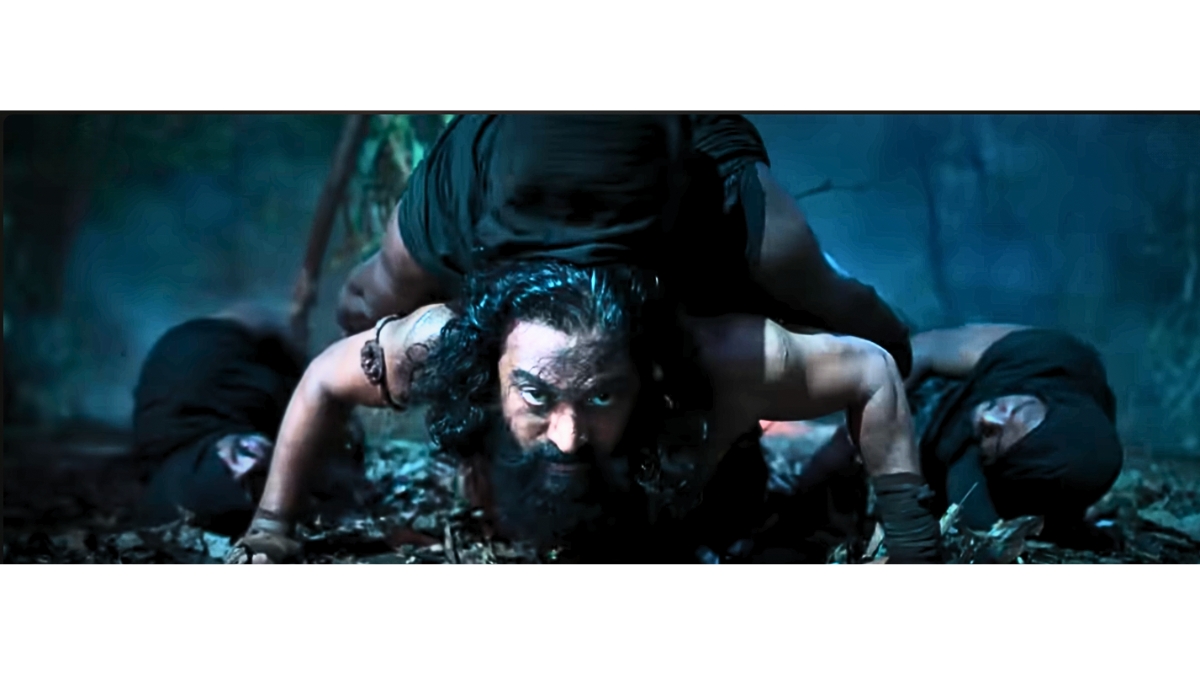
Lead performances anchoring the spectacle: Shetty’s Berme commands presence; his physicality, emotion, and internal fractures are palpable. Rukmini Vasanth matches him, holding her role with dignity and layered agency. Jayaram and others bring depth, especially when resonance is needed in quieter moments.
-
Technical mastery: The film’s immersive world owes much to its visual design, soundscape, and editing. Yes, it’s loud. Yes, it’s dramatic. But for the most part, those choices feel deliberate.
-
Word-of-mouth momentum: Early reviews are overwhelmingly positive; social feeds are ablaze with praise. Many viewers are calling it a spiritual, cinematic experience that demands the big screen. North American premier shows reportedly crossed half a million USD in collections.
Cracks in the Mythic Facade
-
Draggy stretches & pacing fatigue: While the first act earns you, there are moments mid-second half where the film lags. Scenes that dwell too long, narrative detours that feel more ornamental than necessary — these slow the momentum. Some critics noted that parts of the storyline feel “overstuffed” or too ambitious in exposition.
-
VFX inconsistency: When the film leans fully into visual spectacle, the results largely impress. But a few sequences betray limitations — compositing flaws, sketchy CGI edges — which momentarily break immersion. Critics flagged this as a minor but noticeable shortcoming.
-
Conversational and comedic missteps: Some dialogues or attempts at levity feel jarring against the somber, mythic tone. A few audience voices on social media suggest that comic relief doesn’t always land, sometimes diluting tension rather than lifting it.
-
Overhype burden: The 2022 Kantara ambled into folklore-myth territory with freshness. Now, the expectations are colossal. Some voices warn that the film leans too heavily on legacy — that it expects emotional returns based on name brand alone. One particularly scathing reaction on social media called it “overhyped, with poor writing.”
Also worth noting: in production, there’s been controversy. The tragic death of a junior artist on set (MF Kapil, drowned in a river) had stirred calls for greater safety protocols. and earlier reports about a boat capsizing while filming were publicly denied by the team. These incidents shadow the glamour, reminding audiences of cinema’s real risks behind art.
Box Office, Projections & Stakes
-
As per Sacnilk, Kantara: Chapter 1’s pre-sales rocketed to ₹19.44 crore (gross) — breaking into the top 10 advance bookings of 2025. Koimoi
-
Early reports place Day 1 collection (India net) around ₹18.8 crore by afternoon. Some analytic estimates suggest the film might touch ₹30–40 crore net, propelled by Dussehra holiday footfalls and strong single-screen traction.
-
Overseas, its premiere shows in North America surpassed US$500,000 — a promising marker for its pan-India and global ambitions.
-
In trade commentary, Kantara: Chapter 1 is being positioned as one of 2025’s last viable contenders for the ₹1,000 crore club. But even optimistic voices admit that’s a tall order — especially given the early underwhelming advance booking in the Hindi belt.
-
Its runtime is 168 minutes (a long haul for mainstream audiences). The certification is U/A, which may slightly limit audience segments.
So far, the film’s theatrical gamble is paying off, especially in its core Kannada market and among cinephiles. But its long-term fortunes will pivot on sustained word-of-mouth, evening occupancy, and multilingual pull.
If I Had to Write the Press Note (Polished, Not Pretentious)
Kantara: Chapter 1 is not just a prequel — it’s a metamorphosis. With Rishab Shetty at the helm, the film recasts mythology, folklore, and faith into a living, breathing world. The visual palette, soul-stirring score, and lead performances converge to deliver an epic rooted in emotion. Sure, the film strains at edges: pacing sag, VFX inconsistencies, occasional tonal misfires. But its wounds are minor compared to its majesty. With advance bookings already crossing ₹19 crore and global previews making waves, Chapter 1 may well be the folklore resurgence Indian cinema needs this year.
Final Take: Should You Watch It?
Yes — Kantara: Chapter 1 is worth your theatre seat and your emotional investment. If you crave spectacle, myth, lush ambition, and a film that dares to make you believe in gods again, it delivers. But go in with tempered expectations: the journey is uneven, occasionally over-earnest, and asks that you surrender to its worldview more than question it.
On balance, I’d rate it 4 / 5 stars — a film that hovers near greatness, stumbles just slightly, but dazzles often enough to redeem itself.
If it sustains box office momentum and avoids the “was great but I expected more” whisper, it might be spoken of for years — a legacy extension worthy of the original Kantara.