
“This policy exemplifies how collaboration between landowners and authorities can lead to sustainable urbanization and economic revitalization.” – Jagmohan Garg
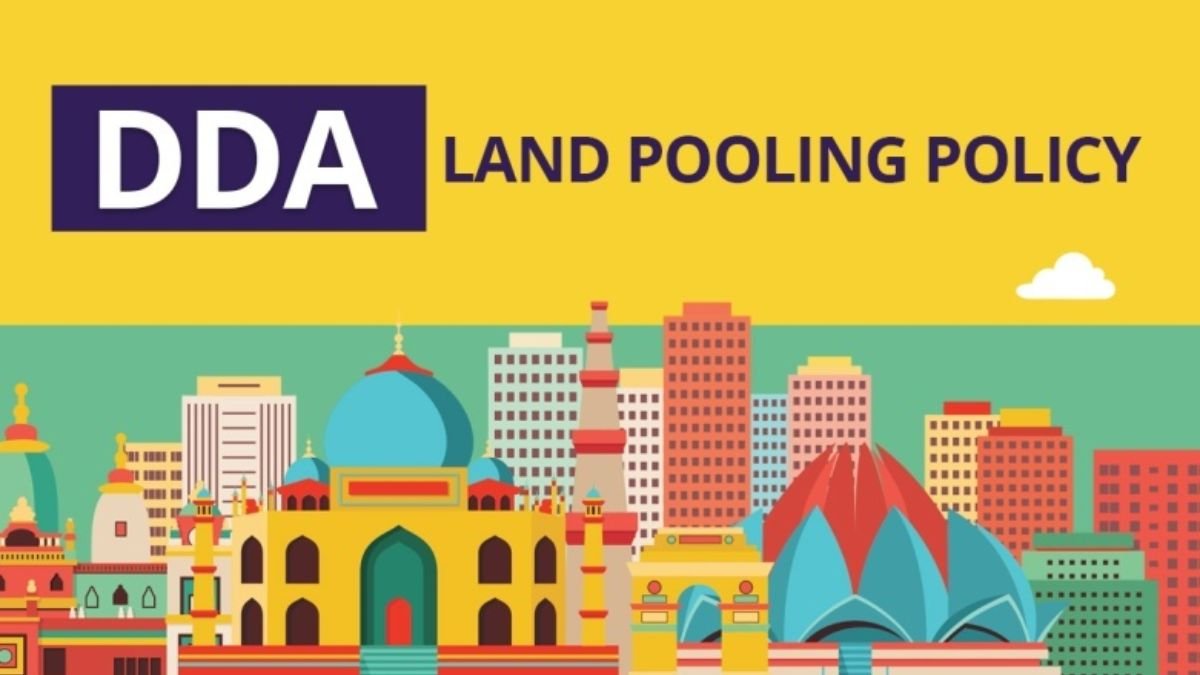
New Delhi [India], April 24: The Delhi Land Pooling Policy, introduced by the Delhi Development Authority (DDA), is a transformative initiative aimed at unlocking large parcels of land for development, thereby addressing the challenges of rapid urbanization and infrastructure development in the nation’s capital. This policy has gained momentum, offering a promising solution for planned urban growth and sustainable housing.
Jagmohan Garg, a prominent figure in the Real Estate Industry and Director of Tirupati Infraprojects discusses the Land Pooling Policy.
Background and Objectives
Delhi, with its burgeoning population, faces immense pressure from rapid urbanization. The traditional method of land acquisition through government compensation has proven inefficient due to legal disputes and uncompetitive compensation rates. In response, the DDA has shifted its role from a developer to a facilitator, promoting public-private partnerships to accelerate urban development. The Land Pooling Policy is designed to aggregate small land pieces into larger plots, facilitating the development of essential infrastructure such as roads, water supply, sewage systems, and drainage.
Under this policy, landowners pool their parcels into a larger land bank. After infrastructure development, a portion of the land is returned to the original owners or developers. The return ratio varies based on the size of the land contributed, with smaller plots receiving 48% of the land back and larger plots receiving up to 60%. This approach ensures that landowners benefit directly from the development process while contributing to the city’s growth.
“Land pooling is a visionary approach that not only unlocks the potential of underutilized land but also fosters sustainable and inclusive urban growth. By aggregating small parcels into larger, more manageable plots, this policy paves the way for planned infrastructure development, affordable housing, and economic revitalization.”
“It represents a significant leap forward in addressing the challenges of rapid urbanization, ensuring that cities like Delhi can evolve into vibrant, livable spaces that meet the needs of their ever-growing population.” Believes Jagmohan Garg
Benefits and Challenges
The policy offers several benefits, including the promotion of planned development, increased land availability, and economic growth. It is expected to unlock around 40,000 acres of land, primarily in outer Delhi areas like Bawana, Najafgarh, and Narela, thereby increasing land availability for housing and commercial projects.
However, the policy faces challenges such as the holdout problem, policy paralysis, and environmental concerns. The reduction in Floor Area Ratio (FAR) from 400 to 200 has also been criticized for potentially undermining the objective of increasing land supply and reducing property prices.
Master Plan Delhi 2041: A Framework for Future Development
The Master Plan Delhi 2041 (MPD-2041) is a strategic framework designed to guide the city’s future growth, emphasizing sustainability, inclusivity, and innovative interventions such as transit-oriented development hubs and land pooling. Despite its approval by the DDA, the plan’s notification has been pending with the Ministry of Housing and Urban Affairs for over a year.
This delay has hindered the implementation of policies like land pooling, which are integral to the plan. The MPD-2041 aims to address urban planning challenges, including the regularization of unauthorized colonies and the regeneration of older built environments.
Jagmohan Garg says, “Recent developments suggest that there is renewed hope for the Land Pooling Policy to gain momentum. The application window for participation under the policy has been extended multiple times, indicating ongoing efforts to engage landowners and developers.”
Additionally, the Supreme Court’s notice on a Public Interest Litigation seeking the implementation of Land Pooling and Green Development policies highlights the urgency and importance of these initiatives for Delhi’s sustainable development.
As Delhi continues to grow, the Land Pooling Policy and the Master Plan 2041 are crucial for shaping the city’s future. While challenges remain, the potential benefits of these initiatives are substantial.
With ongoing efforts to address bureaucratic hurdles and environmental concerns, there is optimism that these policies will contribute to a more sustainable, livable, and vibrant Delhi. The implementation of these policies will be closely watched by urban planners, developers, and residents alike, as they hold the key to transforming Delhi into a model city for urban development.
Disclaimer: Views expressed above are the author’s own and do not reflect the publication’s views.


 Divya Agarwal