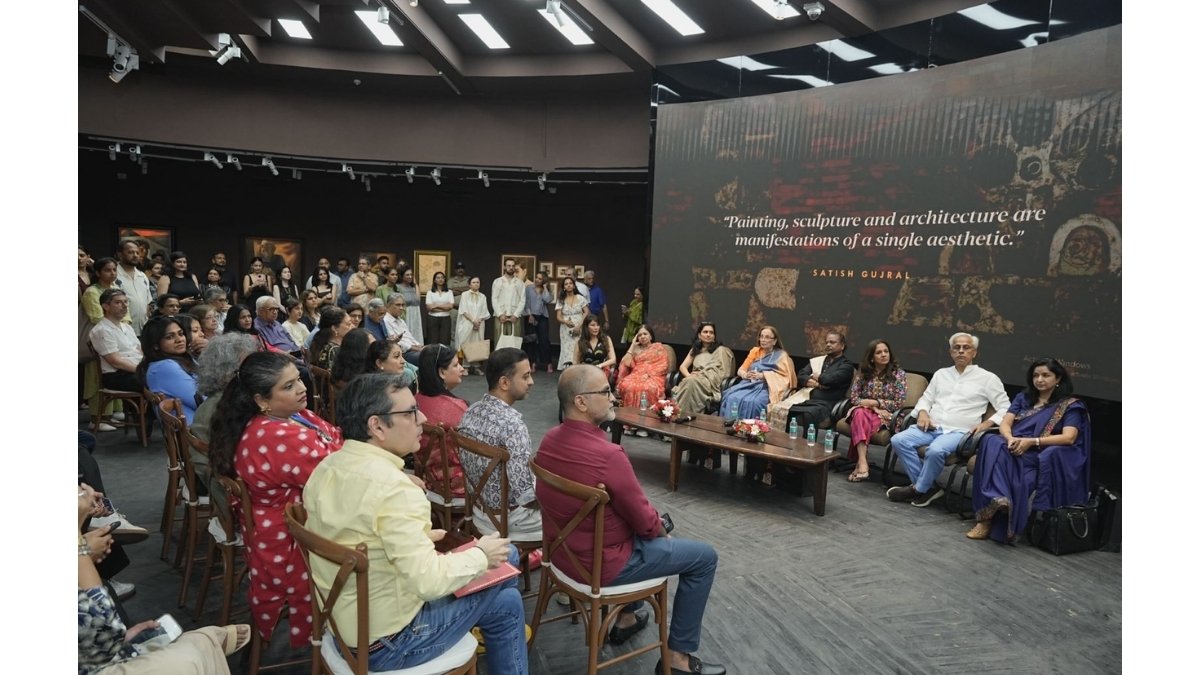

BMJ Research Forum South Asia 2026 will bring researchers, clinicians, policymakers and healthcare leaders together to examine how evidence can be translated into better healthcare
New Delhi [India], August 27: India’s health research ecosystem has grown significantly, with more research activity and rapid developments in areas such as digital health and artificial intelligence.
But generating evidence is not the end of the story. The real test is whether good evidence changes the way care is delivered, informs policy and ultimately benefits patients.
That question will be at the centre of the BMJ Research Forum South Asia 2026, to be held in New Delhi on 5 September 2026.
Convened by BMJ, the Forum aims to bring together diverse perspectives of researchers, clinicians, policymakers, healthcare leaders and innovators for a day of discussion on what helps and what gets in the way when research moves from a paper or dataset into a hospital, health programme or policy decision. The programme will cover research-to-policy translation, implementation science, real-world evidence, community participation, research integrity and the use of AI in health research.
Major General (Prof) Dr Atul Kotwal, ICMR-Dr A S Paintal Distinguished Scientist Chair and President, IAPSM, will deliver the keynote address, “Translating Evidence into Health System Impact: Building the Foundations for Policy, Programmes and Practice.”
Dr Kamran Abbasi, Editor-in-Chief, The BMJ, will open the forum
The Forum will feature leading voices including Dr Soumya Swaminathan, Chair, M S Swaminathan Research Foundation and former Chief Scientist, WHO; Padma Shri Dr Abhay Bang, Co-founder, SEARCH; Professor (Dr) Narendra Kumar Arora, Chief Scientist & Mentor, The INCLEN Trust International and President, AIIMS Bilaspur; and Dr Upasana Arora, Managing Director, Yashoda Group of Hospitals. Senior leaders from ICMR, AIIMS, NABH, Koita Foundation and other research and healthcare institutions will also participate.
One of the key discussions, “Translating research into practice: institutional pathways to real-world impact in India,” will look at a problem familiar to many research institutions: good work is being done, but getting it adopted at scale can be difficult. The session will examine the role of institutional culture, governance, collaboration and implementation science.
Another session, “From evidence to implementation: An Indian research-to-policy journey,” will examine how research findings can inform guidelines, policy and clinical practice. A separate “Community Voice Panel: Nothing About Us Without Us” will bring patients and communities into the conversation on how research priorities are set and how research is carried out.
AI will have a designated place on the agenda. In “AI and the Future of Health Research: Opportunity, Risk and Responsibility,” Mr Rizwan Koita will lead a discussion on the growing use of AI in research, alongside questions around ethics, transparency, scientific integrity and trust.
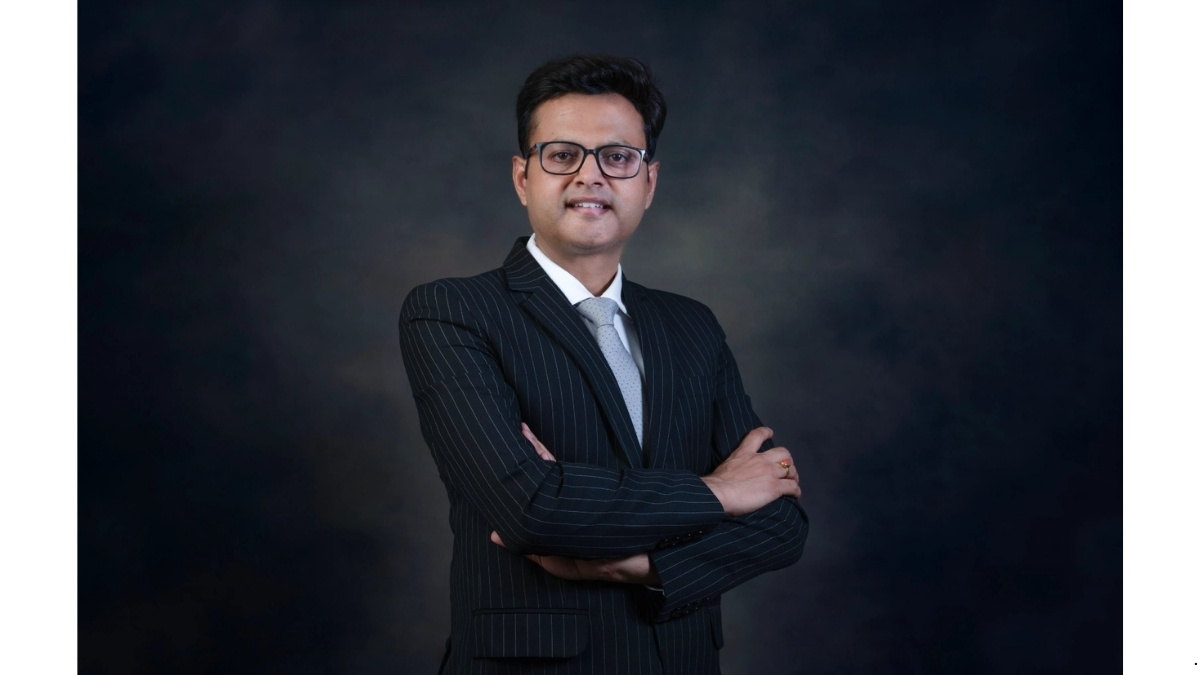
“India has no shortage of research or research talent. The bigger opportunity is to close the gap between evidence and implementation. The real measure of research success is whether it changes clinical practice, informs policy or improves outcomes for patients,” said Dr Prashant Mishra, Managing Director, BMJ India & South Asia.
The Forum will also feature an abstract spotlight session and poster competition, with five top-rated abstracts presented as short talks. Outstanding posters and abstracts will be recognised during the closing plenary.
From research to recognition. The conversation will continue into the evening with the 7th edition of the BMJ Awards South Asia 2026.
The Awards recognise individuals and healthcare teams for work across patient care, research, medical education, innovation, sustainability and healthcare leadership.
For BMJ, both platforms share the same broader focus: better evidence, better healthcare and better outcomes for patients.