
New Delhi [India], January 9: India’s heritage has come back after 127 years. That statement demands context, depth, and accuracy. This is not a feel-good headline. It is civilisational restitution.
The Piprahwa Relics: Where the Story Begins
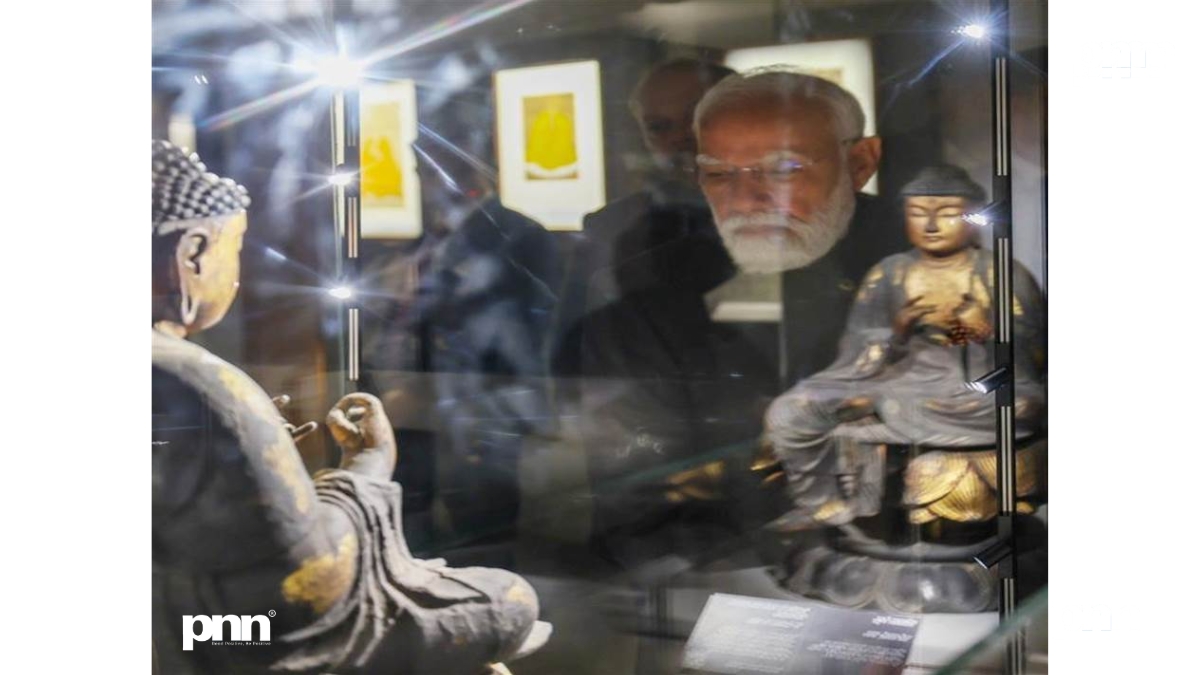
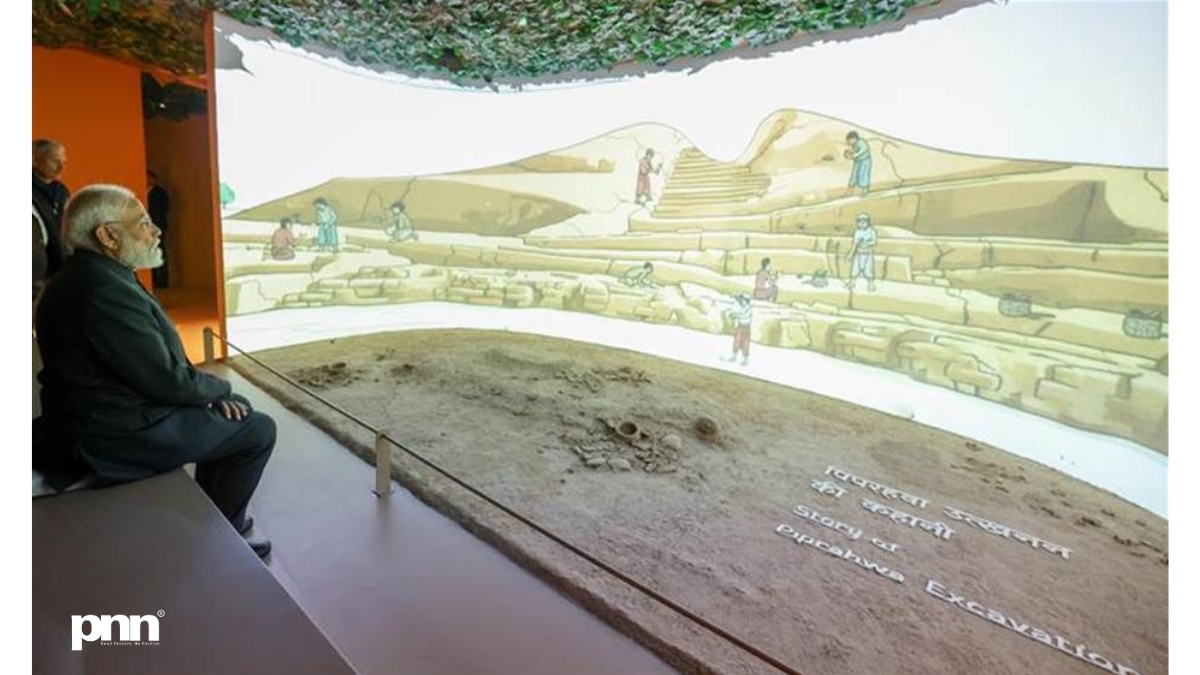
The Piprahwa relics were first discovered in 1898 by British engineer William Claxton Peppé at the ancient Piprahwa stupa in today’s Siddharthnagar district of Uttar Pradesh.
The site lies close to ancient Kapilavastu, widely regarded as the childhood home of Gautama Buddha.
These were not ornaments. They were reliquaries.
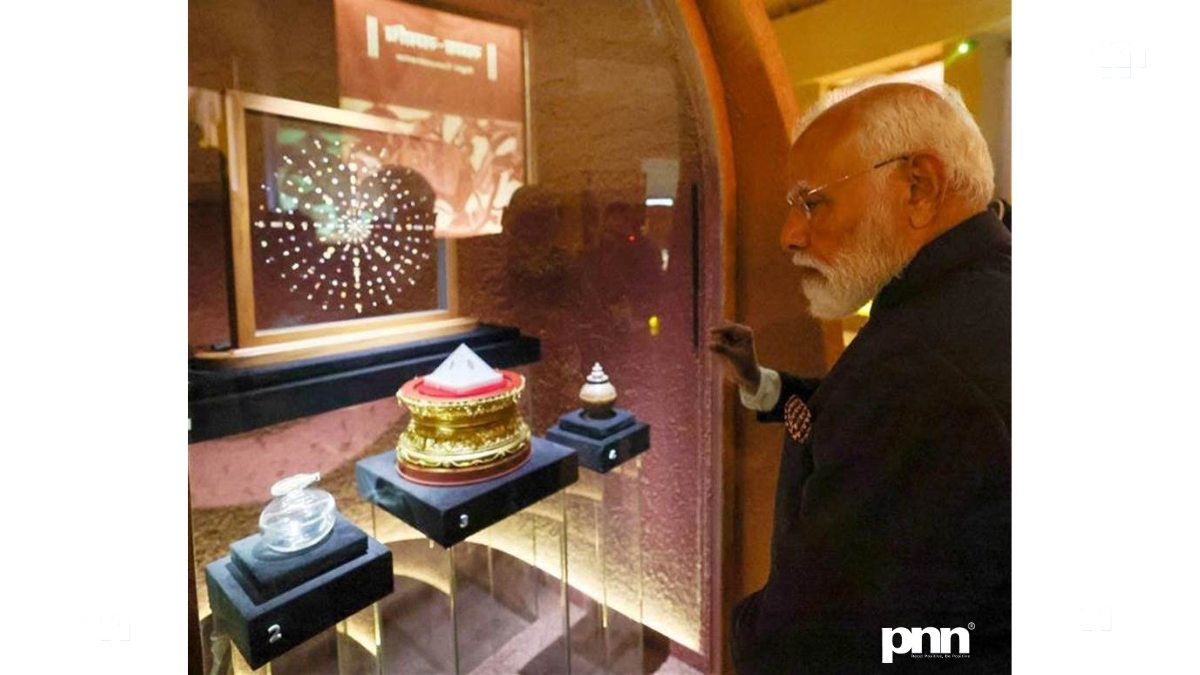
The discovery included crystal caskets, garnet and gold ornaments, and charred human remains, marked by inscriptions referring to the Sakya clan, the clan of the Buddha himself.
This is not generic antiquity. These are among the most direct archaeological links to the life and legacy of Lord Buddha.
After 127 years abroad, the relics have returned to the land where they were first unearthed.
How They Came Back: A Multi-Front Intervention
Historical records show how the relics left India during the colonial period and entered foreign collections and museums. In 2025, parts of this priceless group surfaced at a foreign auction in Hong Kong.
That development triggered a coordinated national response involving the Ministry of Culture, Indian diplomatic missions abroad, and the International Buddhist Confederation, with support from global Buddhist networks.
The position taken was direct and unambiguous. These relics were not viewed as tradable assets but as sacred heritage belonging to India.
This episode reflects a larger shift. Heritage is no longer treated as a historical footnote but as a living legacy requiring active protection.
Piprahwa Relics: More Than Bones and Jewels
These are not collectable antiques. The Piprahwa Relics occupy a far deeper place in India’s civilisational record.
Archaeological studies confirm that the inscribed stone coffer directly links the remains to the Sakya clan. The presence of charred remains, crystal reliquaries, and gold and gemstone ornaments establishes both the religious and historical importance of the Piprahwa Relics.
Across Buddhist traditions in Asia, the Piprahwa Relics are objects of veneration. Their return is not driven by nationalism alone. It speaks to continuity of faith, collective memory, and civilisational responsibility.
A Public Exposition: The Light and the Lotus
The Government of India chose to make this return a public event.
At the inauguration of the international exposition titled The Light and the Lotus: Relics of the Awakened One at the Rai Pithora Cultural Complex in New Delhi, Prime Minister Narendra Modi underscored the importance of the moment, noting that after 127 years, India’s heritage had come home.
The relics are being publicly displayed, allowing people to see, reflect, and connect. Heritage confined to storage loses meaning. Heritage shared becomes alive.
Not Archaeology, But Cultural Diplomacy
This development is as much diplomatic as it is cultural.
Some of the artefacts were on the verge of being auctioned abroad. India responded through legal measures, diplomatic engagement, and coordination with international partners. The process was structured, transparent, and institution-led.
This was not a symbolic negotiation. It was a policy executed with clarity and intent.
What This Means for India’s Living Heritage
Buddhism originated in India, yet its origins are often diluted in global narratives. The return of the Piprahwa relics reinforces India’s role as the custodian of Buddhist civilisational heritage.
It strengthens cultural identity, enhances soft power, supports religious tourism, and provides new avenues for academic research and global Buddhist engagement.
India is not merely a country with history. It is reclaiming its place in shaping civilisational memory.
What Comes Next
The relics are currently displayed with a documented historical timeline that traces their journey from discovery in 1898 to repatriation in 2025 and public exhibition in 2026.
Future plans include permanent enshrinement at key Buddhist sites such as Sarnath, Kushinagar, and along the Kapilavastu corridor. This is expected to strengthen the Buddhist circuit, particularly in Uttar Pradesh, benefiting both heritage conservation and local economies.
Why India’s Heritage Return Is More Than a News Event
It took 127 years to bring these relics home. That fact alone reflects the scale of cultural loss during the colonial era.
What stands out is that India did not abandon the claim. Through institutional coordination and sustained diplomatic effort, the country achieved something uncommon in heritage restitution.
This is not just legacy restored. It is a working blueprint for future repatriations.
Quiet, firm, and effective.
Prime Minister welcomes return of sacred Piprahwa relics after 127 years
https://www.narendramodi.in/prime-minister-narendra-modi-welcomes-return-of-sacred-piprahwa-relics-after-127-years-595858