
New Delhi [India], July 17: These days, it seems like everyone’s either got their eyes stuck to a screen or is lost in their own pace. Neighbors who’ve lived on the same street for ages might not know each other at all—just a quick nod in passing, if that. But now, something’s shifting. More community-run events are cropping up, and they’re giving people chances to actually meet up, talk, and feel like they belong.
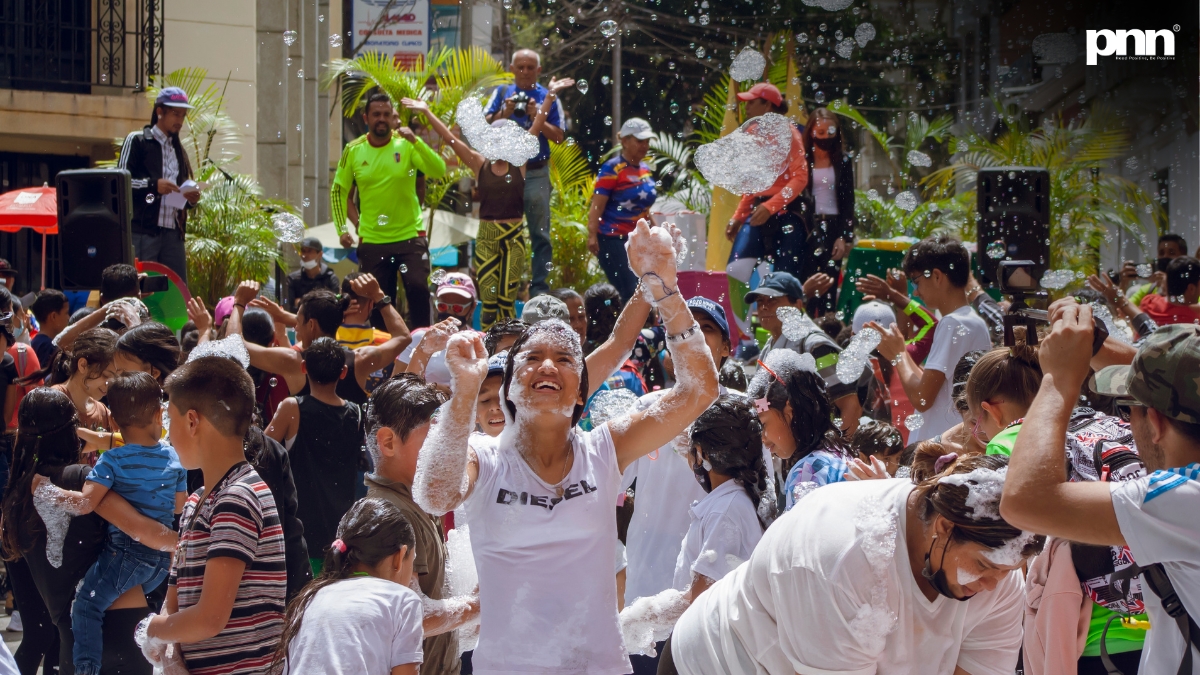
Things like neighborhood festivals, street markets, cleanups, pick-up soccer matches, book clubs, cultural nights—you name it. These local gatherings are pulling folks out of their homes and putting them together. The beauty is, they’re not fancy: just neighbors, volunteers, and local groups making them happen, not some big company or paid crew. That’s what makes them inviting. It’s not about the size; it’s about everyone feeling comfortable showing up.
Here’s the thing: these events kickstart conversations nobody expected. The person running a food stall ends up talking to the family from two houses over. Parents hanging around at a kids’ art class discover they both love tomato gardening. Or maybe the neighbor who’d gone quiet for months shows up for music night and suddenly reconnects. Small moments, but they change things. Trust grows, neighbors keep each other in the loop, and help gets offered without anyone asking.
Honestly, when you know who’s nearby, the whole block feels safer and friendlier.
It also does something special across generations. Usually, kids, adults, retirees—they stick to their own circles. But give them a festival or a group project and suddenly, everyone finds their spot. Seniors swap gardening secrets, teens teach someone how to use an app. Everybody brings something, and it makes folks feel valued instead of sidelined.
And it goes beyond making friends. These gatherings become places for creativity. People bring homemade food, art, music, stories—whatever matters to them—without needing a stage. A tiny art show shines a spotlight on somebody local. Storytelling circles and holiday nights keep traditions alive, right there on the block.
Kids especially get a lot out of this. It breaks up the old school–screen–sleep cycle. They get to help out, try new things, and work side-by-side with people of all ages. Those lessons stick with them.
Plus, local businesses win, too. Pop-up markets and weekend fairs let small shop owners and bakers meet new customers who live just around the corner. That keeps money moving in the neighborhood and reminds everyone of the talent already nearby.
You don’t have to go big or spend a ton, either. Sometimes, a shared breakfast, a book exchange, or a tree-planting day is enough to spark something. What matters most is keeping it regular and making sure everyone knows they’re welcome.
Letting more people help organize changes things, too. Ask for suggestions, share jobs out, involve all age groups. Suddenly, it’s not “their event”—it’s everyone’s.
Of course, technology gives a hand—group chats and social pages keep people updated, share photos, make inviting simple. But the best connections still happen face-to-face.
No, community events aren’t a magic solution. But they warm up the neighborhood and bring people out of their shells. You don’t have to join a club across town or travel to feel at home. Sometimes it’s just about showing up, chatting with someone new, or pitching in for an hour.
As daily life speeds up and loneliness creeps in, these events remind us what’s important. They turn ordinary streets and parks into places where people feel seen. That’s how strangers turn into neighbors, and neighborhoods start to feel like actual communities again.