


New Delhi [India] October 14: India has long grappled with the challenge of efficiently storing its abundant food grain harvests. Historically, India’s grain storage has been dominated by conventional warehouses and open-air (CAP) storage facilities. While these antiquated storage methods have served their purpose, they have also been prone to significant losses due to exposure to the elements, pests, and other environmental factors. In the ever-evolving world of agricultural storage solutions, grain silos have emerged as a game-changer, offering a multitude of advantages that transcend traditional warehousing methods. As the food sector navigates the challenges of increased productivity, cost-effectiveness, and sustainability, these towering structures have proven to be the answer to a multitude of pressing concerns.
Keeping pace with the technological changes, the Department of Food & Public Distribution in collaboration with the Food Corporation of India has brought forth a promising solution – the creation of state-of-the-art Grain Silos through Public-Private partnership. This strategic move not only addresses the pressing need for improved storage infrastructure but also serves as a testament to the government’s commitment to strengthening the nation’s food security. The implementation of modern grain silos aims to mitigate the storage-related challenges and revolutionize the way India stores its vital agricultural commodities. Far more than just a storage facility, these towering structures have become the backbone of food security, offering a multitude of benefits that extend beyond their utilitarian purpose.
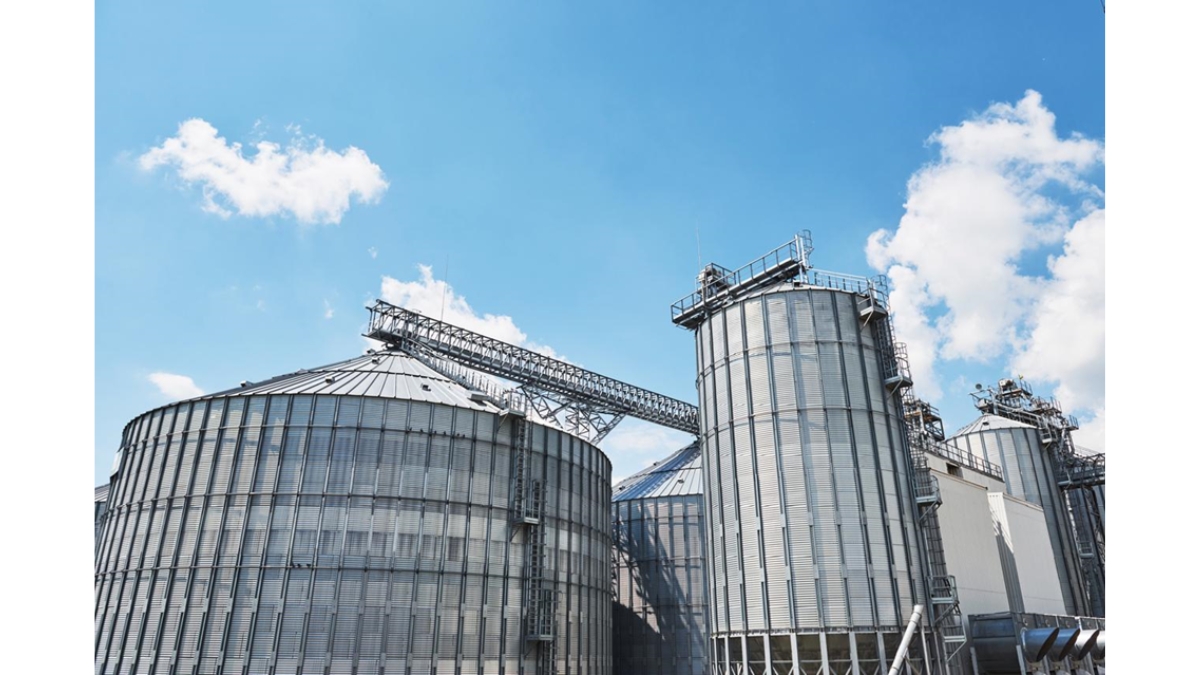
Optimizing Land Utilization:
One of the standout features of Grain Silos is their compact design. Standing tall at over 100 feet, these structures require significantly less land area compared to traditional warehouses. This compact footprint translates to substantial cost savings in construction and land acquisition, making them a more economical choice for the Government.
Automation and Mechanization:
Grain Silos are the epitome of modern, streamlined operations. With a fully automated and mechanized system, the handling of food grains is entirely automated, eliminating the dependence on manual labour. This not only reduces labour costs but also enhances efficiency, ensuring that the storage and processing of crops are carried out with precision and speed.
Bulk Handling and Cost Savings:
The bulk handling capabilities of Grain Silos offer a unique advantage. By storing and transporting food grains in bulk form, the need for costly gunny bags is eliminated. This saves a substantial amount of resources for national exchequers, as the mandi expenses associated with handling, cleaning, weighing, packaging, and transportation are significantly reduced.
Farmer-Friendly Benefits:
Grain Silos have proven to be a boon for farmers, who often face the challenges of the traditional mandi system. With the implementation of Silos, that are generally notified as ‘Silo Mandi Yard’ by the State Government, farmers can quickly sell their produce to agencies such as the Food Corporation of India (FCI) or State Procurement Agencies, without the need to wait for days to complete their transaction including payment. This frees up the farmer’s time and allows them to focus on their core agricultural activities.
Weatherproof Storage and Extended Shelf Life:
Grain Silos offer unparalleled protection against the elements, shielding the stored crops from the adverse effects of inclement weather. This safeguards the quality and nutritional value of the food grains, ensuring that they maintain their freshness for an extended period. Additionally, the controlled storage conditions within the silos contribute to a longer shelf life, further enhancing the overall storage efficiency and improving the storage life of country’s strategic reserve stocks.
Enhanced Food Security and Sustainability:
The widespread adoption of Grain Silos has far-reaching implications for food security and sustainability. By providing a reliable storage infrastructure, these structures facilitate the long- term preservation and distribution of staple food items, particularly in regions prone to shortages or famine. Furthermore, the efficient handling and preservation of grains promote sustainability by reducing waste and minimizing the environmental impact of the agricultural sector.
The government’s focus on developing silos has been a welcome step, as the initiative has primarily targeted the storage of wheat thus far. However, the true potential of this endeavour lies in its ability to expand beyond wheat and incorporate a diverse range of grains, including rice, maize, pulses, and millets. The diversification of the silo network to include a wider range of grains will have a profound impact on the government’s ability to address fluctuations in supply, weather patterns, and market dynamics, ultimately contributing to the country’s long- term food security and overall resilience of India’s food systems.
By creating state-of-the-art grain silos through public-private partnerships, the government has tapped into the expertise and resources of the private sector, ensuring the efficient and cost- effective development of these critical storage facilities. This collaborative approach not only leverages the latest technologies and best practices but also fosters a sense of shared responsibility in safeguarding India’s food security. As the country continues to make strides in this direction, the benefits will be felt across the agricultural value chain, from farmers to consumers. This strategic investment in storage infrastructure not only secures India’s food supply but also positions the nation as a global leader in sustainable and efficient food management.
The writer, Puneet Mehndiratta, is an Industry Expert & Vice President of Association of Silo Developers & Operators (ASDO)
If you have any objection to this press release content, kindly contact [email protected] to notify us. We will respond and rectify the situation in the next 24 hours.


 Divya Agarwal