
Mumbai (Maharashtra) [India], January 22: Gen Z didn’t wake up one morning and decide to be “mindful.” That would imply chaos first, clarity later. In reality, many of them grew up inside the chaos—financial instability, climate dread, digital burnout, algorithmic comparison, and a wellness industry that often sold guilt disguised as green juice. What emerged wasn’t rebellion in the loud, headline-friendly sense. It was ra estraint. Selective participation. A soft but stubborn refusal to self-destruct for the sake of aesthetics.
If millennials made wellness aspirational, Gen Z made it functional. Less preaching. Fewer miracles. More labels read. More questions were asked. And a noticeable willingness to opt out of alcohol, of excess sugar, of performative health routines that promise enlightenment but deliver anxiety.
This shift isn’t flashy. It’s disruptive in a much more inconvenient way: it changes what people buy, how often they buy it, and why.
The Origin Story Nobody Markets
Gen Z’s mindful consumption isn’t born out of privilege alone, despite popular assumptions. It’s shaped by precarity. Many entered adulthood during economic slowdowns, pandemics, and a wellness marketplace that had already peaked in absurdity.
They watched detox teas get sued.
They saw influencer fitness empires quietly collapse.
They learned early that “clean” is a word with no legal definition and plenty of emotional manipulation attached.
So instead of swallowing everything, they started interrogating it.
This generation doesn’t distrust wellness. It distrusts exaggeration.
Sober Curiosity Isn’t Sobriety—And That’s The Point
One of the most misread Gen Z trends is “sober curiosity.” It isn’t a prohibition. It’s experimentation without obligation.
Drinking, once positioned as a social requirement, is now optional. Alcohol hasn’t vanished; it’s been demoted. Mocktails, low-alcohol beverages, and alcohol-free spirits didn’t rise because Gen Z hates fun. They rose because Gen Z hates regret that lasts longer than the night.
The data backs this shift. In multiple global markets, alcohol consumption among younger adults has declined steadily since the late 2010s. Brands noticed. Reformulation followed. Marketing softened. The industry adjusted—not out of moral awakening, but survival instinct.
Internal Link Suggestion: Read: How The Beverage Industry Is Redesigning Social Drinking
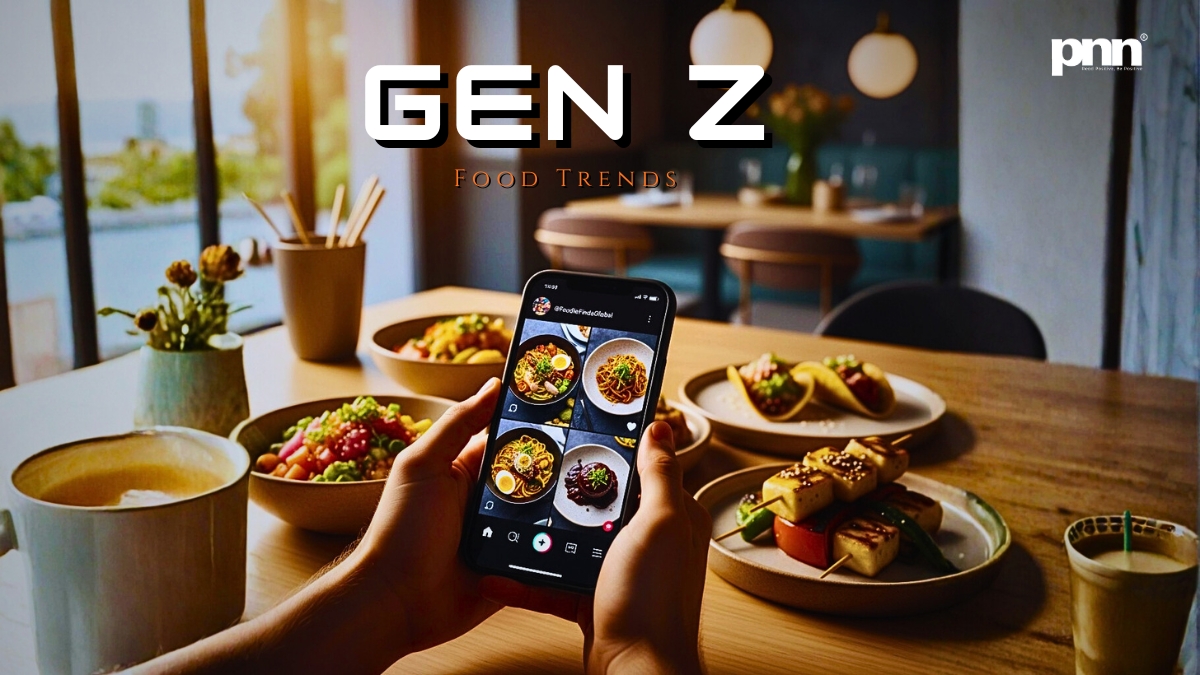
Food Isn’t Fuel Anymore—It’s A Relationship
Clean eating, for Gen Z, doesn’t mean asceticism. It means literacy.
They read ingredient lists the way previous generations read horoscopes. They care less about calorie counts and more about processing, sourcing, and transparency. Ultra-processed foods aren’t demonised—they’re contextualised.
What’s quietly radical here is balance. This generation is less interested in extremes. Veganism exists, but so does flexitarianism. Organic matters, but affordability still wins arguments.
The result? Food brands face an uncomfortable reality: Gen Z is willing to walk away. Loyalty is conditional. If a product overpromises or underdelivers, it doesn’t get a second chance—it gets unfollowed.
Wellness Without The White Noise
The wellness industry spent years shouting. Gen Z prefers subtitles.
Meditation apps now talk about stress, not enlightenment. Supplements lean into evidence, not mysticism. Fitness is framed as mental maintenance, not body punishment.
This is not accidental. Burnout culture hit Gen Z early. Many watched older generations glorify exhaustion and pay for it later. The response wasn’t laziness. It was a recalibration.
Rest is no longer a reward. It’s infrastructure.
Internal Link Suggestion: See Also: Why Rest Became A Productivity Strategy
The Economic Reality Behind Mindful Choices
Now for the part brands rarely highlight.
Mindful consumption costs more. Cleaner labels, sustainable sourcing, and smaller batches—these things add zeros. Gen Z knows this. It frustrates them.
There’s a growing tension between intention and access. While the desire for better food and wellness products is widespread, affordability isn’t. This creates a split market: premium mindfulness for some, compromised choices for others.
The risk? Wellness is becoming another marker of class, not health.
Brands that ignore this reality may win aesthetics but lose trust.
The Social Media Paradox
Gen Z is deeply online—and deeply sceptical of what they see there.
Wellness content still thrives on social platforms, but the tone has shifted. Perfect routines are mocked. Overly curated “day in my life” videos are dissected. Authenticity is demanded, even if it’s messy.
Ironically, this makes marketing harder. You can’t fake restraint. You can’t aestheticise moderation without looking ridiculous. And Gen Z can smell performance through a screen.
Sarcasm is their defence mechanism. Brands that take themselves too seriously don’t survive long.
What The Numbers Say
Globally, the wellness economy has crossed multi-trillion-dollar valuations, spanning food, fitness, mental health, and preventive care. But growth is uneven. Categories aligned with transparency, functionality, and moderation are outperforming those built on hype.
Investment has shifted toward:
-
Functional beverages
-
Gut health products
-
Mental wellness tools
-
Minimal-ingredient foods
Meanwhile, detox-heavy, miracle-claim segments are quietly shrinking.
Progress, but not perfection.
The Cultural Shift Nobody Can Reverse
Gen Z isn’t anti-pleasure. It’s anti-compulsion.
They still go out. They still indulge. But they want choice without judgment. Wellness, for them, is not a badge—it’s a boundary.
That boundary is reshaping menus, shelves, and marketing language. It’s forcing industries to mature. And yes, it’s inconvenient for businesses built on excess.
Which is precisely why it’s working.
Pros And Cons Of Gen Z’s Mindful Consumption
Pros
-
Greater awareness of health and long-term well-being
-
Reduced dependency on harmful habits
-
Increased demand for transparency and accountability
-
Shift toward sustainable, balanced lifestyles
Cons
-
Higher costs limit accessibility
-
Wellness risks becoming elitist
-
Information overload can cause decision fatigue
-
Brands may exploit “mindfulness” as another aesthetic
The Final Thought
Gen Z didn’t kill indulgence. It killed mindless indulgence.
In a world trained to consume first and reflect later, this generation reversed the order. Not dramatically. Not loudly. Just consistently.
And that may be the most disruptive consumer behaviour shift of all—one that doesn’t trend explosively, but changes everything underneath.