
SPONSERED
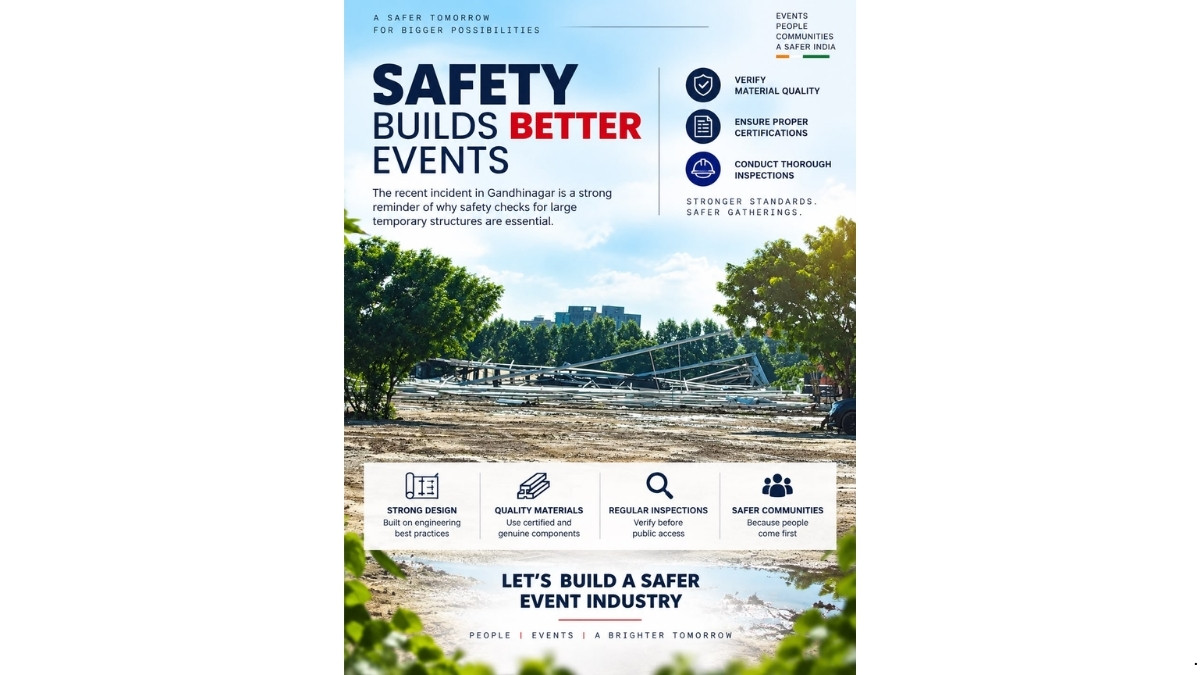
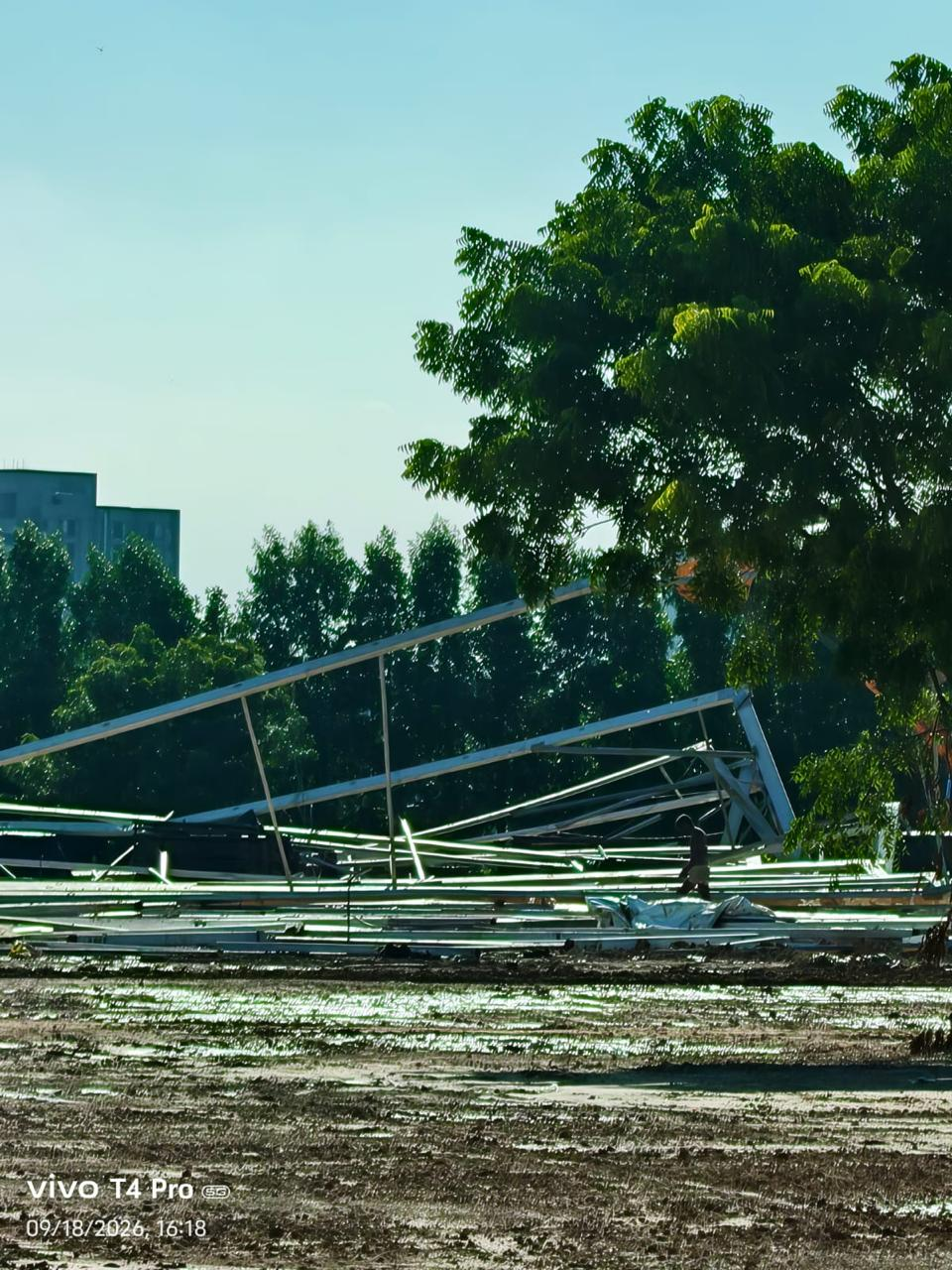
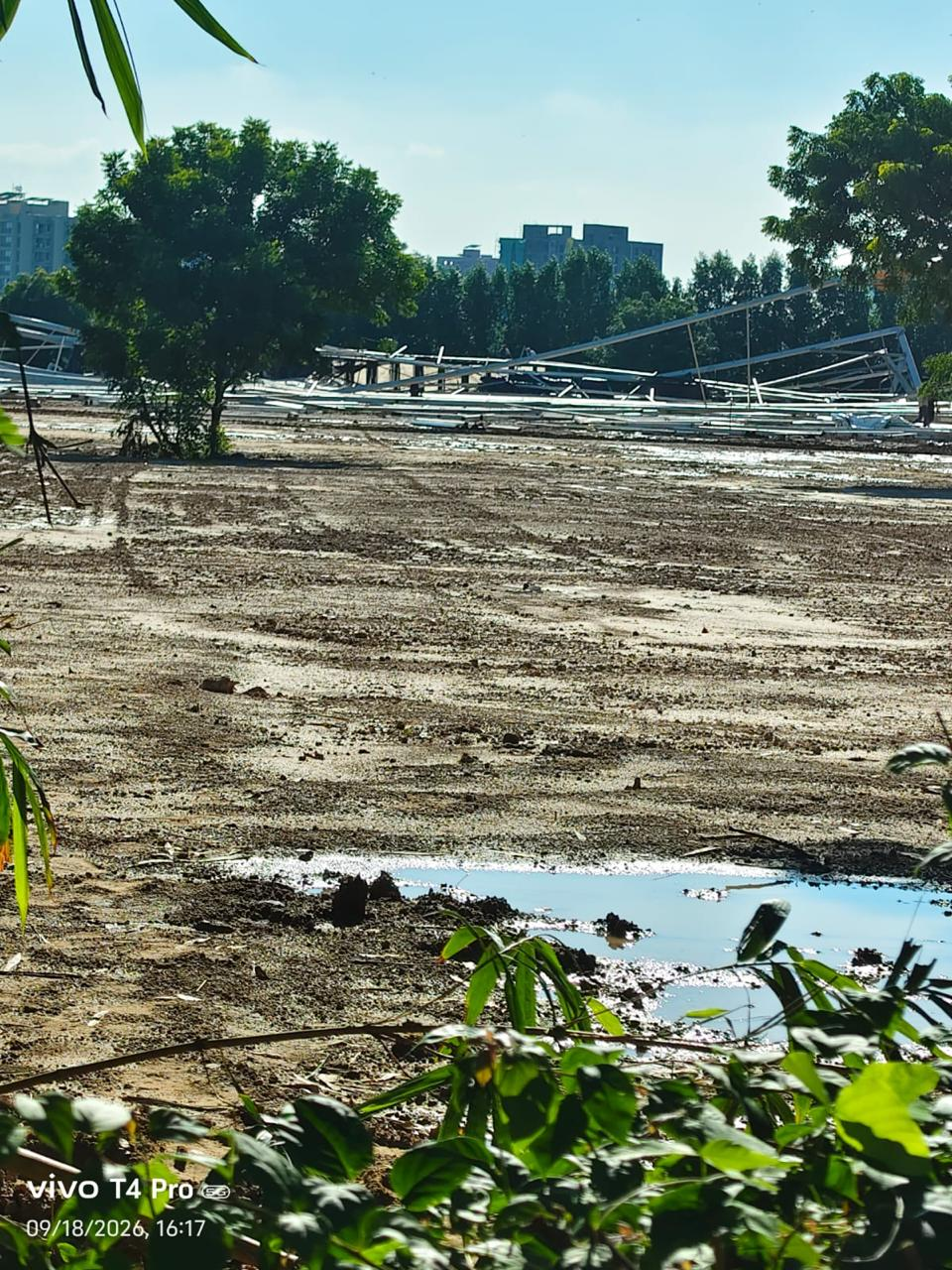
New Delhi [India], September 22: The reported collapse of a large German Hangar Tent structure at GIFT City, Gandhinagar, Gujarat, in the early hours of September 18, 2026, has brought renewed attention to the importance of structural safety and pre-event inspections for large temporary venues.
According to information circulating about the incident, the structure was approximately 60 × 100 metres in size and reportedly collapsed at around 4:30 AM. The aluminium framework and tent structure reportedly gave way across the site.
While the incident reportedly occurred before the scheduled public gathering, the scale of the structure makes it important to understand the technical circumstances behind the collapse. Temporary structures designed for large gatherings require careful assessment of their design, materials, anchoring systems, load capacity, wind resistance and installation.
The incident may therefore warrant a detailed technical examination by qualified structural and material experts.
One area that could provide important clarity is the documentation associated with the structure. Relevant authorities may review the Structural Certificate, Stability Certificate, Wind Load Certificate, approved drawings and other engineering documents to establish whether the structure installed at the site corresponded with the design and specifications that had been approved.
The material used in the structure may also be examined independently. According to information circulating about the arrangements, materials were reportedly sourced from BESTENT, while Diamond Aircon Services of Ghaziabad and Sushila Decorators or Emotion Event of Meerut have been mentioned in connection with the arrangements. The exact contractual and supply relationships between the parties should be established through official records and documentation.
Independent testing of the aluminium components could help determine their grade, specifications and physical condition. Such testing may also assist experts in understanding whether the reported deformation or breakage was related to material characteristics, structural loading, connections, installation or other factors.
Another aspect that may require verification is the wind-load assessment for the temporary structure. A structure of approximately 60 × 100 metres can be exposed to significant environmental forces, making anchoring, bracing and site-specific wind calculations important elements of its structural design.
If any IIT certification or IIT involvement has been cited in relation to the structure, material or design, the relevant documentation could also be independently verified. This would include establishing exactly what was examined or certified, the scope of the certification, the issuing authority and the date of the assessment.
It is important to distinguish between certification of a particular component, material, test or design and certification of an entire structure as finally installed at a particular location.
The circumstances surrounding the erection and inspection of the structure could also form part of the review. Investigators may examine whether the actual installation followed the approved drawings and whether critical elements such as foundations, anchoring points, joints, connectors, cables and bracing were inspected before the venue was intended to be used.
There have also been claims regarding the removal of videos or online material connected with the incident. These claims should be independently verified through available communications and other evidence before any conclusion is reached.
Rather than focusing solely on individual parties, the broader objective should be to examine the complete safety process—from engineering design and material procurement to certification, transportation, installation, inspection and final approval.
A transparent technical assessment could help establish the actual cause of the reported collapse and determine whether any improvements are required in the way large temporary structures are designed, installed and inspected.
The incident also highlights a wider lesson for event organisers and authorities: safety assessments should remain an essential part of preparing large temporary venues, particularly when they are intended to accommodate significant numbers of people.
Preserving the collapsed components, documenting the site, reviewing engineering records and conducting appropriate laboratory testing can help ensure that conclusions are based on technical evidence rather than speculation.
Ultimately, the objective should be to understand what happened at the Gandhinagar site, verify the relevant documentation and identify measures that can reduce the possibility of similar incidents in the future.
A thorough and independent technical review can provide clarity to organisers, contractors, engineers, authorities and the public while contributing to safer standards for large-scale temporary events.
Disclaimer: This is a sponsored article. The publisher is not responsible for the content, including the data and text. It has no role in its selection and is not liable for any actions taken based on this content.