
New Delhi [India], August 16: If you’ve ever crawled past Mukarba Chowk at 6 pm or found yourself stuck near Dhaula Kuan with the radio spitting the same ad again and again, you know the helplessness. Delhi’s traffic doesn’t just waste fuel. It eats patience. And time. And sometimes even your mood for the whole evening.
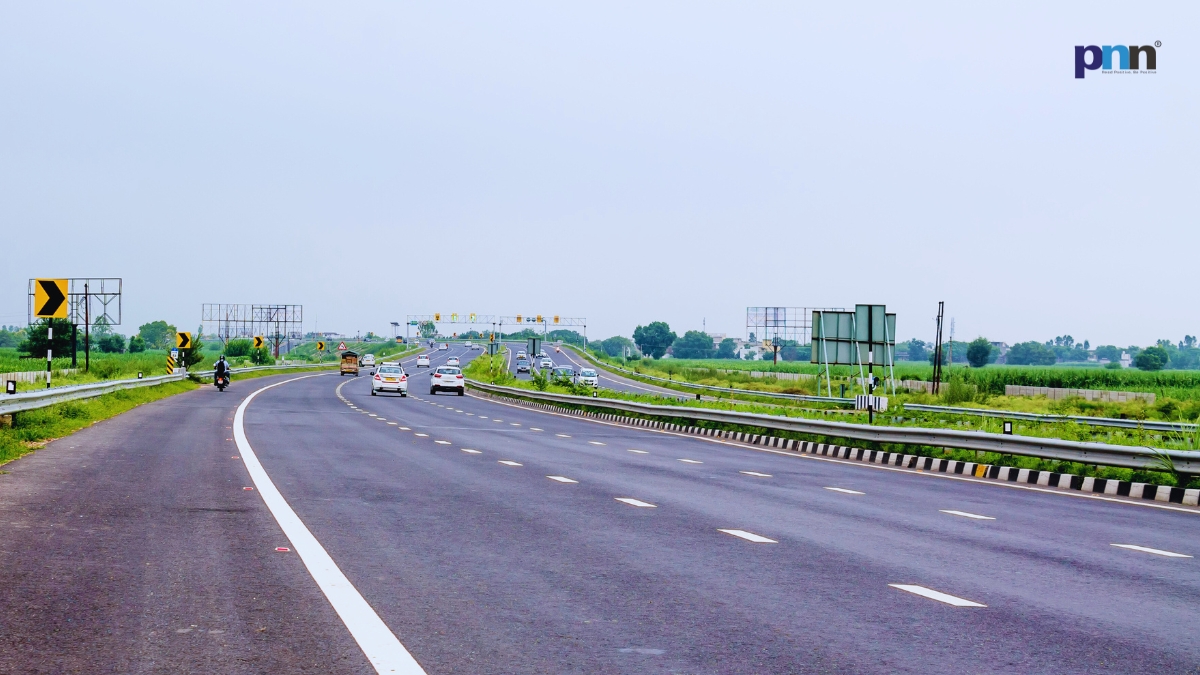
On 17 August 2025, Prime Minister Narendra Modi will cut the ribbon on two big projects that claim they’ll make this madness a little lighter: the Delhi section of the Dwarka Expressway and a long new stretch of the Urban Extension Road-II (UER-II). Together, about ₹11,000 crore worth of work. Big money. Big hope.
Dwarka Expressway: Delhi Joins the Loop
The 10.1 km Delhi stretch of Dwarka Expressway, costing some ₹5,360 crore, finally connects from Shiv Murti to the Haryana border. That means metro lines, the upcoming Bijwasan railway station, even the shiny Yashobhoomi convention centre are now stitched together.
Ask anyone who’s been driving from Dwarka to Gurugram daily. “Bhai, even 20 minutes saved feels like life given back,” said one office commuter while sipping chai at a roadside stall near Sector-21. You don’t need a traffic survey to know he’s right.
The Haryana part, about 19 km, was opened last year. With Delhi’s bit now ready, the road finally feels whole. And that’s a relief because half-finished projects are Delhi’s bad habit.
UER-II: Trucks, Please Go Around
The bigger beast here is UER-II. Costing nearly ₹5,580 crore, it’s a 40 km stretch with spurs going off toward Bahadurgarh and Sonipat. If Dwarka Expressway is for commuters, UER-II is for the trucks.
Delhi’s biggest problem? Not just cars. It’s heavy lorries cutting through the city. They choke NH-09, crowd the Outer Ring Road, and stall traffic at choke points like Azadpur. The new road is basically telling them: go around, not through.
One trucker at a dhaba near Bahadurgarh summed it up between bites of paratha: “If this saves me two hours of idling, that’s one extra trip in the week. My boss will smile, I’ll smile.” Simple economics, really.
And yes, fewer trucks in the centre means less pollution hanging over us in November. Will it fix the smog? No. Will it help? A little. And in Delhi, “a little better” is often the only realistic promise.
Why It Matters Beyond Asphalt
It’s easy to drown in numbers, ₹11,000 crore, kilometres here and there, but the real value lies in ordinary routines. Parents reaching school pickup on time. A student does not miss their metro change. A shopkeeper’s goods arrive before the weekend rush.
Delhi has built a culture around traffic jams. People leave early not because they want to, but because they must. A 40-minute ride often becomes 90. These highways won’t magically erase that culture, but they might shrink it. Even 15 minutes shaved off daily adds up to nearly four extra days a year not spent staring at tail lights.
Also, let’s not ignore money. Faster freight means cheaper logistics. Businesses along these corridors, warehouses, godowns, and industrial hubs suddenly become more valuable. Gurugram, Sonipat, Bahadurgarh, Dwarka… all could see growth ripple outwards.
The Bigger Canvas
Both projects are part of the Bharatmala Pariyojana, the Centre’s ambitious highway program. In Delhi’s case, think of it as a spider’s web forming: Eastern and Western Peripheral Expressways, parts of the Delhi-Mumbai Expressway, and now these two stretches.
You could say Delhi is being taught to breathe again, by pushing long-distance traffic outward and giving locals faster, cleaner links. But let’s be blunt. Roads alone can’t fix Delhi’s transport mess. They need strong upkeep, proper enforcement, and integration with buses and metros. Otherwise, in a few years, jams may creep back like old habits.
Summary
When PM Modi takes the stage in Rohini on 17 August, the speeches will sound familiar: “world-class infrastructure,” “ease of living,” “seamless mobility.”
Delhiites, however, will judge in their own way. Not by slogans. But by whether they can reach home for dinner without inventing another excuse. By whether Mukarba Chowk looks less like a parking lot. By whether kids in Dwarka see their parents arrive on time. In a city where lost hours have become normal, even one hour saved feels revolutionary. And that, more than ₹11,000 crore or shiny plaques, will decide how Delhi remembers this day.