
Mumbai (Maharashtra) [India], December 16: Once upon a time, privacy was implied. You bought a product, used it, and went about your day without assuming your behavior would be logged, modelled, sold, and re-marketed back to you with unsettling accuracy.
That assumption is now considered quaint.
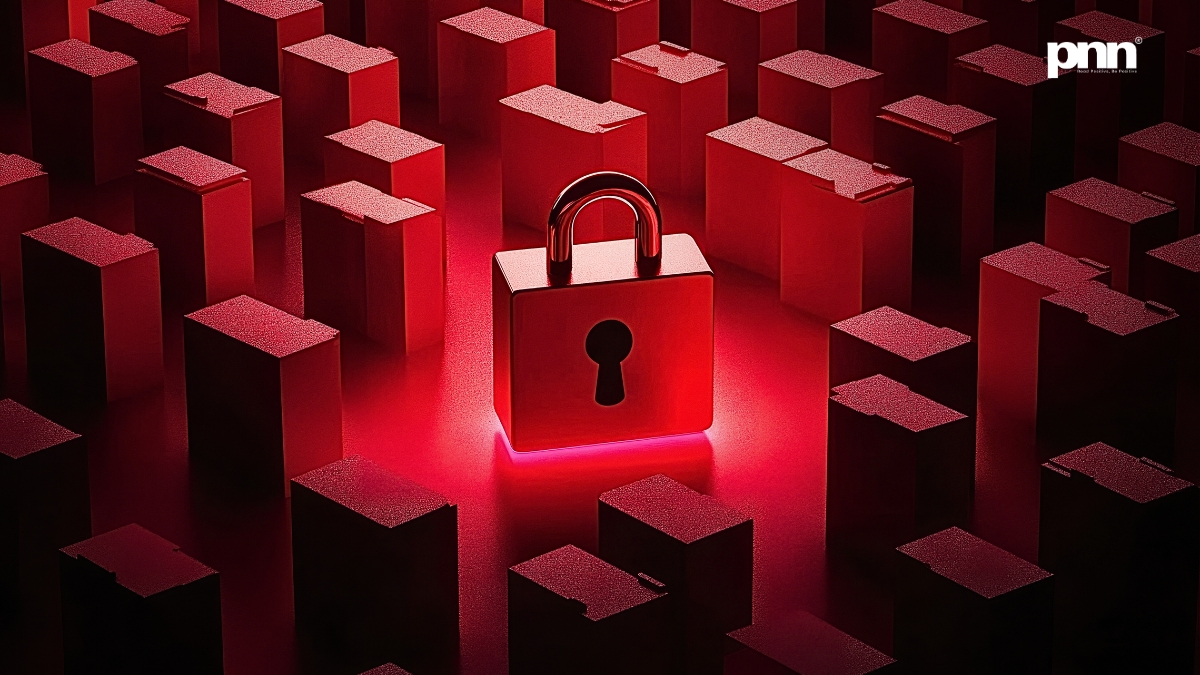
Today, consumer PC has been rebranded — not as a right, not even as a baseline expectation — but as a feature. Sometimes a premium one. Sometimes optional. Occasionally, it is hidden behind a paywall that smiles politely while doing it.
The message is subtle but consistent:
If you want fewer eyes on you, you’ll need to upgrade.
This didn’t happen because consumers suddenly became purists. It happened because trust became scarce, data became valuable, and regulation arrived late to a party that was already very profitable.
Now, companies are discovering something interesting — and slightly inconvenient: a growing segment of users is choosing products that promise restraint over reach, even if it means fewer features, slower innovation, or higher prices.
Privacy, it turns out, is developing a market.
How Privacy Became Aspirational
The early internet monetised attention. The modern internet monetises behaviour. Every click, pause, swipe, and hesitation feeds systems designed to predict what comes next — and, ideally, influence it.
Consumers tolerated this trade-off for years because the value exchange felt abstract. Free services. Smart recommendations. Convenient automation. It all seemed harmless enough.
Then came the leaks. The fines. The class-action lawsuits. The quiet realisation that “anonymous data” often wasn’t.
By the mid-2020s, privacy stopped being theoretical. It became personal.
And once something feels personal, it becomes emotional. Once it becomes emotional, it becomes brandable.
The Luxury Logic (and why it works)
Privacy is now being positioned the way craftsmanship once was:
not loud, not flashy, but exclusive.
Products that promise:
-
On-device processing instead of cloud dependence
-
Minimal data retention
-
No third-party tracking
-
Clear opt-out mechanisms
are increasingly framed as refined choices — not paranoid ones.
The pricing reflects that. Devices, services, and subscriptions that foreground privacy often cost more, do less, or move more slowly. And yet, they’re selling.
Globally, consumer spending on privacy-focused software, secure devices, and encrypted services has reached tens of billions of dollars annually, with steady growth even as broader tech adoption plateaus.
This isn’t mass-market rebellion. It’s selective defection.
Are People Really Paying For Privacy — or Just Applauding It?
Here’s where the narrative gets uncomfortable.
Surveys consistently show users say they care deeply about Personal insulation. Actual behavior is messier. Convenience still wins. Free still seduces. Defaults still go unchanged.
But something has shifted.
Consumers may not read every privacy policy, but they now notice:
-
When a product feels intrusive
-
When ads feel uncomfortably accurate
-
When permissions feel excessive
-
When explanations feel evasive
Trust has become fragile. And fragile trust changes purchasing behavior — slowly, unevenly, but meaningfully.
Privacy isn’t replacing features. It’s competing with them.
The PR Version (and why it’s only half wrong)
Brands are eager to frame this as empowerment. Personal insulation dashboards. Transparency reports. Plain-language explanations. Ethical positioning.
Some of this is genuine. Some of it is compliance theatre.
The line between real safeguards and marketing optics is thin — and consumers sense that. Encryption claims without architectural clarity. “We don’t sell your data” statements that quietly omit sharing. Opt-outs that require endurance.
Privacy branding works best when it’s boring, consistent, and verifiable — which is precisely why it’s harder to fake than many other tech promises.
The Downside Nobody Leads With
When User confidentiality becomes a premium feature, inequality sneaks in.
Users who can afford to pay:
-
Avoid aggressive tracking
-
Reduce data exposure
-
Choose restraint over reach
Those who can’t often subsidise the system with their information instead.
This creates a quiet hierarchy:
privacy for those who pay, surveillance for those who don’t.
It’s not malicious. It’s economic. But it raises questions regulators are only beginning to ask.
Where Regulation Helps — and Where It Doesn’t
Data protection laws have forced improvements. Consent mechanisms are clearer. Data minimisation is no longer optional. Fines have teeth.
But regulation sets floors, not ideals.
What’s emerging now goes beyond compliance. It’s cultural. It’s reputational. And it’s market-driven in ways legislation rarely is.
Personal insulation has become a signal of values, of control, of respect.
The Current Moment (late 2025 reality)
As of now:
-
Privacy-first products are gaining traction in hardware, messaging, browsers, and productivity tools
-
Enterprises are marketing “trust” as aggressively as performance
-
Consumers remain conflicted but more aware
-
Regulators are still playing catch-up
Personal insulation isn’t winning outright. But it’s no longer losing quietly.
Final Thought
Privacy used to be invisible.
Then it became negotiable.
Now it’s aspirational.
That progression should concern everyone — even those happy to pay the premium.
Because when privacy becomes a luxury, the question isn’t who can afford it.
It’s who can’t.