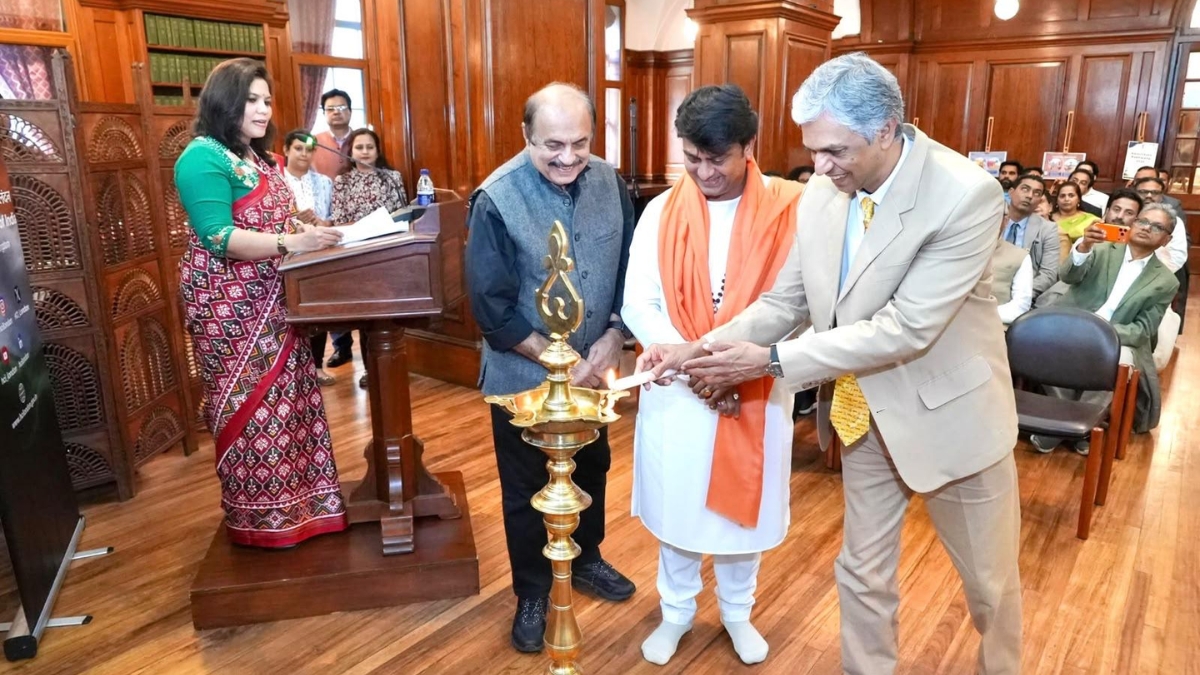


New Delhi (India), October 12: Columnist and political analyst Abhishek Gupta said that with the construction of a new Parliament building, India, the largest democracy in the world, is poised to significantly alter the political landscape of its nation. This large-scale undertaking symbolizes not only a physical transformation but also India’s dedication to democracy, advancement, and inclusivity. Since 1927, India’s legislature has met at the opulent Sir Edwin Lutyens-designed Parliament House, a remnant of the colonial era. However, as India’s population increased and its political climate changed, it became clear that a contemporary, cutting-edge, and larger legislative institution was needed. The famous architect Bimal Patel has created a stunning fusion of modernity and tradition with the new Parliament building. The Lok Sabha (House of the People) and the Rajya Sabha (Council of States) both are housed here, making up India’s Parliament. Mr. Abhishek said that the design, which draws inspiration from India’s rich cultural and architectural past, combines components from different parts of the nation to highlight how diversity can coexist peacefully. The eco-friendly and sustainable design of the new Parliament building is one of its most remarkable aspects. It is built with an emphasis on eliminating waste, harnessing renewable energy sources, and decreasing carbon impact. This demonstrates India’s dedication to resolving environmental issues and creating a more sustainable future.
The new Parliament building is technologically advanced in addition to being ecologically friendly. Mr. Gupta also added that as a result, parliamentarians can function more effectively and honestly. This includes contemporary communication methods, audiovisual amenities, and digital voting systems. Legislative procedures are streamlined with the introduction of digital interfaces, making it simpler for elected officials to interact with their constituents and approve legislation. More inclusive and accessible features have been included to the new Parliament building. All citizens are able to engage in the democratic process thanks to improved facilities for those with problems with mobility. This dedication to diversity reflects India’s desire to be a country where all viewpoints are heard and taken into account. The enhanced seating capacity of the new Parliament building is another noteworthy aspect. The larger facility ensured that the legislative process should suit the expanding needs of India’s democracy, as the Lok Sabha and Rajya Sabha are anticipated to have more members in the future. India’s dynamic and expanding political landscape is reflected in this expansion. Mr. Gupta then stated that however, the cost of construction is a major consideration. The project’s costs increased dramatically from its initial estimate of roughly 971 crore INR.
Critics around him contend that these funds could have been used more wisely to address essential problems including healthcare, education, and rural infrastructure. Parliamentary business was hampered and MPs were inconvenienced by the construction process itself. This impediment to the legislative process made it more difficult to pass significant laws and programs. Although the former Parliament building served as a symbol of modernity, its flaws, such as rising costs, resource diversions, environmental effects, and disruptions to lawmaking, raised important issues about its necessity and the distribution of resources in a nation facing a wide range of challenges. To make sure the project actually benefited India, a critical assessment is extremely necessary.
If you have any objection to this press release content, kindly contact [email protected] to notify us. We will respond and rectify the situation in the next 24 hours.