

New Delhi (India), April 17: In today’s competitive job market, a typical college degree is no longer a guarantee of employment. Employers are increasingly looking for graduates with both academic knowledge and the practical skills and industry-specific experience required to be productive from the start. To bridge the gap, Indian higher education institutions acknowledge the need for industry cooperation to increase graduate employability.
The Employability Challenge:
Despite a burgeoning higher education system, India faces a significant skill gap. A 2022 report by the World Bank found that only 24% of Indian graduates possess the skills employers deem essential. This mismatch between educational offerings and industry needs translates to high youth unemployment rates, hindering India’s economic growth potential.
Industry Collaborations: A Catalyst for Change
Fortunately, Indian universities and colleges are increasingly forging strategic partnerships with industry leaders. These collaborations create a win-win situation for both parties:
Benefits for Institutions: Industry collaborations allow institutions to:
- Refine Curriculums: By working with industry partners, institutions gain valuable insights into current and future skill requirements. This knowledge can be used to update curriculums, ensuring graduates possess the skill sets employers seek.
- Develop Industry-Relevant Programs: Collaboration can lead to the co-creation of specialized programs tailored to specific industry needs. This empowers graduates to hit the ground running upon entering the workforce.
- Enhance Experiential Learning: Industry partners can provide internship opportunities, guest lectures from industry experts, and real-world project work. This practical exposure allows students to apply theoretical knowledge and develop essential soft skills.
Benefits for Industry: Industry partners gain access to:
- Highly Skilled Talent Pool: Collaboration allows companies to connect with a pool of talented and motivated students. They can participate in campus placements and identify potential recruits with the specific skills they seek.
- Innovation Pipeline: Collaborations can foster joint research and development projects, fostering innovation and allowing companies to tap into fresh perspectives from aspiring professionals.
- Future Workforce Development: By engaging with students, companies can contribute to shaping the future workforce by influencing students’ career choices and promoting specific skills crucial for future industry trends.
Examples of Industry Collaboration Models:
Several models of industry collaboration are gaining traction in Indian higher education:
- Industry Advisory Boards: These boards, comprising industry leaders, guide curriculum development and ensure programs align with industry needs.
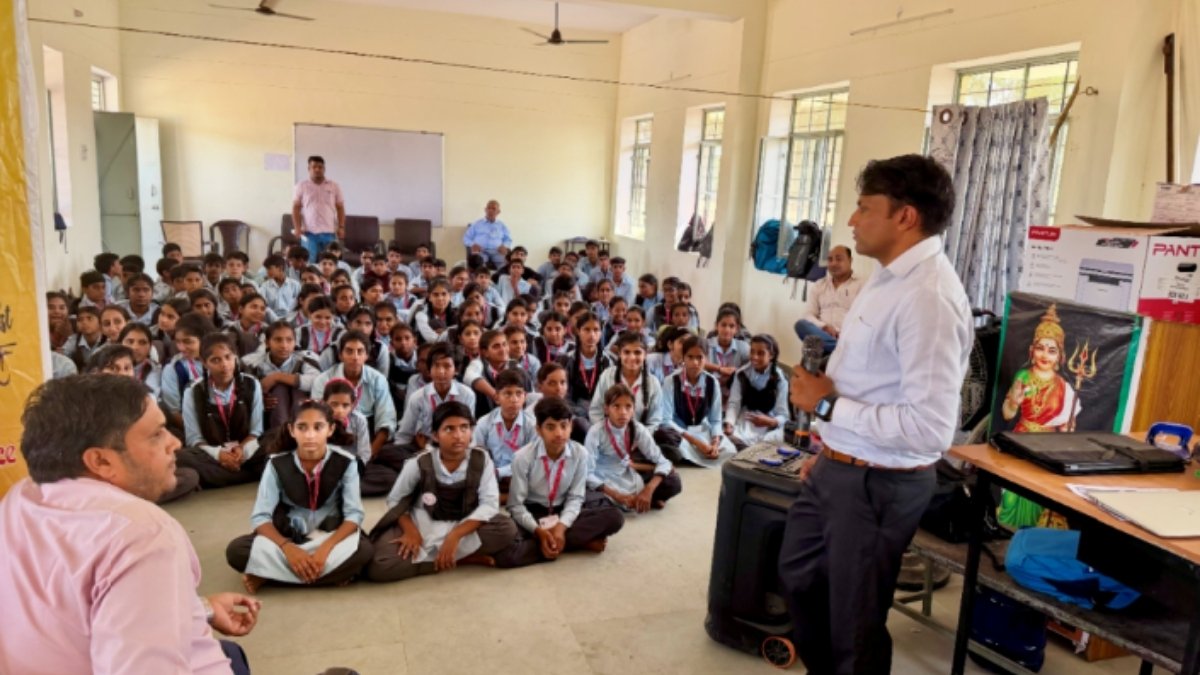
- Guest Lectures: Industry experts can visit campuses to deliver guest lectures, sharing real-world insights and career advice with students.
- Internships: Internship programs are a vital bridge between academia and industry. Students gain valuable hands-on experience while companies identify potential recruits and shape future talent.
- Joint Research and Development (R&D): Collaborative research projects bridge the gap between theoretical knowledge and practical applications. This can lead to groundbreaking innovations and benefit both institutions and companies.
The Path Forward:
For industry collaborations to reach their full potential, several factors need consideration:
- Strong Communication: Clear communication channels between institutions and industry partners are essential for success.
- Shared Vision: Both parties must have a clearly defined vision for the collaboration and work towards mutually beneficial outcomes.
- Faculty Development: Equipping faculty with industry-specific knowledge ensures they can effectively guide students towards success in the job market.
- Government Support: Government policies and incentives can facilitate collaboration and encourage greater industry participation.
Conclusion:
By fostering strong industry collaborations, Indian higher education institutions can bridge the skill gap and equip graduates with the knowledge and skills required to excel in the modern workforce. This collaborative approach fosters a win-win situation for both institutions and industry, ultimately contributing to India’s economic and social progress in the long run.
About IMS Ghaziabad (University Courses Campus):
IMS Ghaziabad (University Courses Campus), which is associated with the prestigious CCS University, Meerut, has a strong history of academic success. IMS Ghaziabad is one of India’s oldest and most reputable business schools, offering various undergraduate and postgraduate degrees. Students can pursue academic goals in subjects such as management (MIB, BBA), biotechnology (M.Sc. Biotechnology, B.Sc. [Hons.] Biotechnology, B.Sc. [Hons.] Microbiology), mass communication (BJMC), and computer applications (BCA).
The institute’s dedication to high-quality education is seen in its steady track record of producing University toppers.
If you have any objection to this press release content, kindly contact [email protected] to notify us. We will respond and rectify the situation in the next 24 hours.