
Focus on Experiential Learning, Innovation and Industry Readiness
Jais [Amethi], August 10: Rajiv Gandhi Institute of Petroleum Technology (RGIPT), an Institution of National Importance established under an Act of Parliament, organised its Orientation Programme 2026 at the Jais Campus on Saturday. Prof. Harish Hirani, Director, RGIPT, emphasised that contemporary technical education must move beyond conventional classroom teaching, examinations and grades. In an era when information and Artificial Intelligence tools are readily accessible, students must develop creativity, curiosity, independent thinking, problem-solving skills and the ability to apply knowledge to real-world challenges.
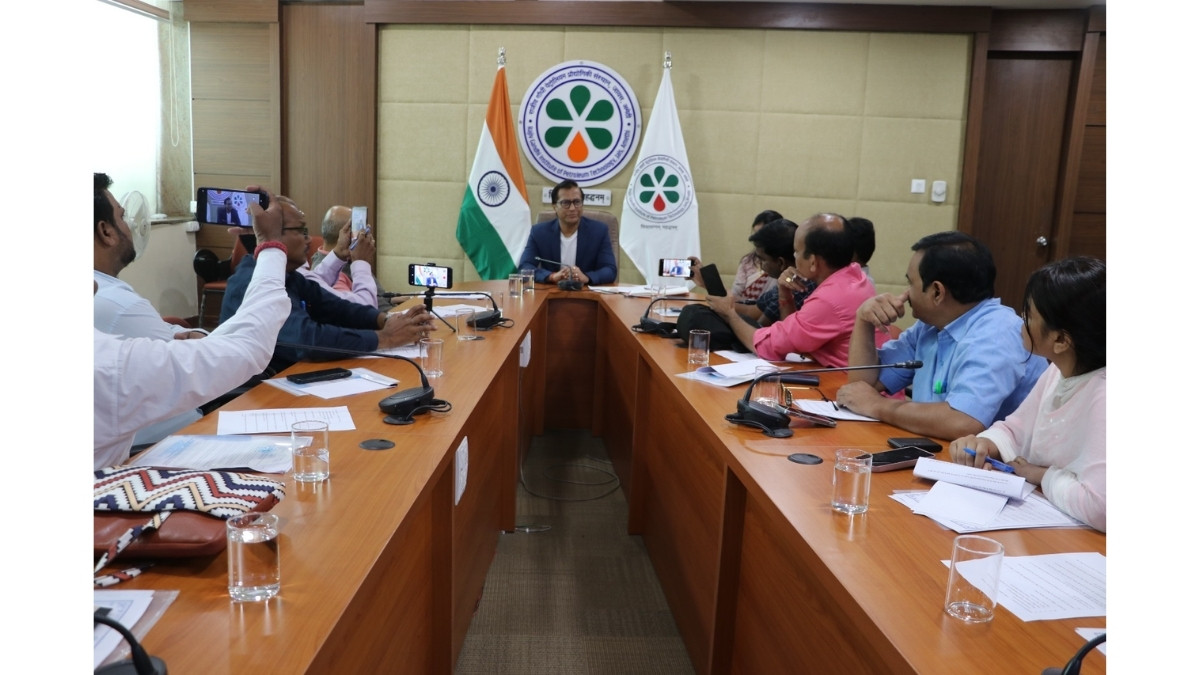
Highlighting RGIPT’s evolving academic model, Prof. Hirani said that the Institute is placing strong emphasis on experiential learning and industry exposure. Students are being encouraged to complement classroom education with internships, industrial training and practical problem-solving. Dedicated Training and Placement Officers have also been engaged to facilitate stronger interaction between students and industry. A major initiative highlighted during the programme was RGIPT’s strengthened mentorship ecosystem. Faculty members have been assigned groups of students to serve as mentors and local guardians, ensuring regular academic and personal interaction. The Institute is also introducing industry mentorship, connecting students with experienced professionals from leading organisations and public sector undertakings (PSUs), so that students receive first-hand guidance on career opportunities, emerging technologies and industry expectations.
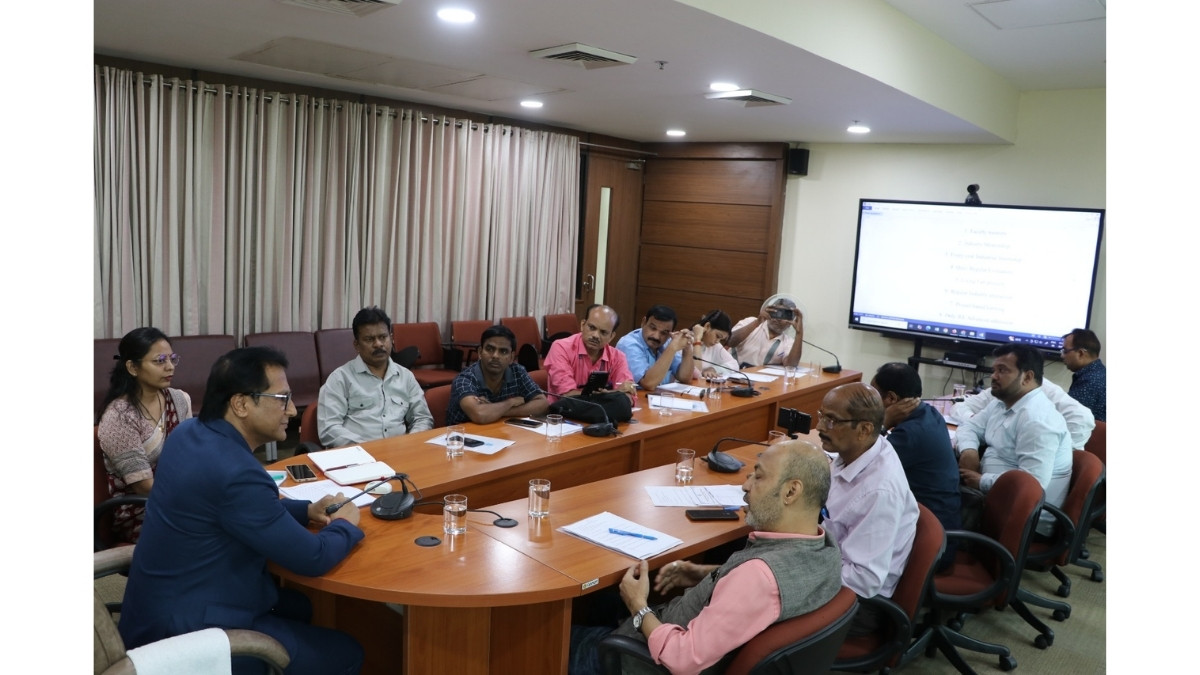
Innovation and entrepreneurship are another important component of RGIPT’s academic transformation. Students are being encouraged to identify real-life problems and develop solutions through Design and Innovation projects. Promising ideas receive institutional financial support and may subsequently progress through pre-incubation and incubation, creating a pathway from student ideas to prototypes, patents and start-ups. Undergraduate students are also encouraged and supported to undertake research, publish quality research work and pursue patents. Prof. Hirani also highlighted RGIPT’s expanding focus beyond conventional petroleum studies towards the broader energy-transition ecosystem, encompassing areas such as green hydrogen, biogas, renewable energy, waste-to-energy, biorefineries, carbon management, Artificial Intelligence and sustainable technologies.
The Institute’s campus itself is progressively being developed as a “Living Lab”, enabling students to learn from operational systems involving biogas, waste management, water treatment and reuse, renewable energy and sustainability. RGIPT’s campus biogas initiative has witnessed significant improvement through research and process optimisation, with gas generated from campus waste being utilised for cooking in the Institute mess. The Institute is also promoting interdisciplinary learning, allowing students to explore areas beyond traditional departmental boundaries and combine engineering, computing, electronics, energy and sustainability to address real-world problems.
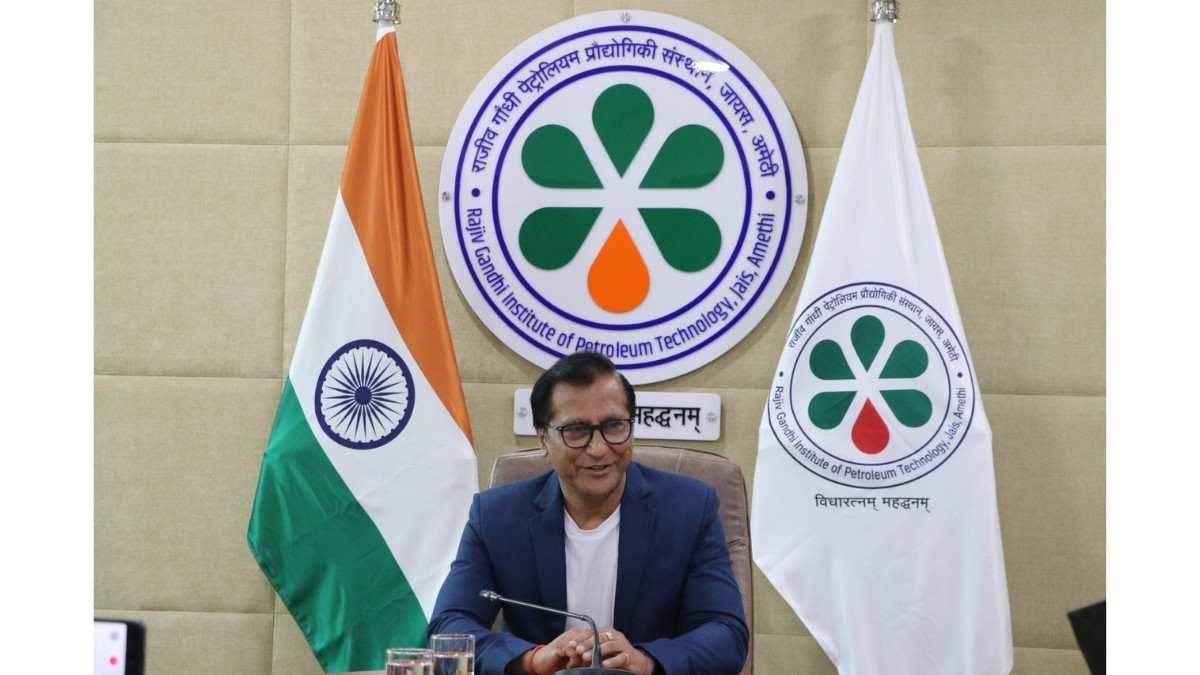
Welcoming the new students, Prof. Hirani encouraged them to remain open-minded, question established approaches and make full use of the Institute’s faculty expertise, industry linkages, research facilities and innovation ecosystem. The Orientation Programme reflected RGIPT’s vision of preparing students not merely for existing jobs, but for a rapidly changing future—by integrating knowledge with experience, education with industry, research with application, and ideas with innovation
If you object to the content of this press release, please notify us at [email protected]. We will respond and rectify the situation within 24 hours.