
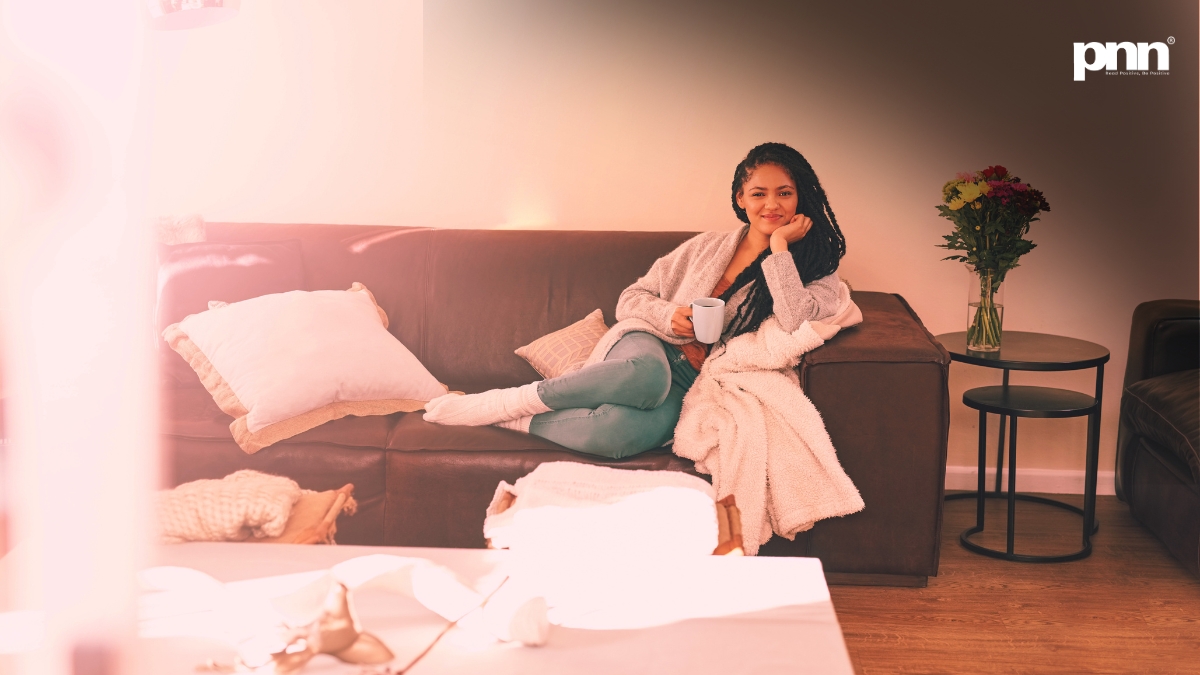
New Delhi [India], June 13: There was a time when being busy meant you were winning. Your calendar was packed from morning to night—meetings, dinners, networking, you name it. Saying you were “swamped” didn’t just earn sympathy; it made you look important. Free time felt like something for the lazy, and most people wore their exhaustion like a medal.
But things are shifting.
These days, it’s not always the busiest people who get all the envy. It’s the ones who vanish for a couple of hours, turn off their phones, spend an afternoon with a novel, or wander outside just because they feel like it. In a world where everything and everyone wants a piece of your time, open space in your day is suddenly precious. Not just rare, but a little bit glamorous.
This change didn’t come out of nowhere. Work, home, and entertainment blur together now. Our phones fill every spare second with pings and notifications—one more email, another video, another app slicing up what used to be downtime. We’re always reachable, but barely present for ourselves.
So we stay busy all the time, but we’ve more or less forgotten how to really be.
People used to see doing nothing as a negative. It sounded like you had no drive, or worse, no purpose. But psychologists keep saying what we secretly know: the brain sometimes needs a break to recover and get creative again. The best ideas? They show up when you’re zoning out on a bus, taking a shower, or just staring at the ceiling for a bit.
Quiet moments have always mattered. Most of us were just too distracted to notice.
Strangely, social media—once the engine of hustle culture—now glorifies slow mornings, gentle afternoons, and alone time. Videos of people making coffee with no rush, napping in sunlight, or wandering through a city without a plan attract millions of viewers. Chasing productivity got old. Now, people crave the ordinary and peaceful.
It’s not really about the activity.
It’s about giving yourself permission.
Permission to leave a few hours blank. To say no without inventing a story. To spend a whole Sunday lounging around and call it good enough.
We’re finally realizing that rest isn’t just recovery from endless work; it’s part of living well. Muscles need a break after lifting—so does your mind after a week of noise and light and endless scrolling. You need those quiet moments, not just for sanity, but for clarity and focus.
Now, of course, not everyone can clear their calendar on a whim. Plenty of people juggle jobs, kids, worries about money—free time is a luxury for them. But the point isn’t about having endless hours to kill. It’s about protecting the little bits of freedom you do get.
Maybe it’s an hour without notifications. A meal where your phone stays face down. A walk where you don’t check your steps. An evening just… open.
Tiny as they seem, these bits of open space add up to something that’s getting harder to find—room to think, to breathe.
There’s a twist, though. Now that “slow living” looks trendy, even rest can start to feel like a performance. All those picture-perfect routines and aesthetic notebooks turn downtime into just another competition.
But honestly, doing nothing works best when nobody’s watching.
You don’t need a photo, a post, or something you can tick off as “productive.”
It’s enough to just be.
That’s what makes unscheduled time such a big deal now. It doesn’t just show off your wealth, but something harder to get—a little control over where your attention goes.
In a world that survives on distraction, disconnecting is starting to look like real freedom.
Doing nothing isn’t wasted time.
It’s claiming a slice of your life and refusing to let everything else take it.
With the world always demanding, “What’s next?”—sometimes the most radical thing you can do is stop, sit down, and let nothing happen for a while.

 Divya Agarwal