 Divya Agarwal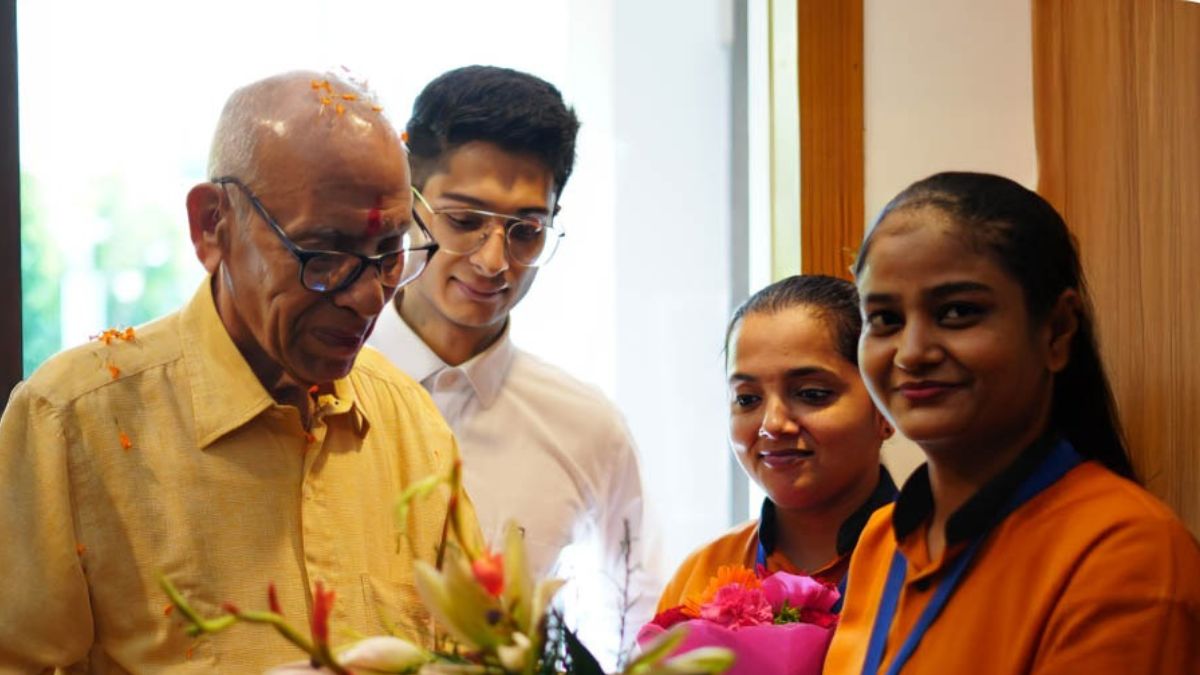
New Delhi [India], March 06: For generations, India’s social structure revolved around the joint family system, where multiple generations lived together and elders were naturally cared for within the household. In many homes, several family members managed domestic responsibilities while a smaller number worked outside to support the household financially. Elder care was never seen as a separate responsibility, it was simply part of daily life.
But India’s family structure is changing rapidly.
Over the past few decades, joint families have gradually shifted to nuclear families, especially in urban India. The next generation is witnessing an even more individualized lifestyle. Many young adults today prefer independent living, single-person households, or flexible relationships that allow financial and geographic mobility.
Yesterday’s greed has become today’s need. Rising living costs, demanding careers, and global aspirations mean that in most households both partners must work long hours to maintain financial stability. At the same time, modern social life- shaped by social media, travel, entertainment, and experiences- requires significant time and attention.
As a result, the time and focus available for taking care of elderly parents at home has steadily reduced.
Many seniors today experience loneliness, even while living within their families. Some turn to digital platforms such as NEMA Club+, where they can find engagement, companionship, and emotional support. Short conversations during busy days rarely provide the meaningful companionship elders once enjoyed. Differences in lifestyle, technology, and worldview between generations can also make everyday interactions more difficult.
There is another reality that society rarely discusses openly. Financial independence often determines whether seniors can comfortably remain within family homes. Where elders have savings or inheritance to pass on, families may feel a stronger sense of responsibility. But where financial security is limited, the situation can become more complex.
These social shifts are gradually reshaping how India thinks about elder care, retirement living, and senior care solutions. For decades, old age homes in India carried a negative image. They were often perceived as dilapidated institutions run by governments or charities, meant only for those abandoned by their families.
But that perception is changing fast.
Across India, organisations like NEMA Elderare are building a new generation of private senior living communities and modern old age homes designed for dignity, comfort, and companionship. These residential communities operate on a monthly living model and provide structured environments specifically designed for seniors.
Residents typically receive nutritious meals, housekeeping, laundry services, organised activities, and regular healthcare monitoring. More importantly, they live among people of similar age groups, allowing them to build friendships and stay socially active.
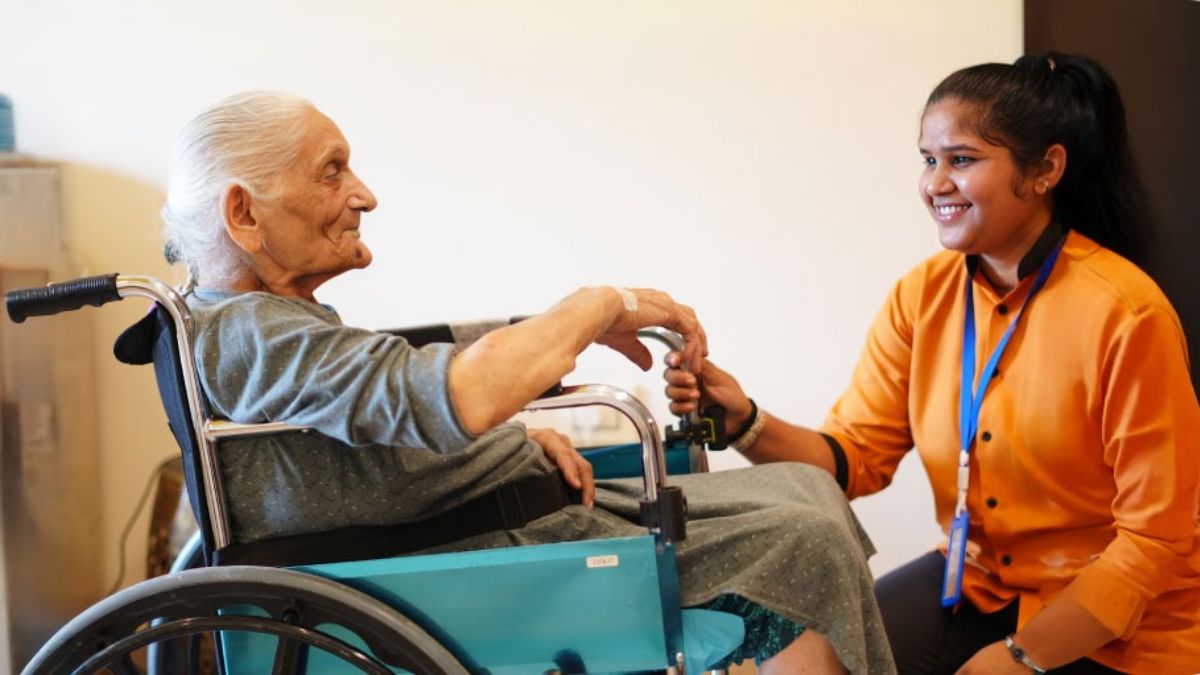
For many seniors, such environments offer something that busy urban homes often cannot provide, daily companionship and community life. Increasingly, families see these communities not as places of abandonment but as thoughtful lifestyle choices. Children can proudly say that their parents live in a well-managed senior living community such as NEMA, where the environment, activities, food, and healthcare support are difficult to replicate in a typical household.
Importantly, families willingly pay for such arrangements. It is not abandonment, it is a conscious decision to ensure that parents live with dignity, safety, and companionship. Modern senior living communities also offer something traditional homes often struggle to provide: continuity of care.
Many seniors initially move into these communities while they are still independent and active. However, as age progresses, some may require assisted living, dementia care, or support for chronic illnesses. In structured ecosystems like NEMA, seniors can transition to facilities better suited to their evolving health needs.
In other words, while the living environment may change, care continues through every stage of ageing. This creates a long-term support system where seniors are cared for throughout their later years, something that even well-meaning families often find difficult to guarantee in today’s demanding lifestyles.
India will always remain deeply rooted in family values. But as family structures evolve and modern life becomes increasingly demanding, new models of senior living, assisted living, and retirement communities in India are naturally emerging.
Rather than replacing family care, these communities represent a practical way of preserving dignity, companionship, and quality of life for seniors in a rapidly changing society.
If you object to the content of this press release, please notify us at [email protected]. We will respond and rectify the situation within 24 hours.