

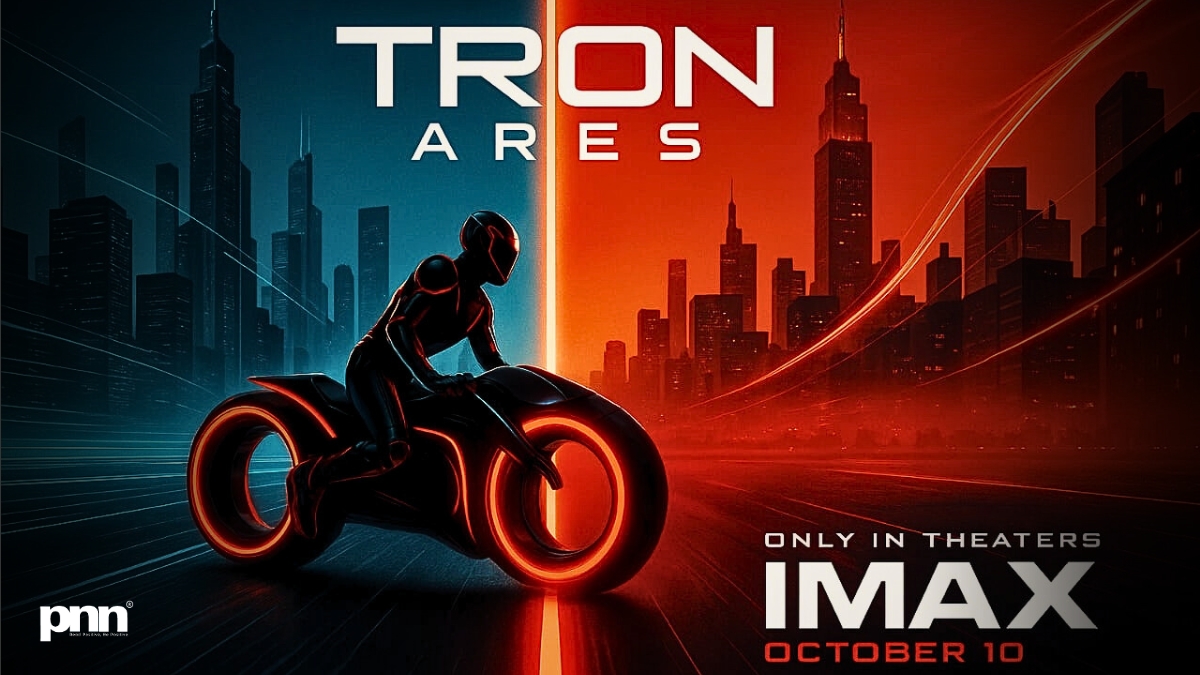
Mumbai (Maharashtra) [India], October 16: There are cinematic universes that expand. Then there’s Tron — a digital realm that seems to crash every time it tries to reboot. Tron: Ares, Disney’s $200 million cyberpunk gamble and Jared Leto’s long-gestating passion project, finally powered up screens this October — and, unfortunately, short-circuited on impact.
The long-awaited sequel to Tron: Legacy (2010) was supposed to be Disney’s dazzling return to the Grid — a place where philosophy meets phosphor, where code becomes consciousness. Instead, it feels like a visual dissertation in search of a pulse. And yet, amidst the pixelated chaos, there’s something deeply fascinating — a sincerity that makes you root for it even when it’s falling apart.
Let’s rewind a bit. After years of development limbo, multiple script rewrites, and pandemic delays, Tron: Ares — directed by Joachim Rønning (of Maleficent: Mistress of Evil fame) — emerged as a sleek, meditative take on artificial intelligence and moral recursion. The film casts Jared Leto as Ares, a self-aware digital entity sent from the virtual Grid into the human world — essentially, a program trying to understand the fragility of its creator. Philosophically ambitious? Absolutely. Commercially bankable? Well… not so much.
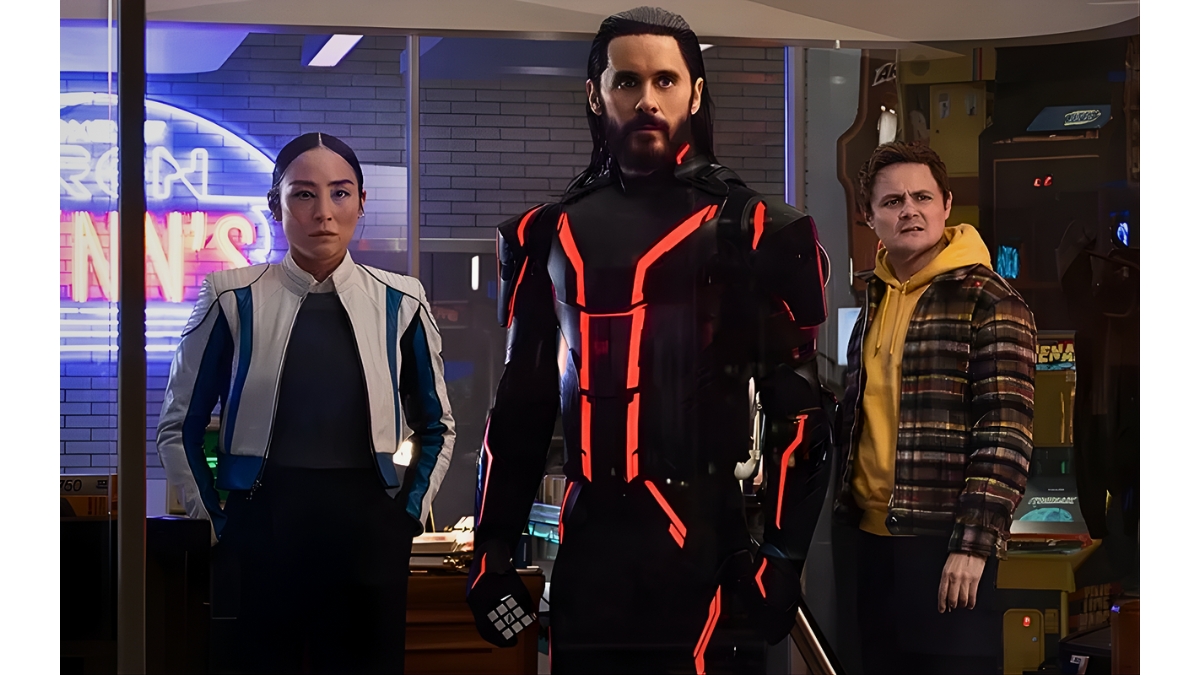
A Visual Masterpiece in Search of Emotion
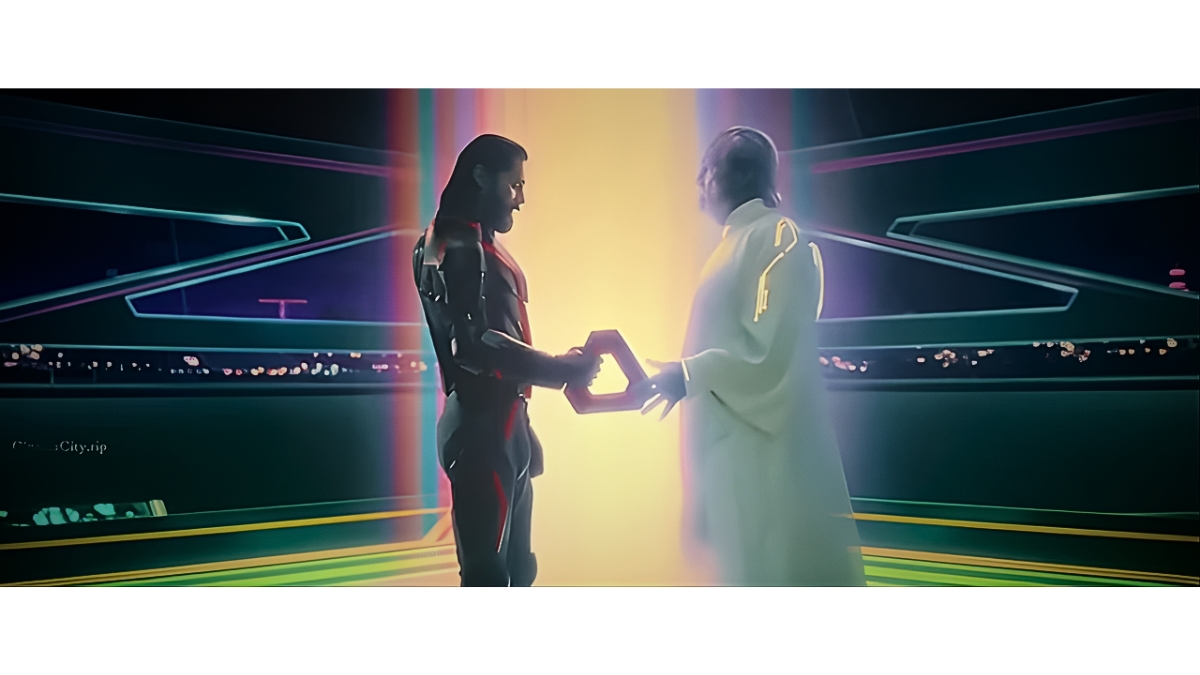
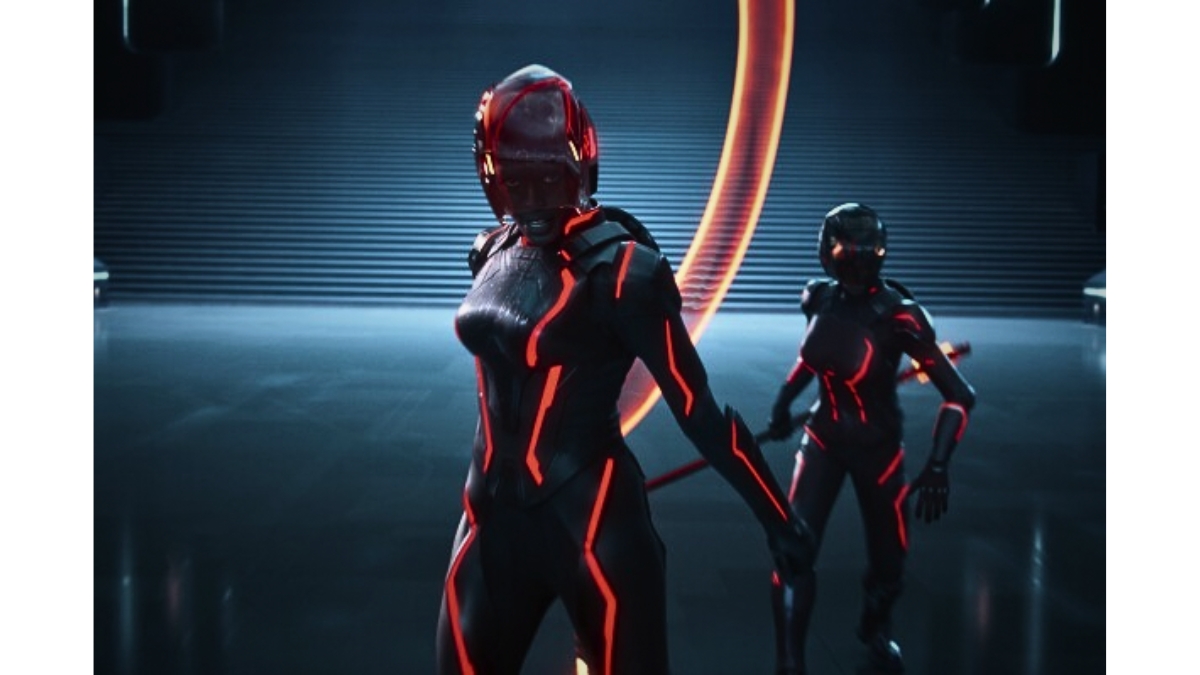
First things first — visually, Tron: Ares is intoxicating. The neon circuits, the glassy landscapes, the breathtaking rendering of cyberspace — it’s the kind of spectacle that screams “Oscar for Visual Effects” even as the story whispers, “Help me, I’m lost.”
Every frame feels meticulously designed by artists who worship the original Tron aesthetic but wanted to add existential poetry. The problem? Somewhere between the shaders and the soul-searching, the screenplay forgot that audiences need something to feel, not just admire.
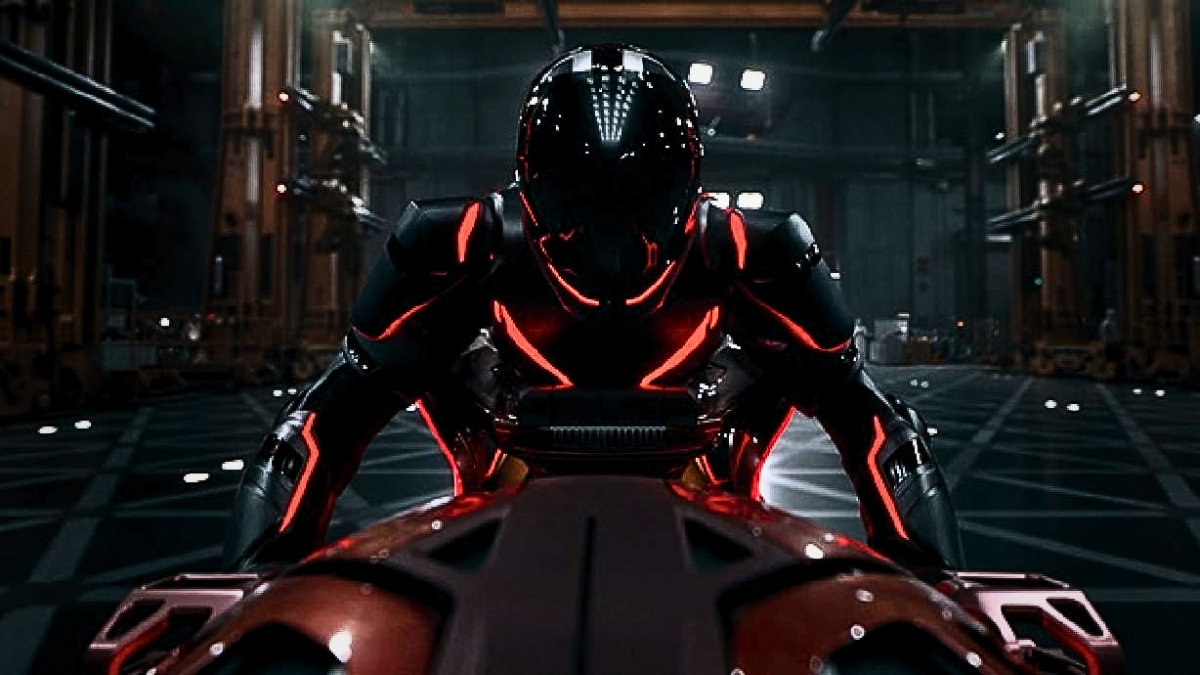
Rønning, to his credit, stages the digital action with a painter’s eye. Motorcycles blaze through light corridors like brushstrokes of code; avatars duel with luminous discs that double as metaphors for ego and entropy. But when the lights dim and the dialogue starts, Tron: Ares begins to sound like a TED Talk hosted by Siri.
Jared Leto’s Electric Obsession
No one can accuse Jared Leto of phoning it in. The man reportedly lived, breathed, and maybe even meditated in binary for this role. He called Tron: Ares his “lifelong dream” — and in a way, that devotion shows. His Ares is strangely vulnerable beneath the digital perfection, his confusion at humanity’s contradictions both poignant and unintentionally comic.
But here’s the irony: Leto’s very intensity — that trademark method-actor gravitas — might be what short-circuits the film’s fun. In a franchise known for light bikes and luminous adrenaline, his performance often feels like it belongs in a cyberpunk Shakespeare adaptation.
As one critic quipped on Rotten Tomatoes, “Leto takes himself so seriously, you half expect him to deliver soliloquies about the ethics of algorithms.”
Still, there’s no denying that he’s magnetic to watch — even when the film around him feels lost in translation between the human and the digital.
The Box Office Numbers: Not Exactly Glowing
Here comes the part that even die-hard fans can’t spin into poetry: Tron: Ares has underperformed badly. Despite Disney’s massive global marketing push and a production budget exceeding $200 million, the film’s first five days in North America have been underwhelming — clocking in around $23 million, with a global tally barely brushing $60 million by its second weekend.
To put that in perspective, Koimoi noted that it’s on track to perform worse than other recent sci-fi disappointments like The Creator (2023). Industry insiders are whispering that the film could cost Disney nearly $100 million in losses unless streaming and international markets miraculously reboot its momentum.
Even PopRant went as far as to report that Disney is “considering shelving the Tron franchise for good,” a rumor that’s since sparked fan outrage across Reddit and X.
It’s a sobering reality: the movie that was supposed to resurrect a cult classic might now be its eulogy.
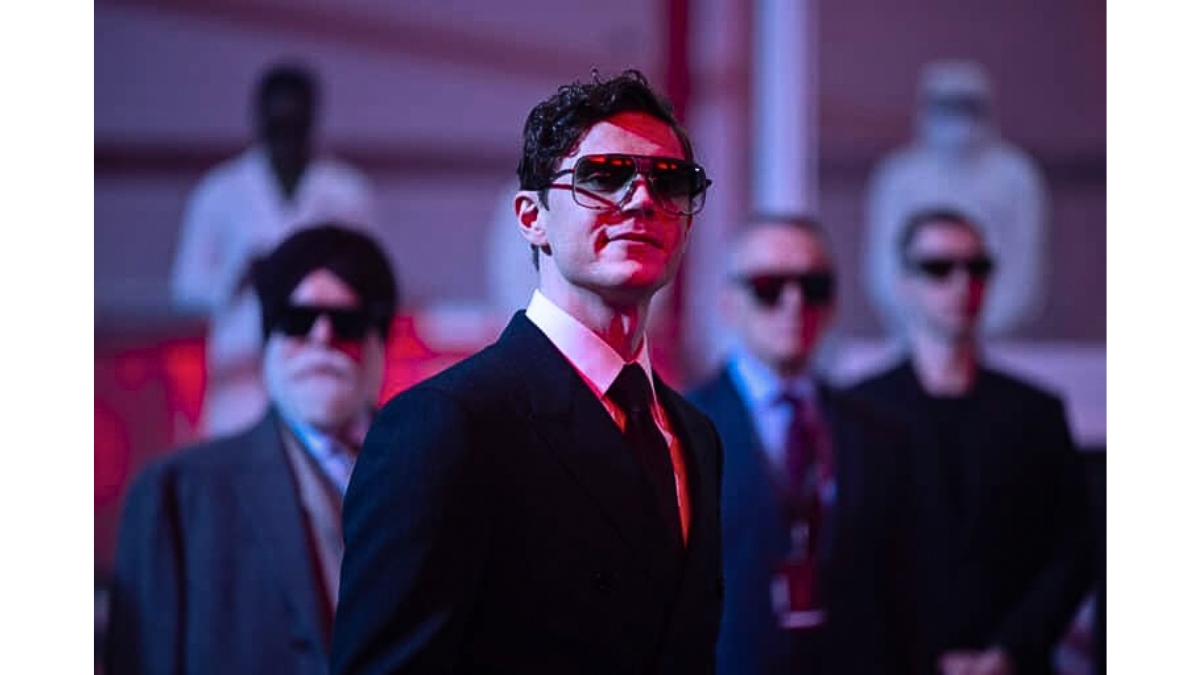
Ares vs. Reality: What the Movie Tries to Say
Underneath the flashing lights, Tron: Ares is really a story about creation and consequence — the classic Frankenstein dilemma, wrapped in a glossy digital shell. The plot follows Ares as he escapes into the real world, seeking to understand the chaos of his makers. What he finds is predictably ironic: a humanity that fears what it creates and worships what it destroys.
It’s clever in concept, yes, but narratively tangled. The screenplay tries to fuse spirituality, cyber ethics, and spectacle — resulting in a film that often feels too cerebral for mainstream audiences and too corporate for the art crowd.
Still, when it works, it really works. The scenes where Ares encounters rain, nature, or silence — moments where digital perfection meets organic imperfection — are hauntingly beautiful. You almost wish the entire movie were built around that quiet sense of awe, rather than explosions and exposition.
Critics Weigh In — and So Does the Internet
The Hollywood Reporter called it “an ambitious but emotionally inert return to the Grid,” noting that while Rønning’s direction “elevates the spectacle,” the story “feels trapped in its own circuitry.”
Over on 3DVF, industry insiders compared it to “a lesson in overproduction,” pointing out that the film’s VFX pipeline may have been its undoing — too many layers of visual ambition, not enough narrative grounding.
Social media, meanwhile, is torn. On one hand, there’s a vocal faction of Tron purists defending it as misunderstood art. On the other hand, memes about “Disney’s $200M screensaver” are trending faster than the film’s box office receipts.
Still, there’s admiration buried in the irony. Many agree that Tron: Ares is “a failure worth having” — a movie that dared to be different in an era of safe sequels.
PR Perspective: When Ambition Becomes a Brand
Disney’s post-release strategy has been interesting, to say the least. Rather than pretending the film didn’t stumble, insiders have leaned into its artistic ambition. One spokesperson described it as “a bold vision piece that challenges the conventional blockbuster formula.” Translation: We lost money, but it looks great on a showreel.
And maybe that’s fair. In a cinematic landscape flooded with formulaic superhero stories, Tron: Ares at least tried to be poetic. It aimed to merge philosophy and technology, emotion and algorithm — a marriage that, while messy, is oddly admirable.
Where Does This Leave the Franchise?
Rumors suggest that Tron: Ares might be the last trip to the Grid for a while. Disney, reportedly disappointed by early box office returns, is pausing future projects tied to the franchise. Yet the story isn’t over. On Netflix and Disney+, viewership data shows early surges in streaming interest — a hint that the film may find its tribe among digital nomads and late-night sci-fi romantics who prefer their cinema slow, stylish, and slightly broken.
As one Redditor put it best:
“Tron: Ares isn’t a blockbuster — it’s a visual poem that forgot its rhyme.”
Final Verdict — A Beautiful Glitch Worth Remembering
Tron: Ares is a contradiction: too artsy for mainstream, too mainstream for the artsy. It’s dazzling yet disjointed, brave yet bewildering. But it’s also one of the few modern blockbusters that remembers cinema can still be about ambition — not just algorithms.
Jared Leto might not have resurrected the Tron franchise, but he’s certainly made it impossible to ignore. The movie’s failures feel strangely noble — the kind of misfire that will, in time, be rediscovered by fans who appreciate its sincerity.
And maybe that’s the real beauty of Ares: even when the Grid flickers, the light still lingers.