
New Delhi [India], July 14: When a machine weighing over 100 tons falls from the sky, no explanation ever feels enough. But after Air India Boeing Flight AI171 went down in Ahmedabad, killing about 260 souls, the cause wasn’t some arcane systems failure or weather anomaly. It was a pair of switches. Fuel control switches. Moved from “run” to “cutoff” – moments before both engines died.
This week, India’s aviation guardian, the Directorate General of Civil Aviation (DGCA), stopped waiting for global consensus. It ordered mandatory inspections of fuel switches on all Boeing 737 and 787 aircraft operated by Indian airlines. No more advisory loopholes. No more “wait for FAA approval.” Just action.
Safety Doesn’t Wait for Permission Slips
Yes, Boeing insists everything’s safe. The Federal Aviation Administration (FAA) says there’s no cause for concern. But after AI171, “trust us” isn’t enough – and DGCA clearly agrees.
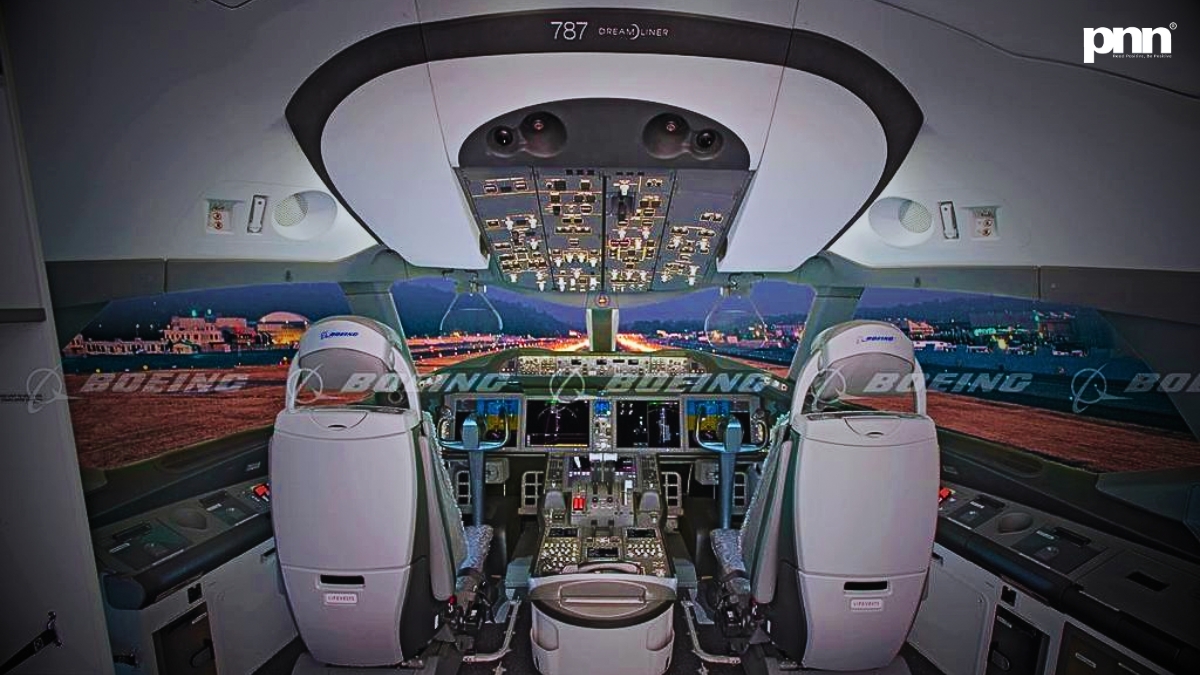
It’s not that these switches are new tech. They sit just below the thrust levers – quiet but critical. Flip them to “cutoff,” and fuel to the engine stops. Full shutdown. These switches are supposed to be protected by guards and locks. But after the crash, it’s clear that whatever was meant to prevent accidental movement… didn’t.
And guess what? The FAA had warned about this back in 2018 – a bulletin flagged the disengagement risk of fuel switch locks. But like so many warnings in aviation, it came with a soft caveat: “advisory, not mandatory.” That phrasing, it seems, is what kept Air India from acting on it. So here we are. Too late for 260+ lives, but maybe just in time for everyone else.
Airlines React – Finally
Over the weekend, Air India began inspections across its fleet of 737s and 787 Dreamliners. No faults yet, they say. But the timing is telling. The checks didn’t start after the FAA raised alarms, or even after the crash – they began after media reports highlighted what was missed.
Other airlines – Etihad, Singapore Airlines – have followed suit. Quietly. No headlines. But clearly, there’s concern. Let’s be blunt. The idea that a pilot could inadvertently flip a switch that kills both engines – and that the locks meant to stop that might “disengage” – isn’t just a technical detail. It’s a design flaw masquerading as a minor risk.
The Tragedy of AI171: A Symptom of Systemic Complacency?
Here’s what we know from the preliminary crash report:
- Just before takeoff, fuel control switches were flipped to cutoff.
- Both engines shut down.
- Air India had previously replaced the throttle control module in 2019 and again in 2023 – yet somehow, this hazard remained.
The fact that the throttle and fuel switches are integrated in newer Boeing models – part of the same control quadrant – only complicates things. You change one component and inherit another. But does replacing hardware fix the underlying danger of unclear cockpit design?
India’s regulators seem to understand that design and user interface in a high-pressure cockpit isn’t a luxury concern – it’s a life-or-death factor.
DGCA Steps Out of the Shadow of Boeing’s Umbrella
The real story here isn’t just mechanical. It’s regulatory confidence. For decades, countries – India included – have deferred to FAA standards when it comes to Boeing aircraft. The logic was simple: they built the jet, they set the rules.
But now? The DGCA is making it clear: we’ll chart our own flight path when it comes to safety. FAA bulletins can be “advisory.” Indian lives are not.
And for once, India’s aviation regulator isn’t playing catch-up – it’s taking the lead.
Closing Thought: The Lock Wasn’t Just on the Switch
It was on a mindset. A reliance on international norms. A hesitancy to act until someone else raises the flag. That lock just got broken.
Let’s hope this new urgency isn’t a temporary reaction, but a long-term shift in how India governs its skies. Because no country that builds rockets to the Moon should need someone else to tell it how to keep a plane in the air.