

Surat (Gujarat) [India], December 17: There is some good news for the country’s tens of thousands of frontline sanitation workers. For the first time, a student from Surat’s Institute of Design and Technology (IDT) won the national innovation challenge by creating user-friendly personal protective equipment (PPE) for female sanitation workers to improve their working conditions during Covid-19.
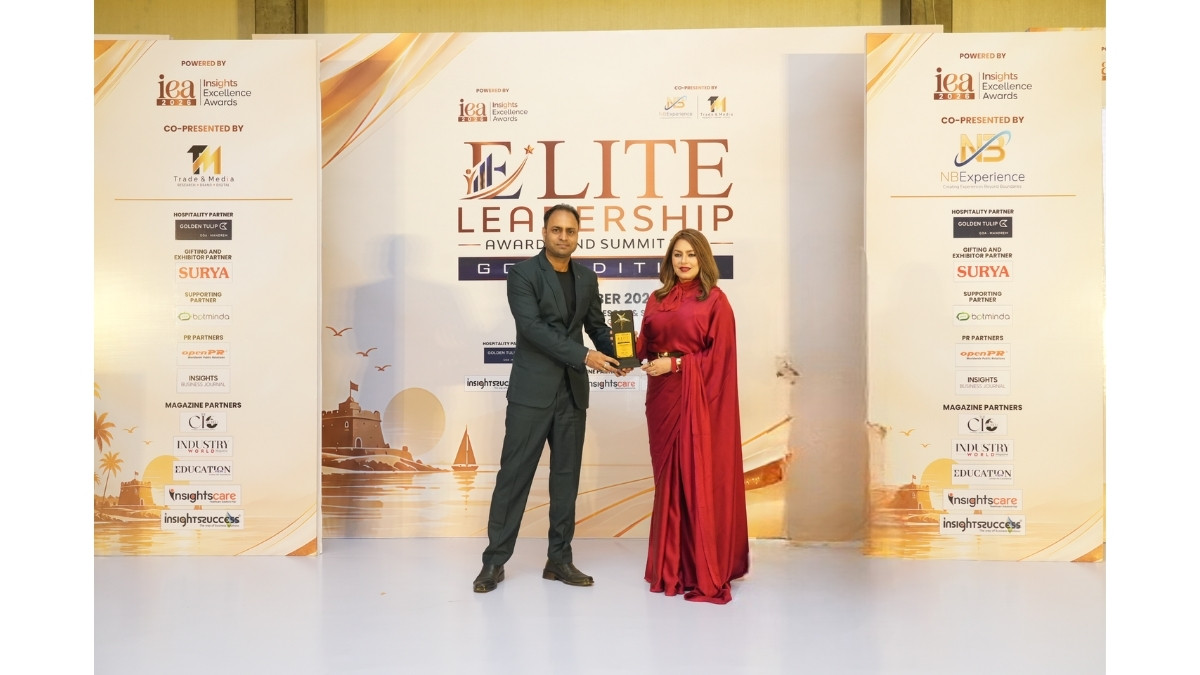
Meenu Agarwal, an IDT student, won Rs. 25000 prize for her innovative design of a PPE kit for female sanitation workers at the national Design Innovation Challenge organised by the Bangaluru-based Collective Good Foundation (CGF).
The design innovation challenge centred on creating personal protective equipment that meets the needs and preferences of female sanitation workers while also increasing their productivity and comfort.

IDT students took up the challenge and surveyed the female sanitation workers employed in the Surat Municipal Corporation (SMC). She met scores of sanitation workers to gauge the problems faced by them while working with the personal protective equipment provided to them and their drawbacks. After many rounds of interviews and field visits, the work started on designing the PPE and choosing the right fabric.
When designing the PPE, special consideration was given to the medical and general issues that females face. The actual fabric was used to create prototypes that focused on the comfort and protection of female sanitation workers.
Out of many innovators from across the country, two teams from the Surat-based IDT qualified as one of the top six finalists in the national innovation challenge, guided and mentored by Aarushi Upreti, an IDT faculty member.
Ankita Goyal, Director of IDT India and Fashionova Designs, said, “It a very proud moment for us at IDT that our student has won the national challenge of designing user-friendly personal protective equipment for female sanitation workers in the country. Meenu Agarwal has done a fantastic job by winning the challenge and doing a great social service to the nation.”
“At IDT, we are constantly striving to foster creativity and design challenges like this, paving the way for their notable success.” This recognition has instilled a sense of pride in us and has greatly motivated us to provide new avenues for our students to learn and excel.”